

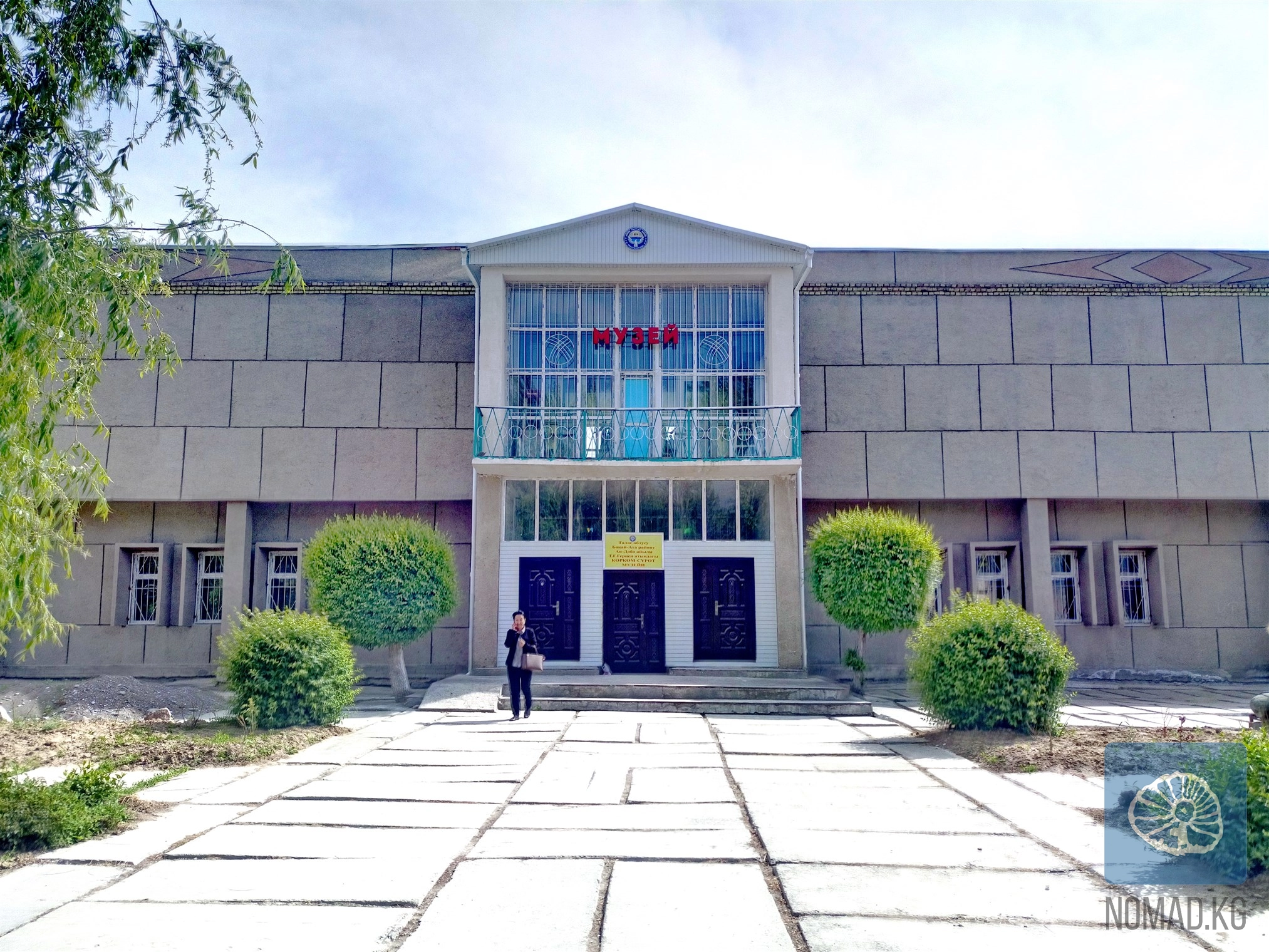
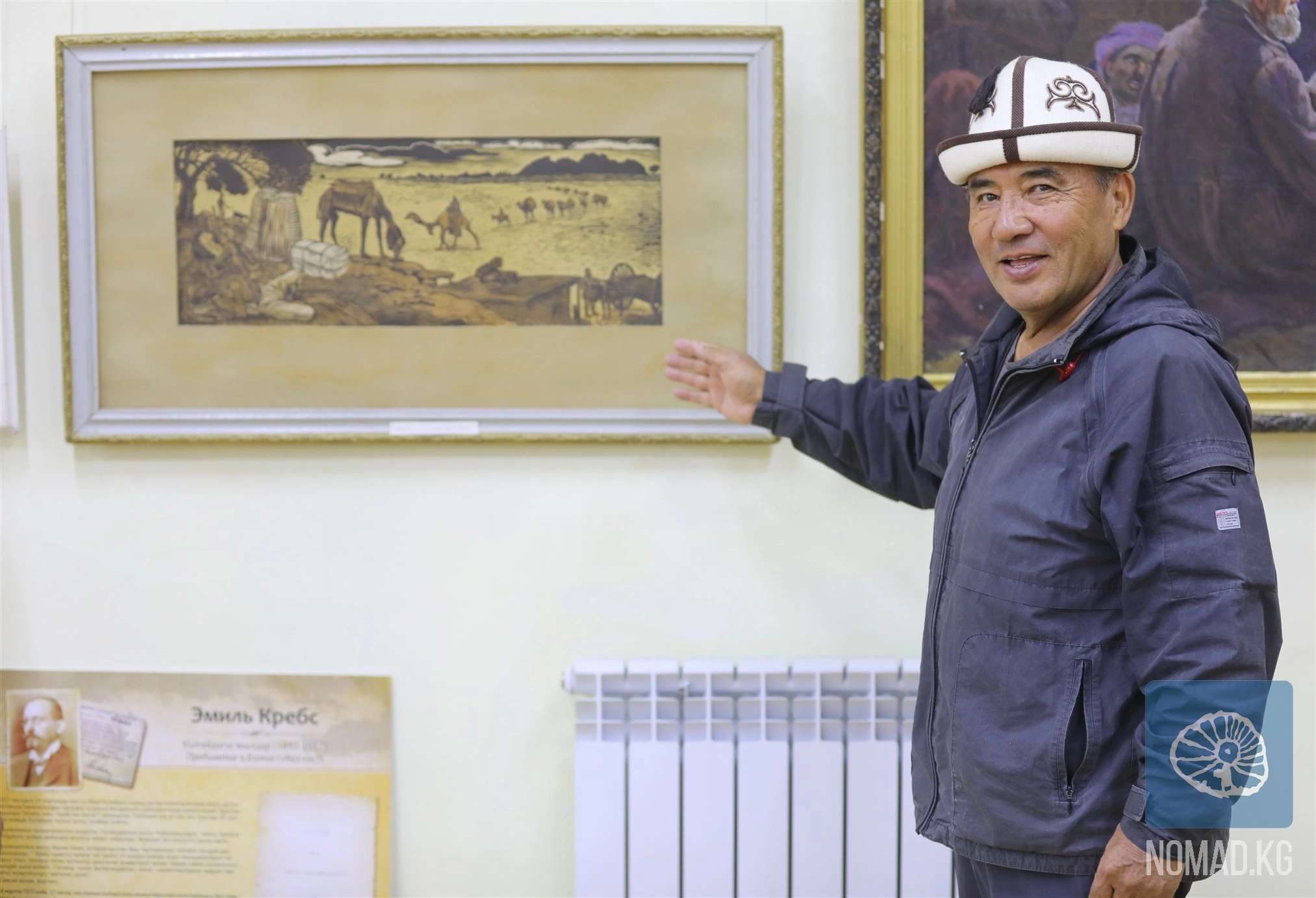
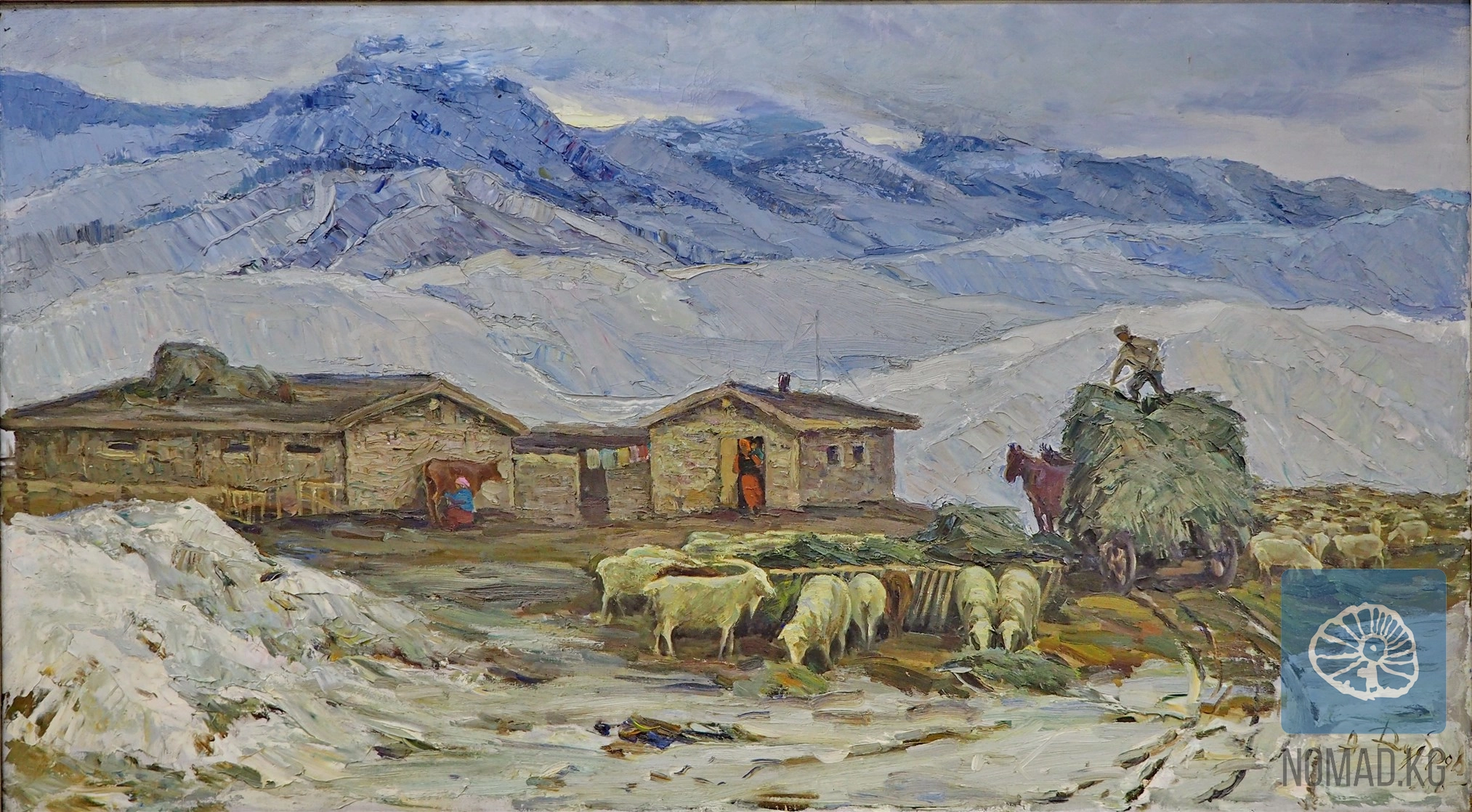
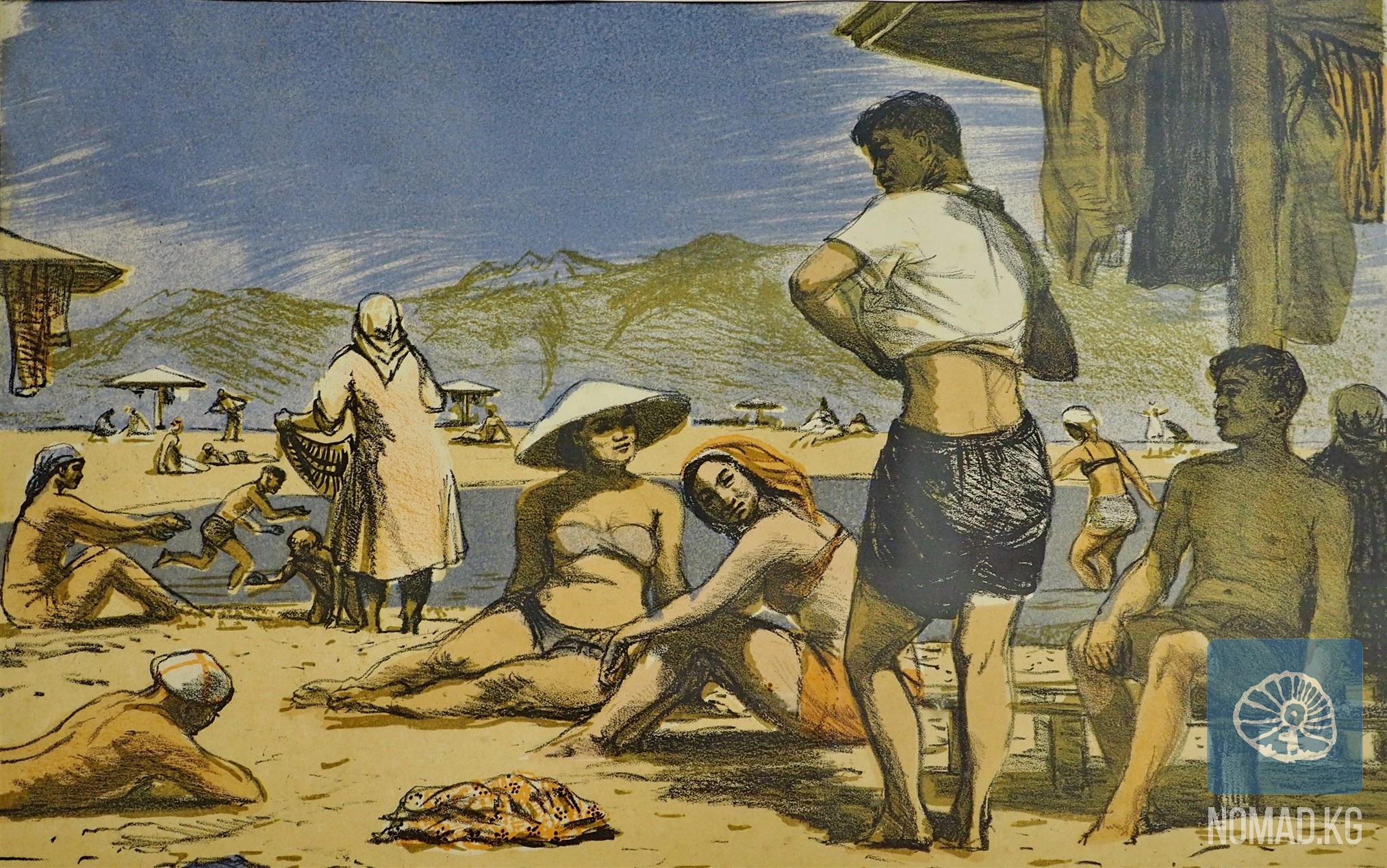
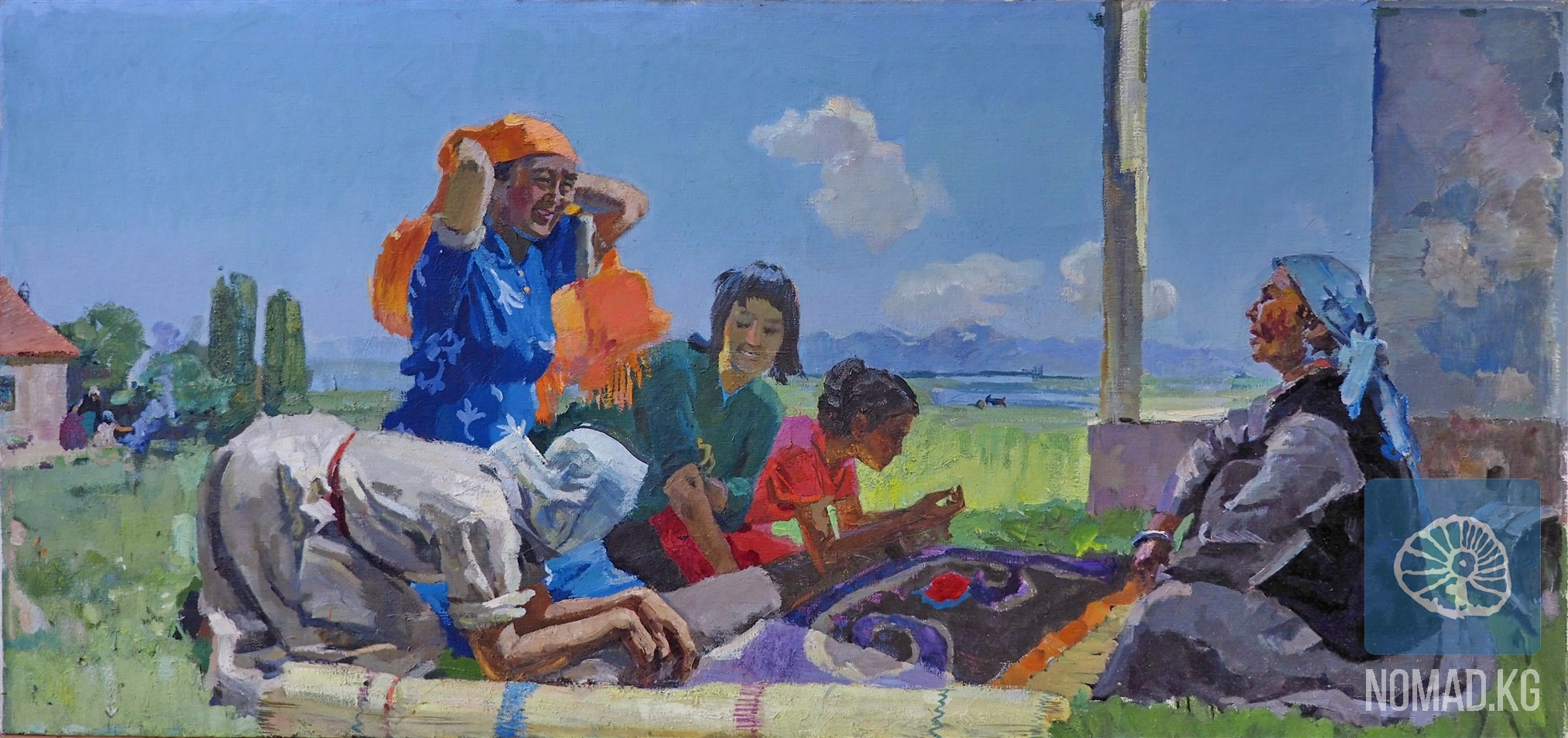
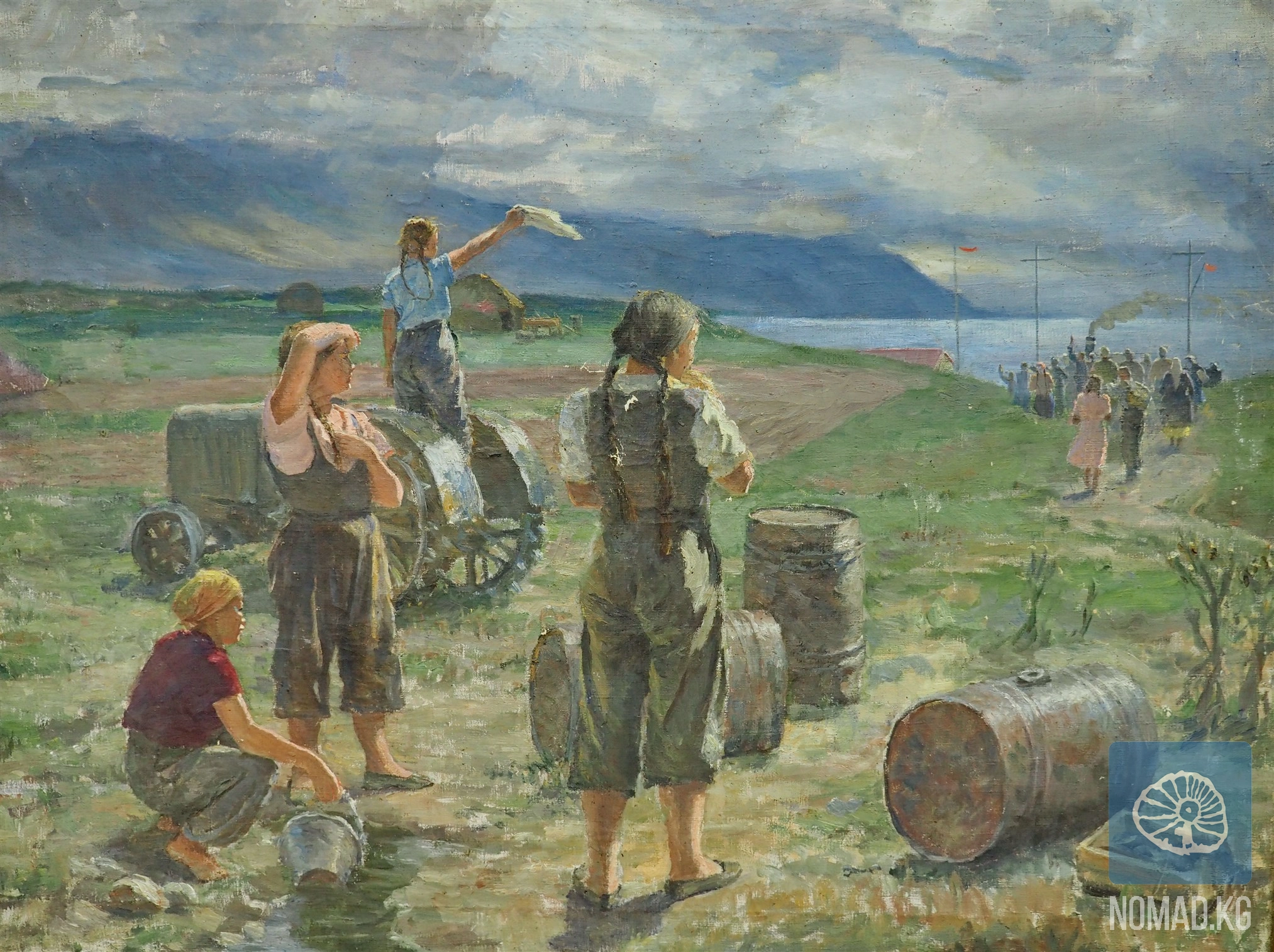
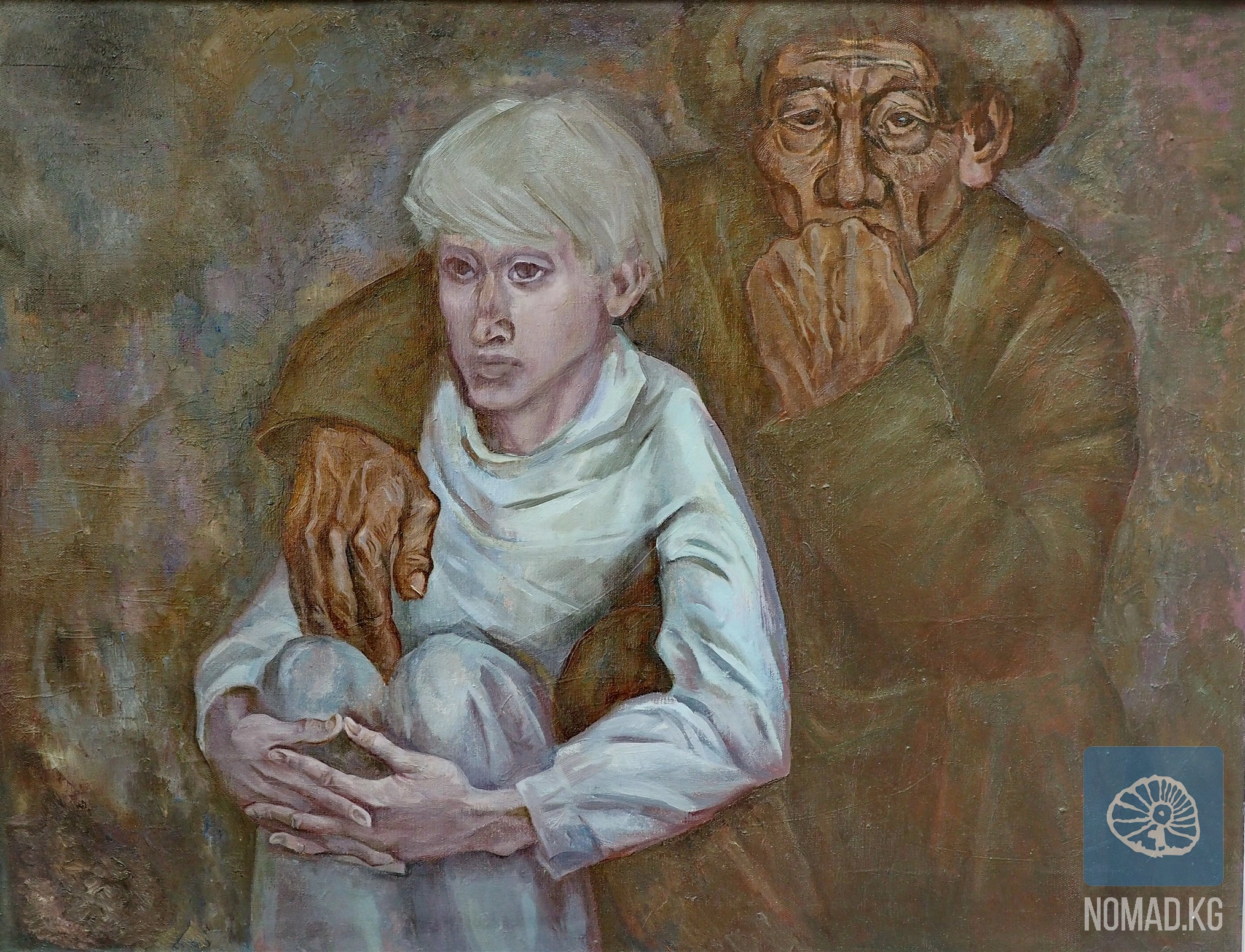
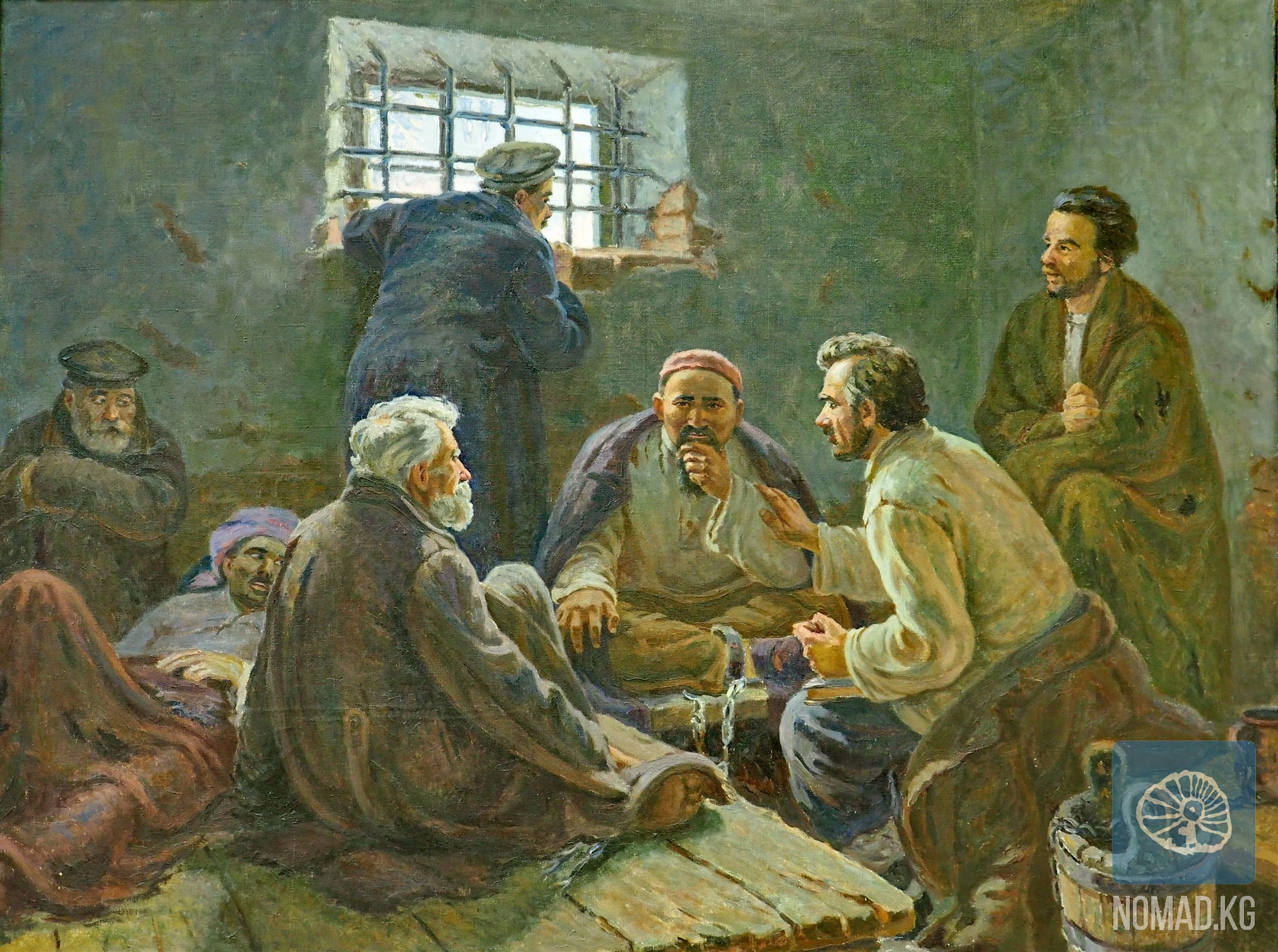
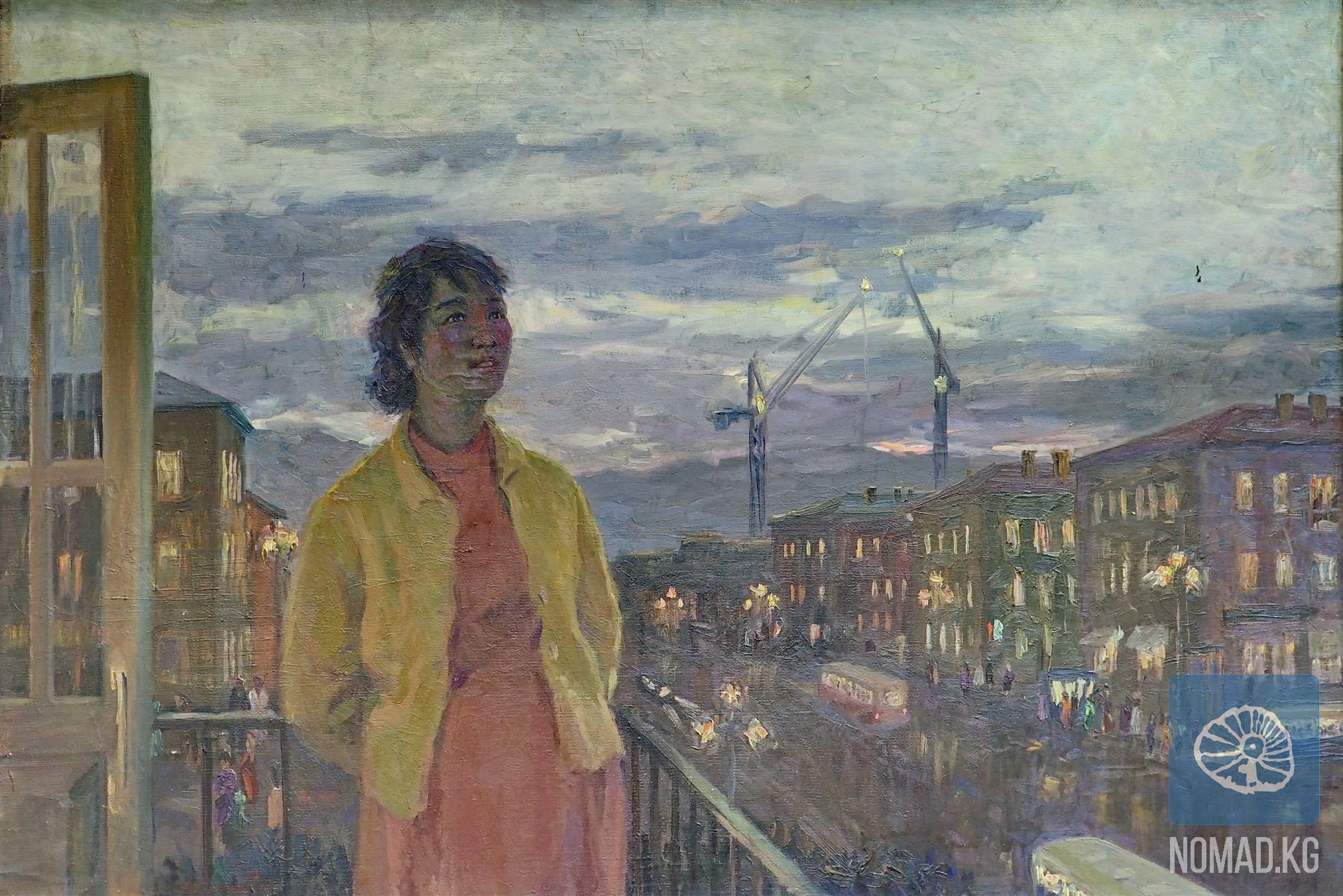
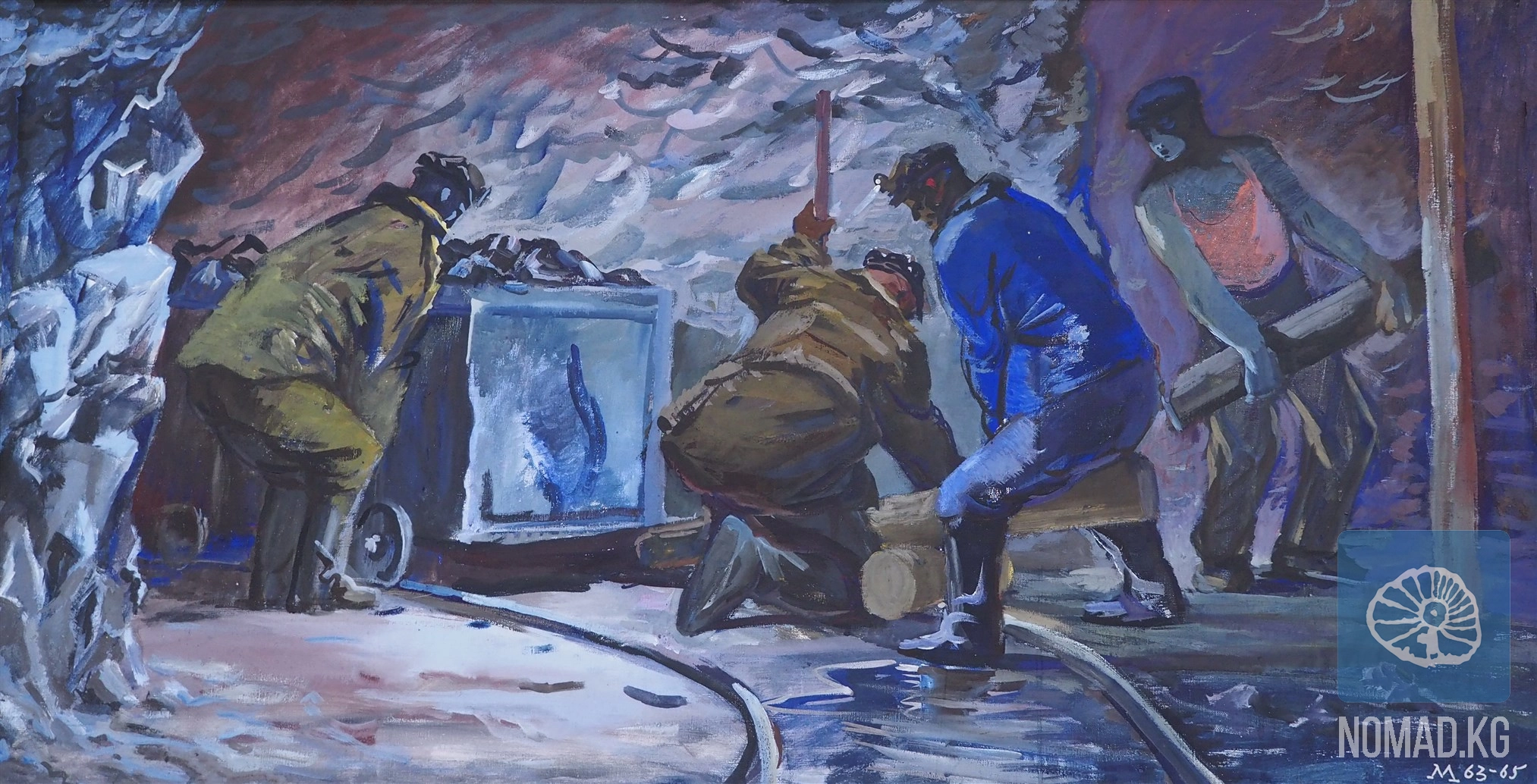
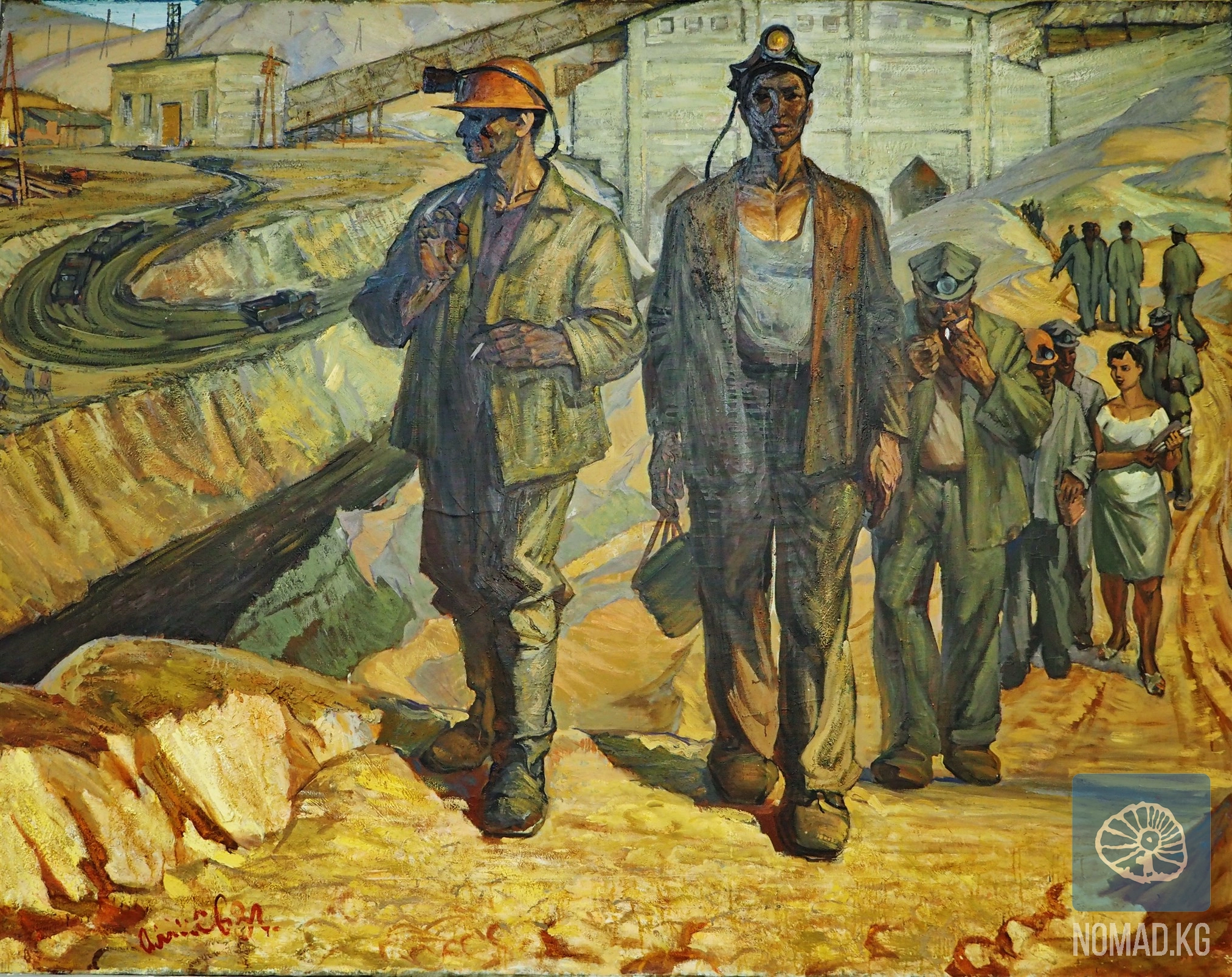
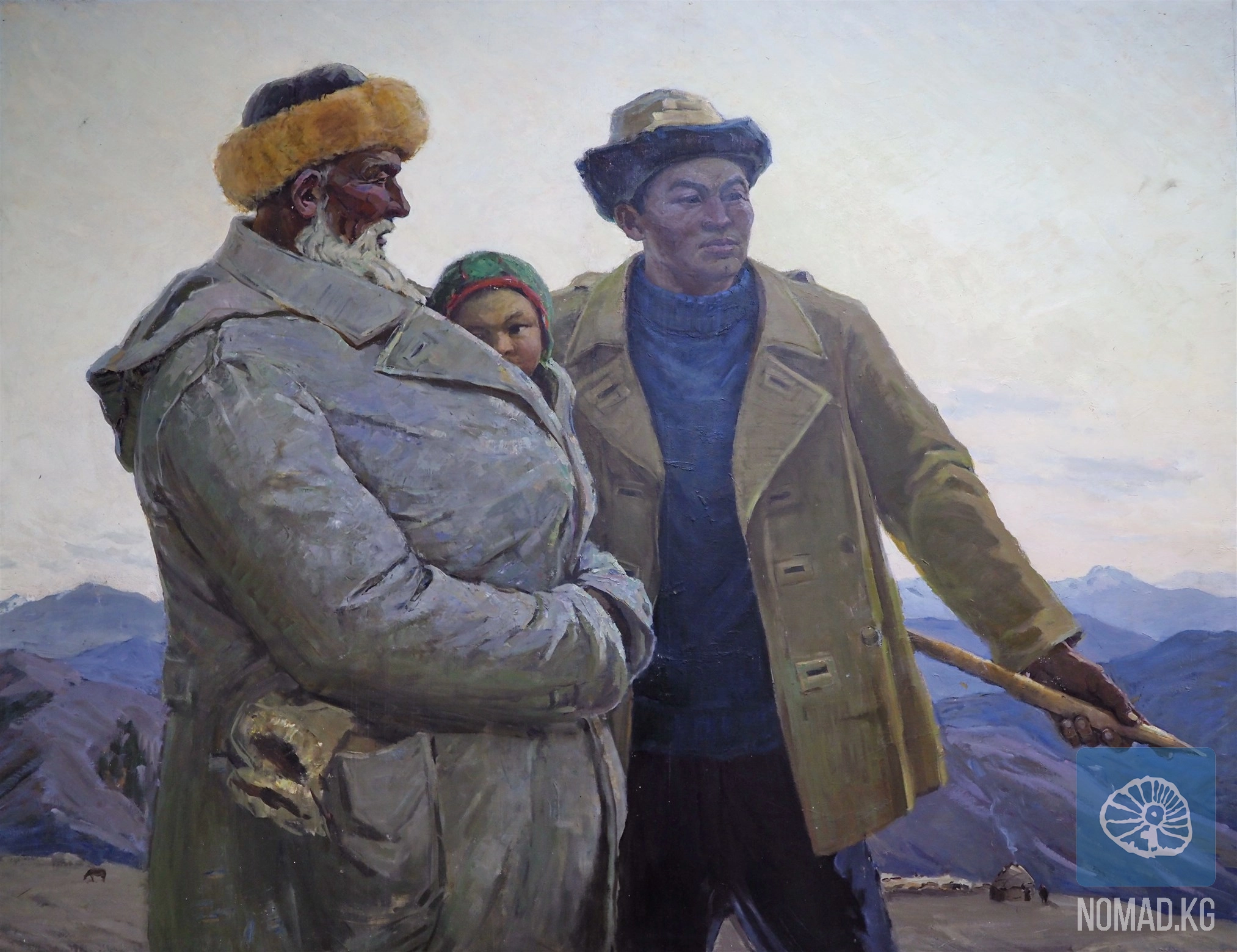
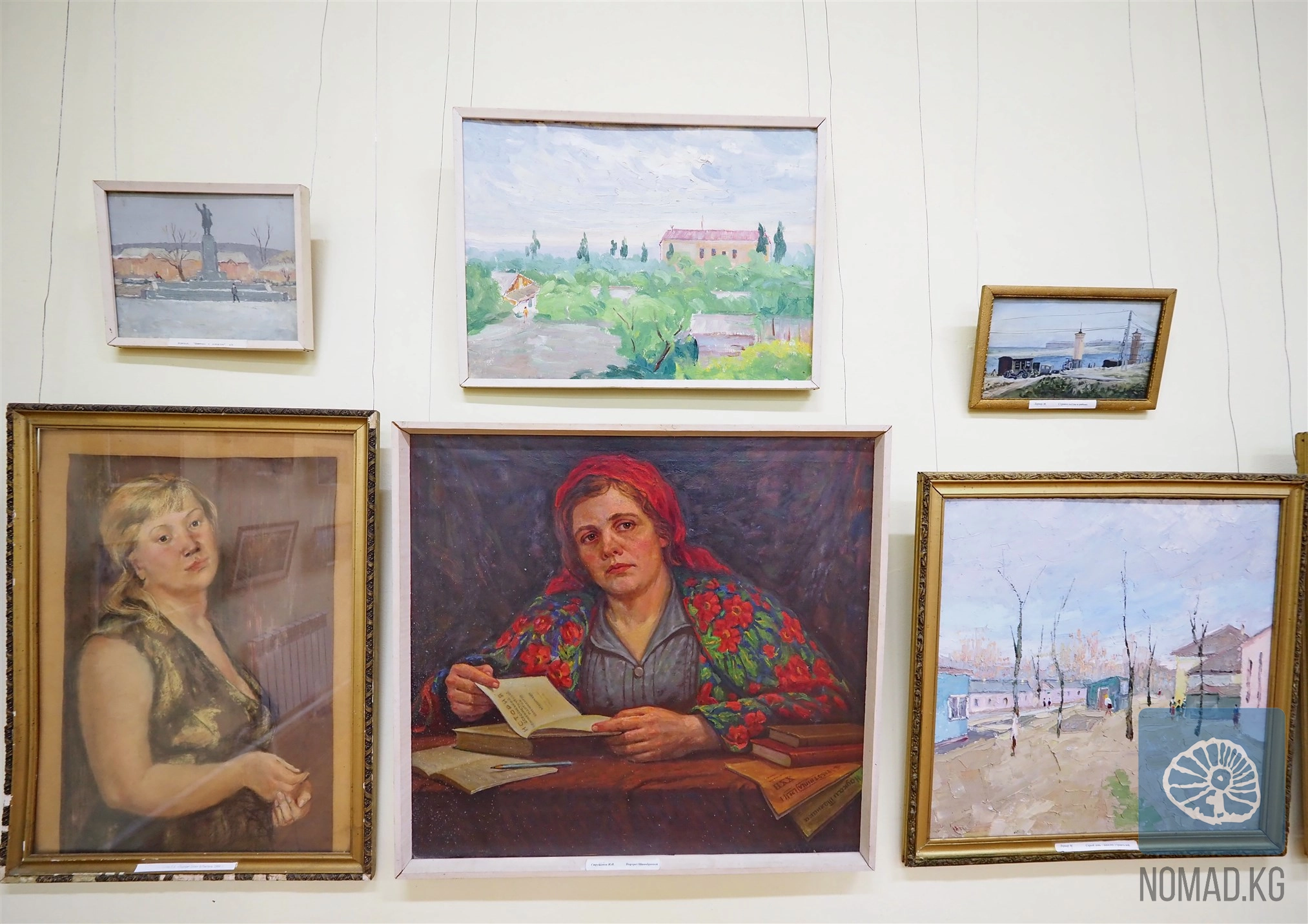
Today's Ak-Dobo was previously called Orlovka, and even earlier -the settlement Orlóv (Ger. Orloff) . The village was founded by German settlers from Poland, and this multilayeredness of names is still felt in its rhythm. Here, it is easy to notice traces of different cultures - in the layout of the streets, in the gardens, in the attitude towards work and home. And it is here, far from the capitals and major cultural centers, that the idea of an art museum was born.
The Theodor Herzen Museum of Fine Arts in Ak-Dobo is not just a collection of paintings. It is a rare case where art has taken root in a village, becoming part of its daily life, memory, and inner landscape. A place where culture emerged not "by order," but by human impulse. The Theodor Herzen Museum is not about scale or brilliance. It is about the human effort to preserve meaning where it is easy to lose it. For the traveler, it is a rare opportunity to see Kyrgyzstan not through mountain panoramas, but through the quiet cultural persistence of the era.
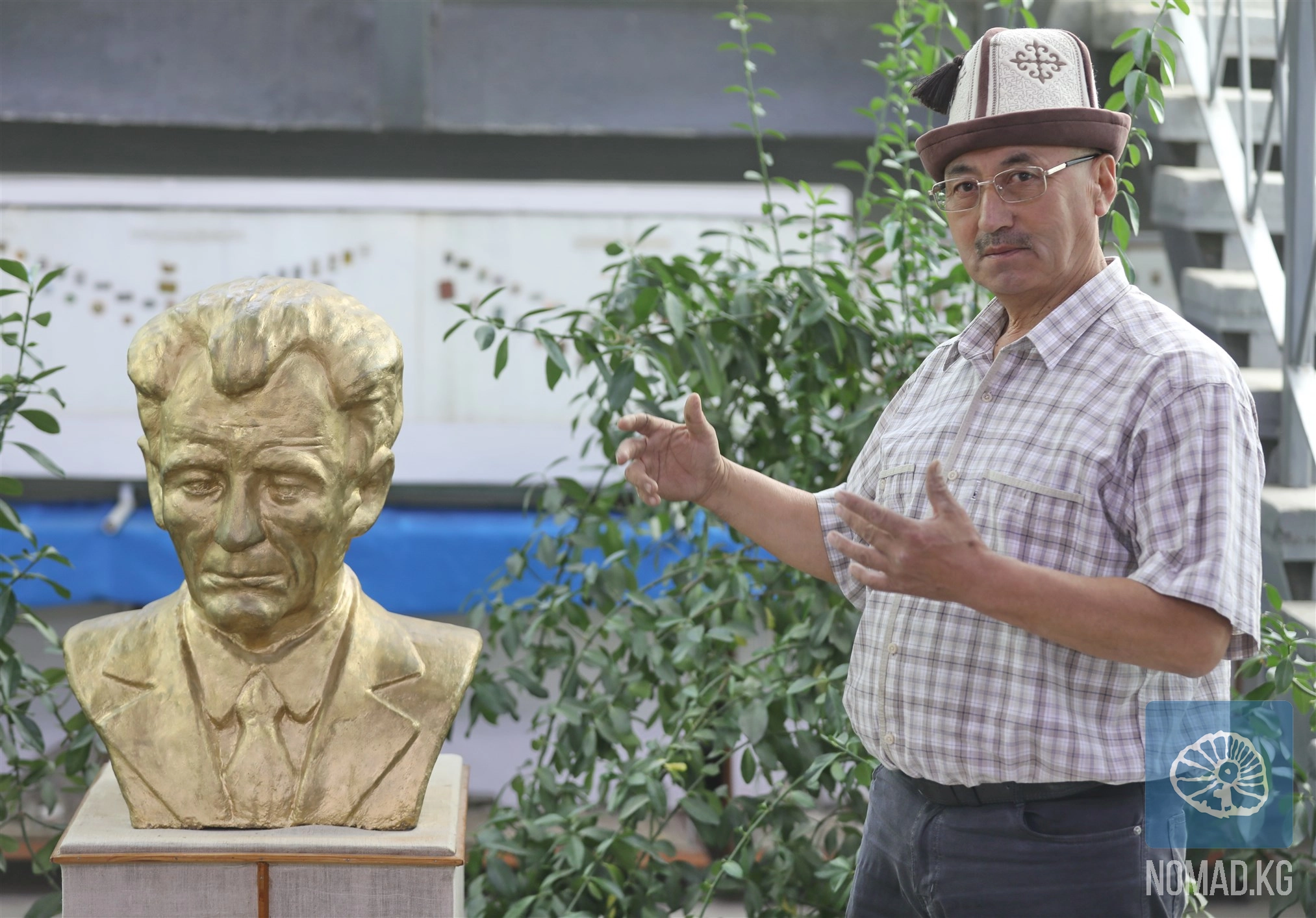
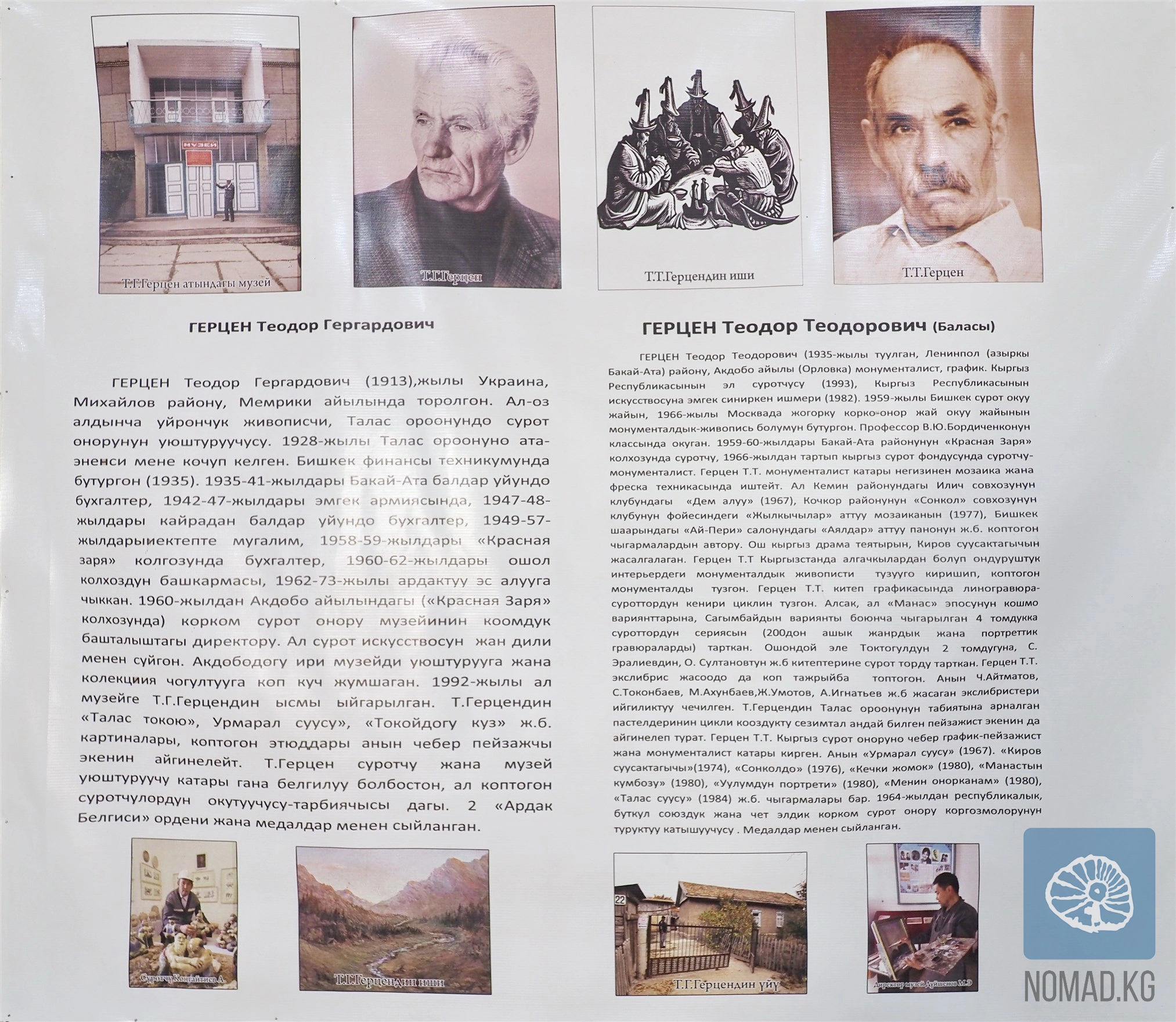
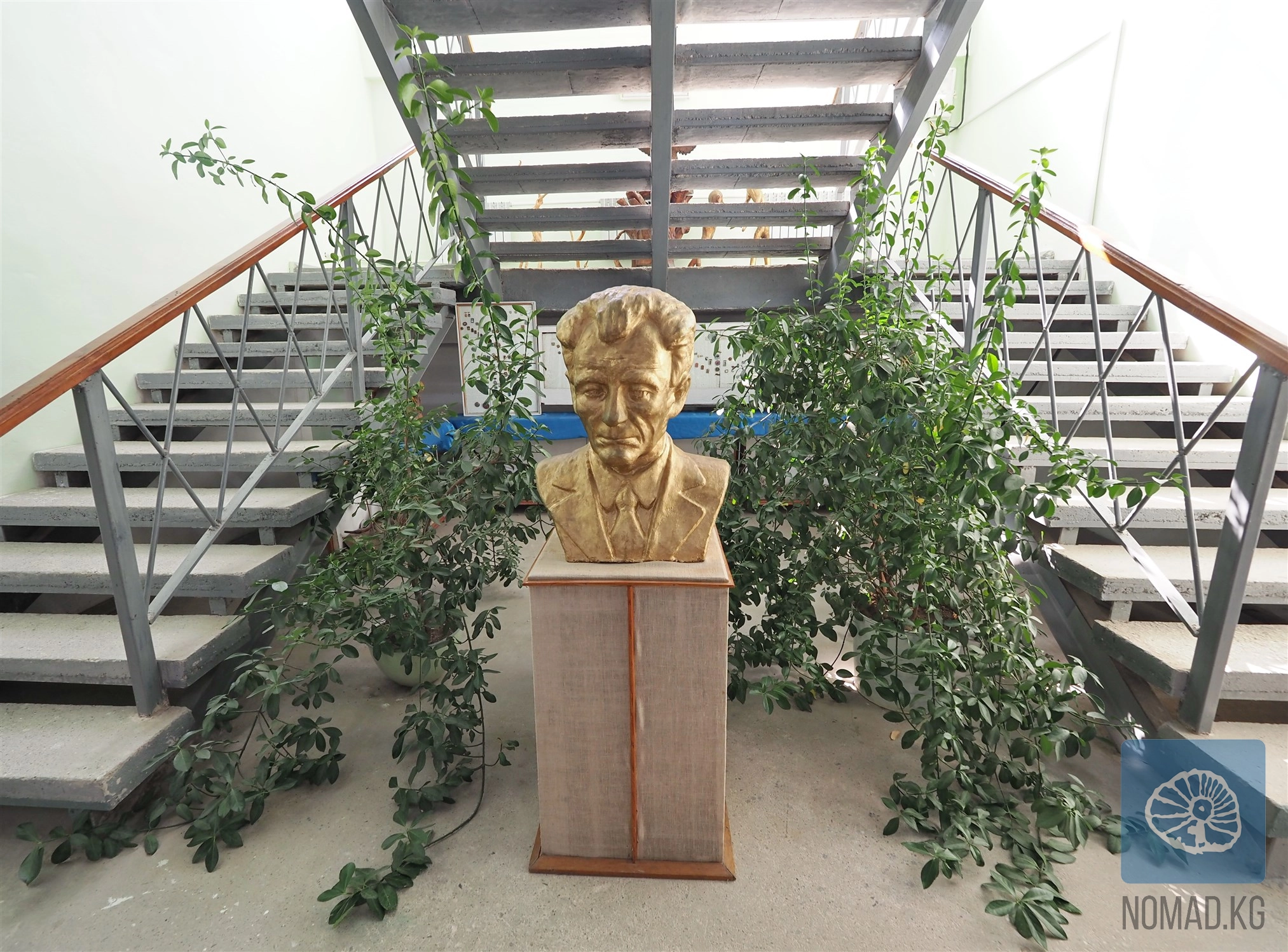
This museum is named after the father of the famous Kyrgyz artist Theodor Teodorovich Herzen - Theodor Gerhardovich Herzen, an educated man, a collector of art books, paintings, reproductions of the works of masters, and a drawing and drafting teacher at a school. The artist's childhood coincided with the difficult war years.
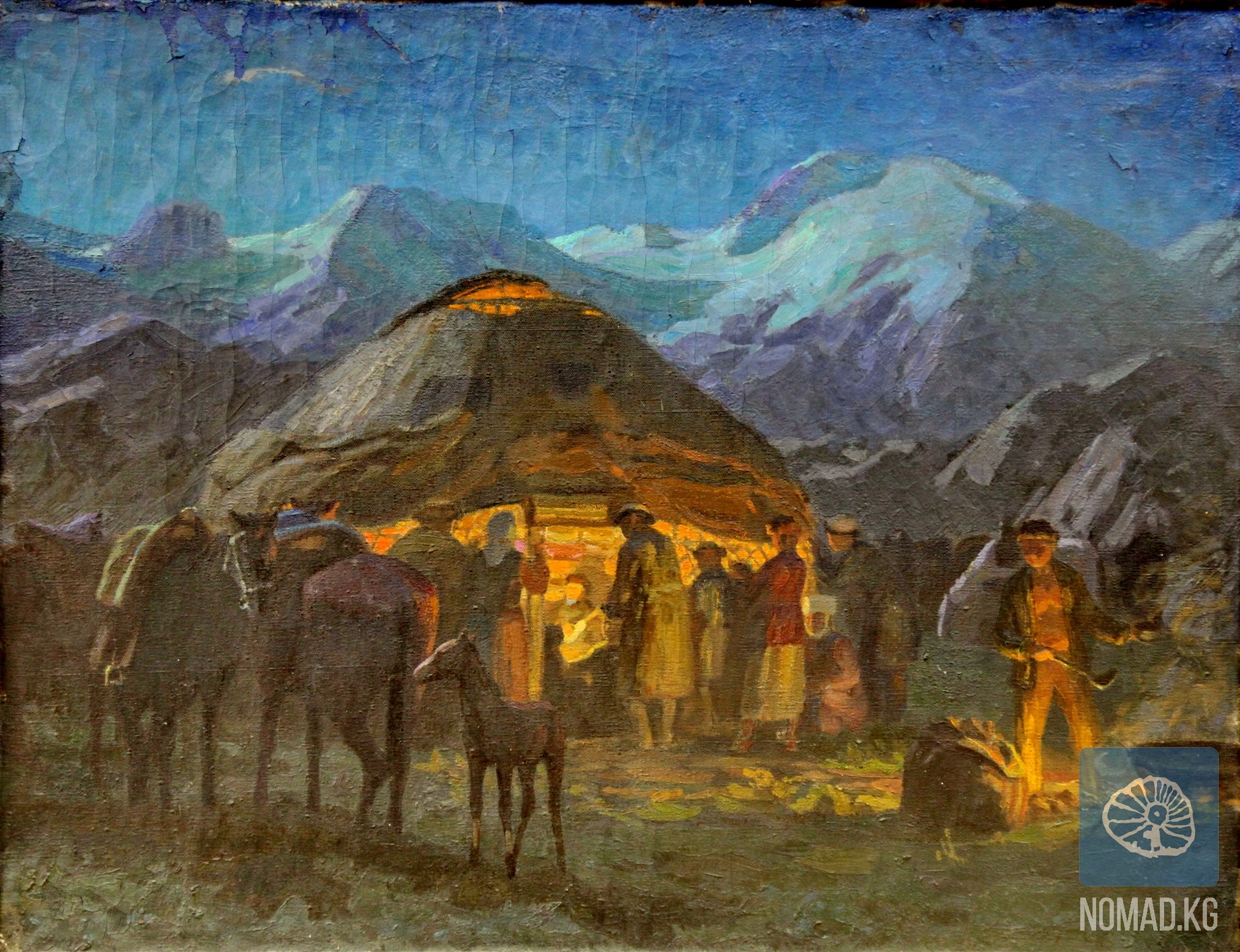
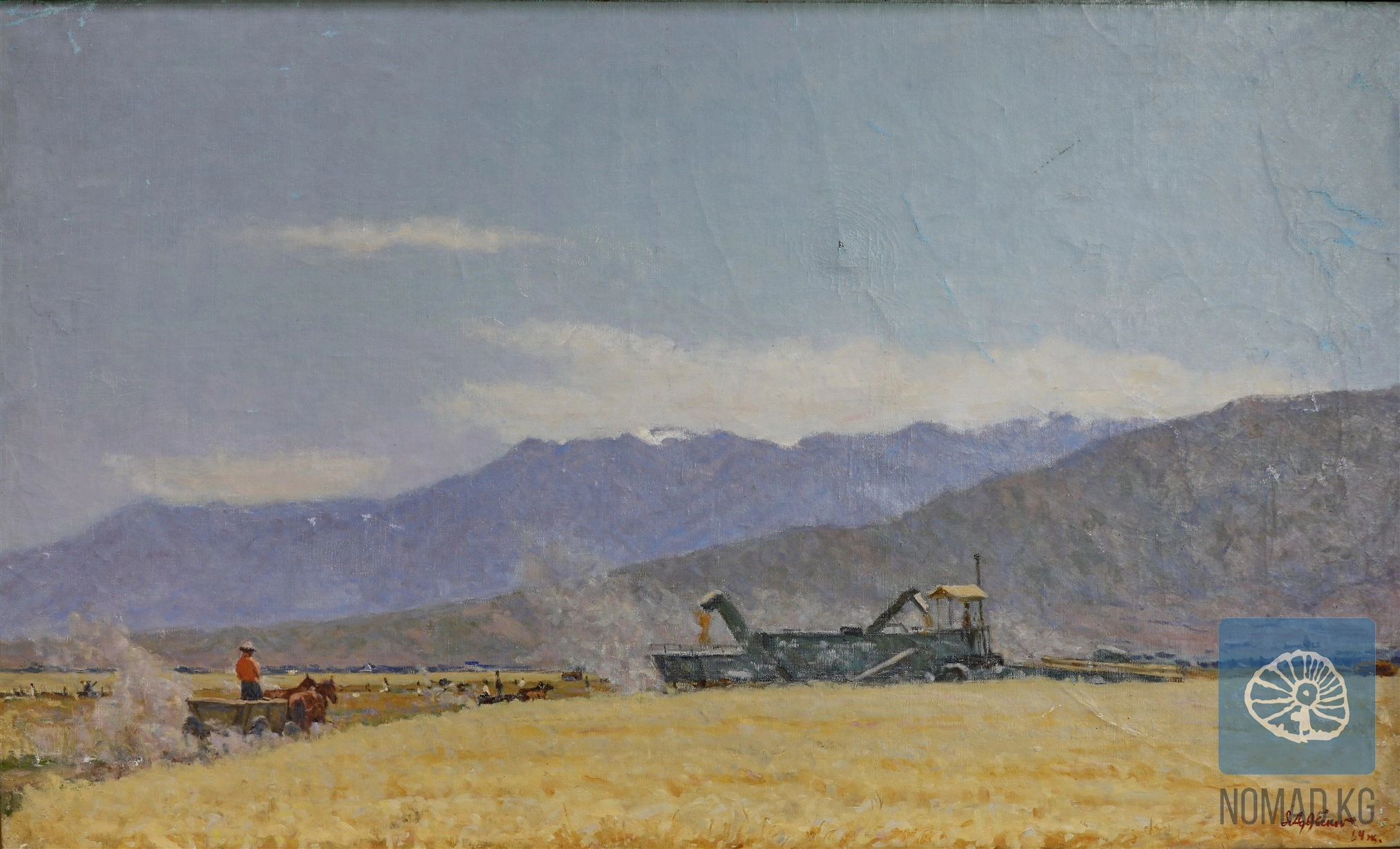
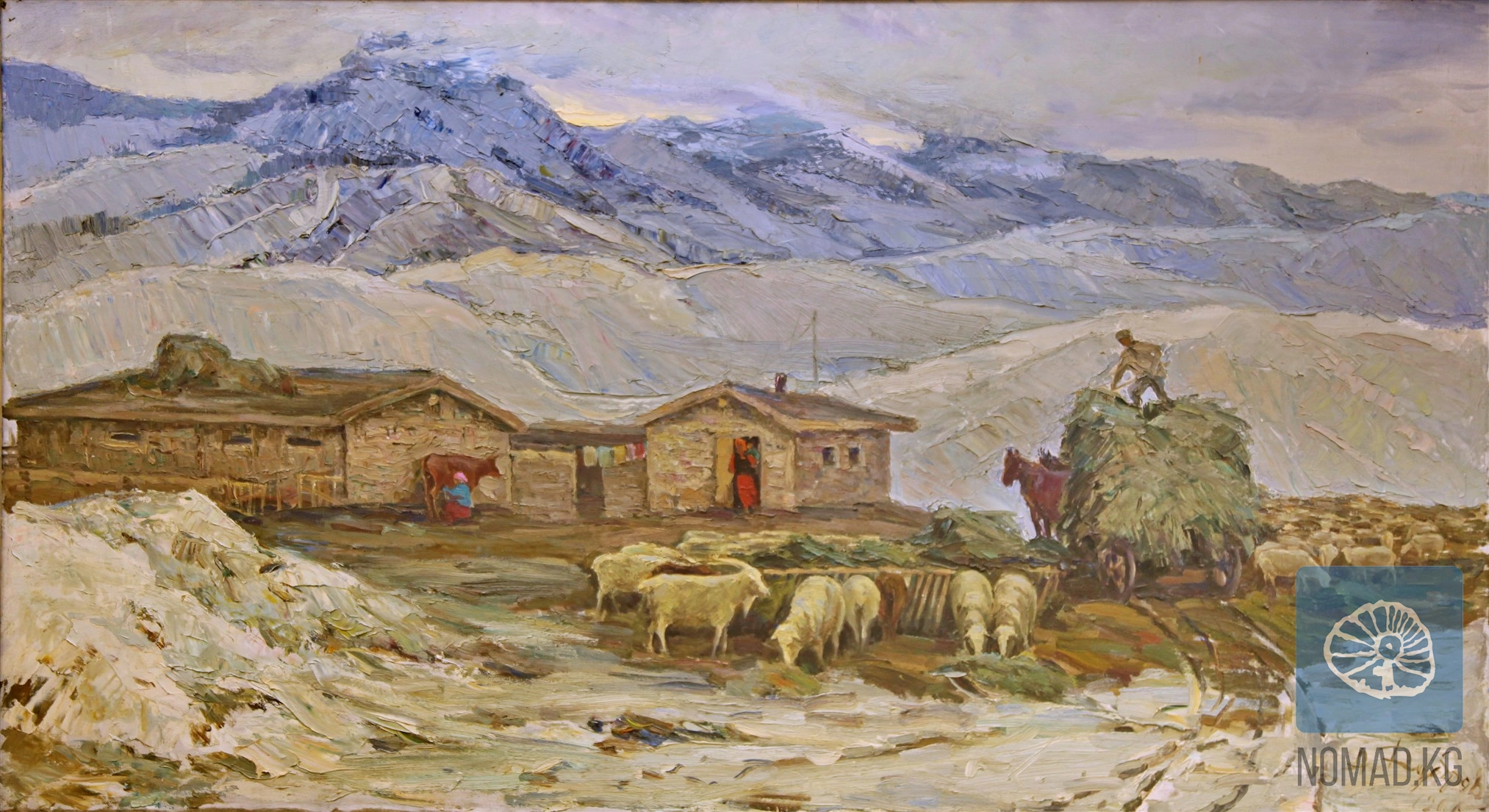
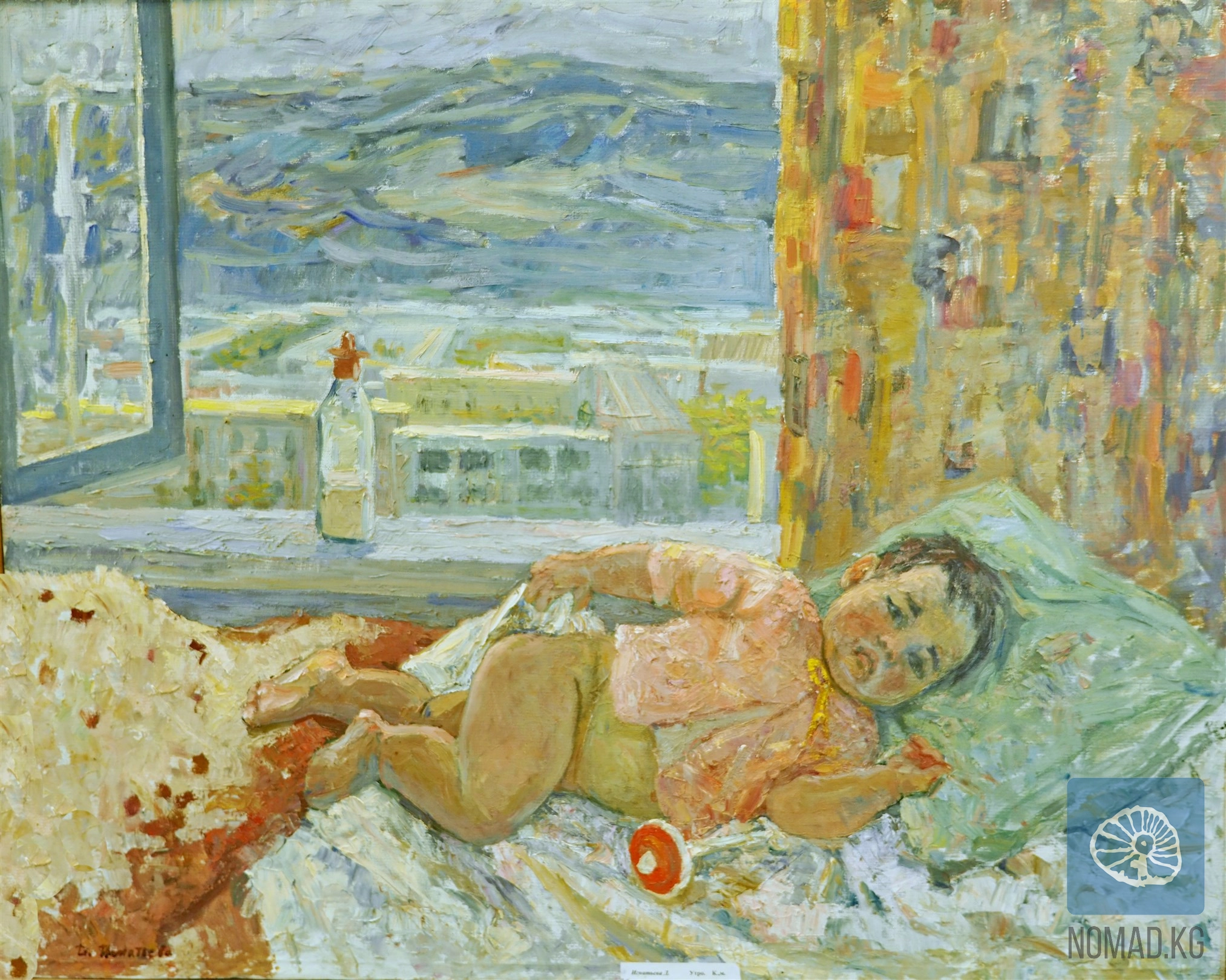
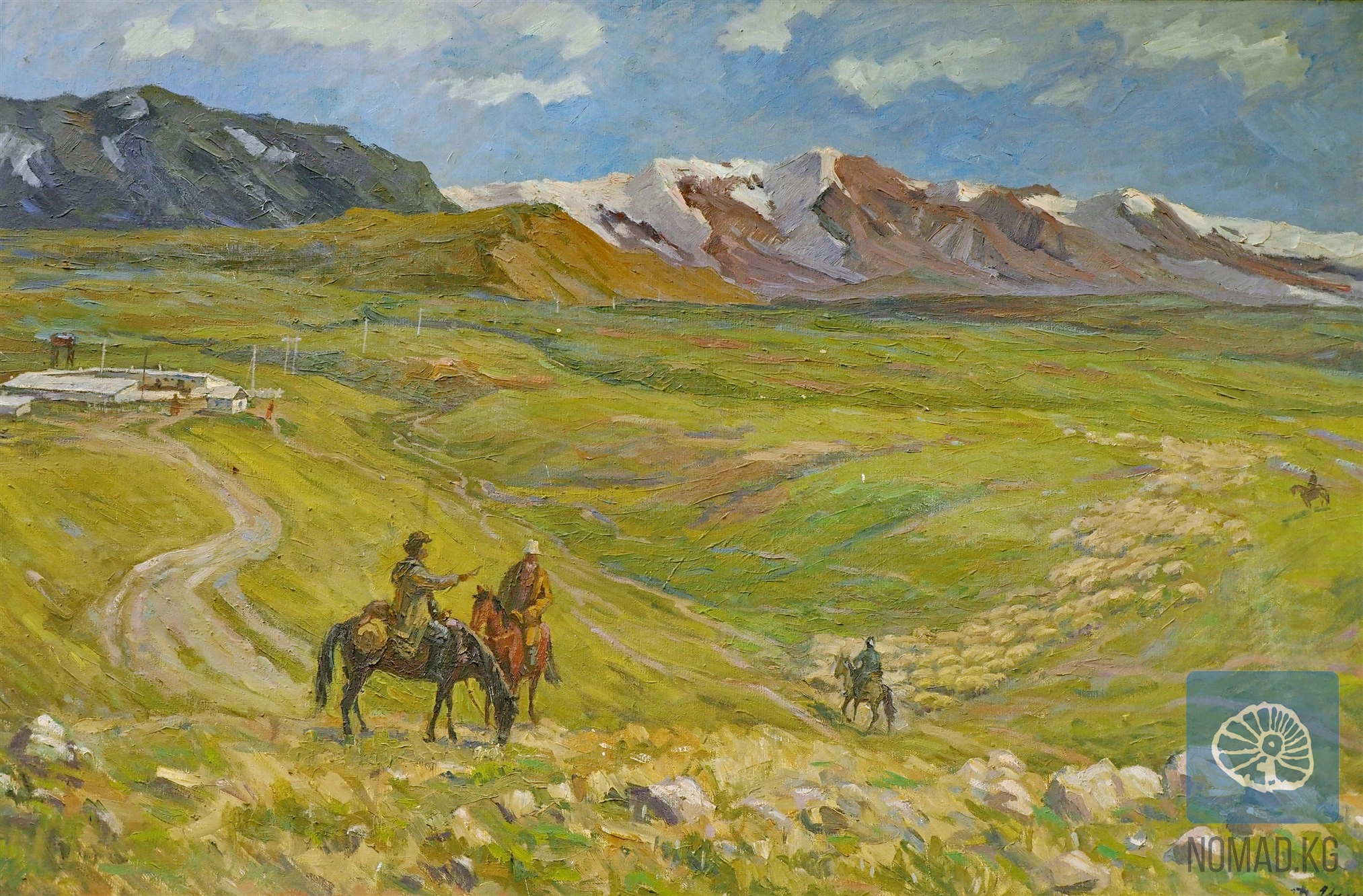
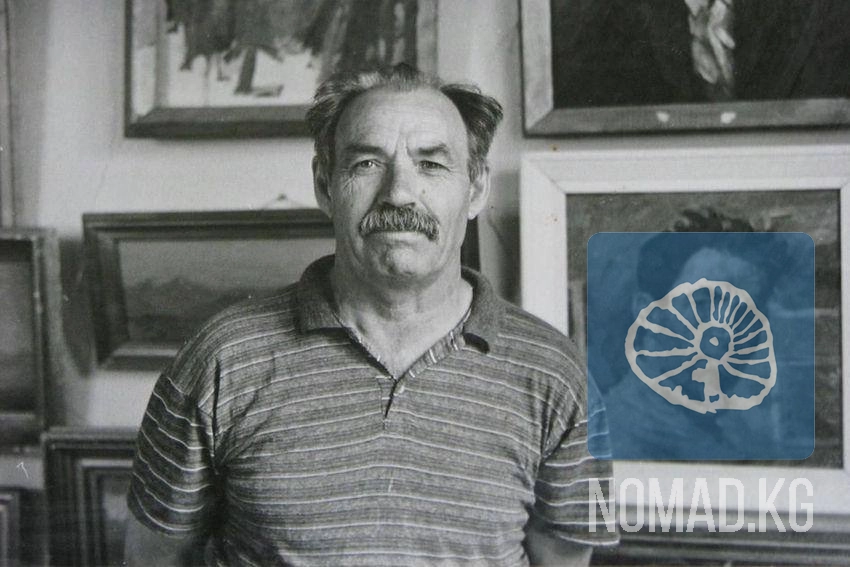
The history of the museum begins in 1959 - not with a loud opening, but with a small exhibition in the red corner of the dairy farm of the collective farm "Krasnaya Zarya." Its initiator was the accountant of the collective farm, self-taught artist Theodor Teodorovich Herzen. He painted those who were nearby: shepherds, tractor drivers, milkmaids, neighbors from the village. His works are not ideological posters, but a careful gaze of a person who knew the value of daily labor.
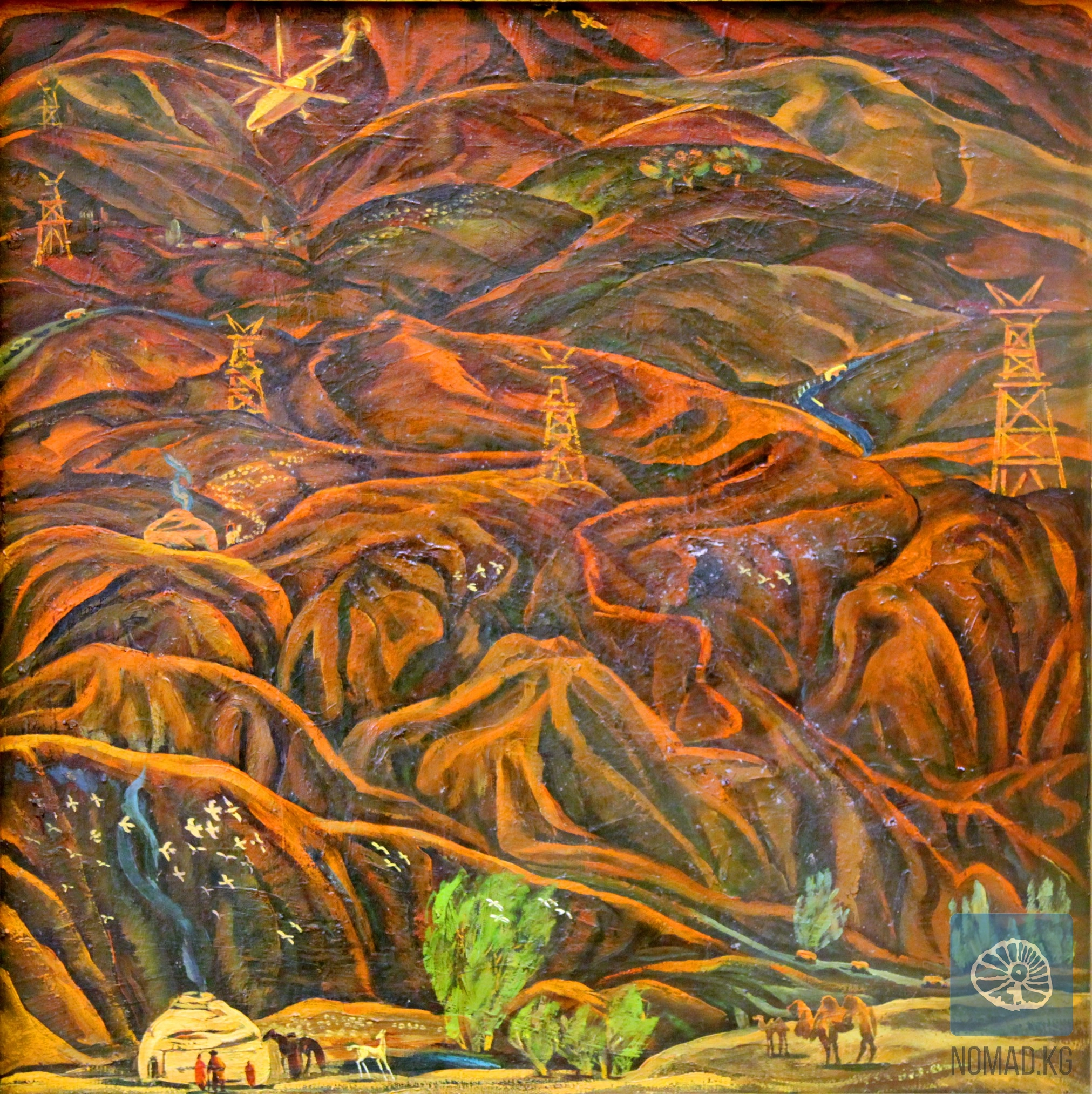
Portraits of the best workers, landscapes of the surroundings painted in oil and watercolor, showed the villagers for the first time that their own life could be a subject of art. This idea turned out to be revolutionary. The exhibition was the first step. A year later, the museum moved to the building of the former club in the center of the village — an event that is still remembered. The opening was crowded, festive, almost incredible for the rural area of that time. Thus, in 1962, the collective farm art museum was established, created "for the purposes of aesthetic education of workers and the promotion of the achievements of Kyrgyz art." The museum's collection consists not only of works by Theodor Gerhardovich, Theodor Teodorovich, and Yakov Teodorovich Herzen.
From the very beginning, the museum did not close itself off to locality. Close ties were established with the Kyrgyz State Museum of Fine Arts. Traveling exhibitions began to come to Ak-Dobo: Western European painting of the 15th–19th centuries, contemporary Romanian graphics, reproductions of masterpieces from the Hermitage, the Russian Museum, and the Tretyakov Gallery, exhibitions of Kyrgyz artists. For the residents of the Talas Valley, this was a real journey without leaving home. People who had never been to large museums saw world art for the first time - not from textbooks, but live. The museum's fund grew: the Ministry of Culture of the Kyrgyz SSR transferred dozens of works, artists donated their works, and the collective farm itself acquired exhibits. Over two decades, more than 105,000 people visited the museum - a huge number for a rural area.
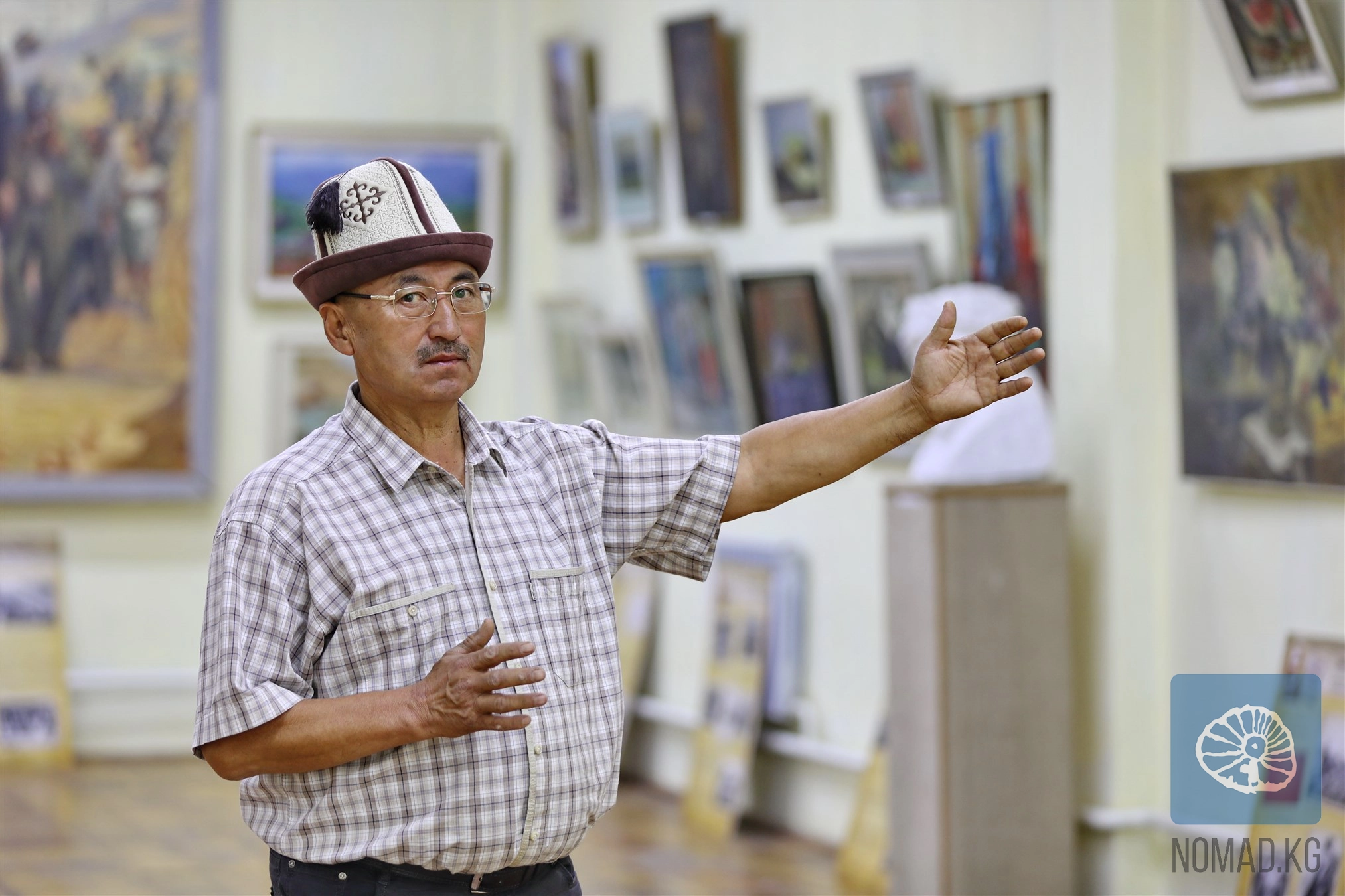
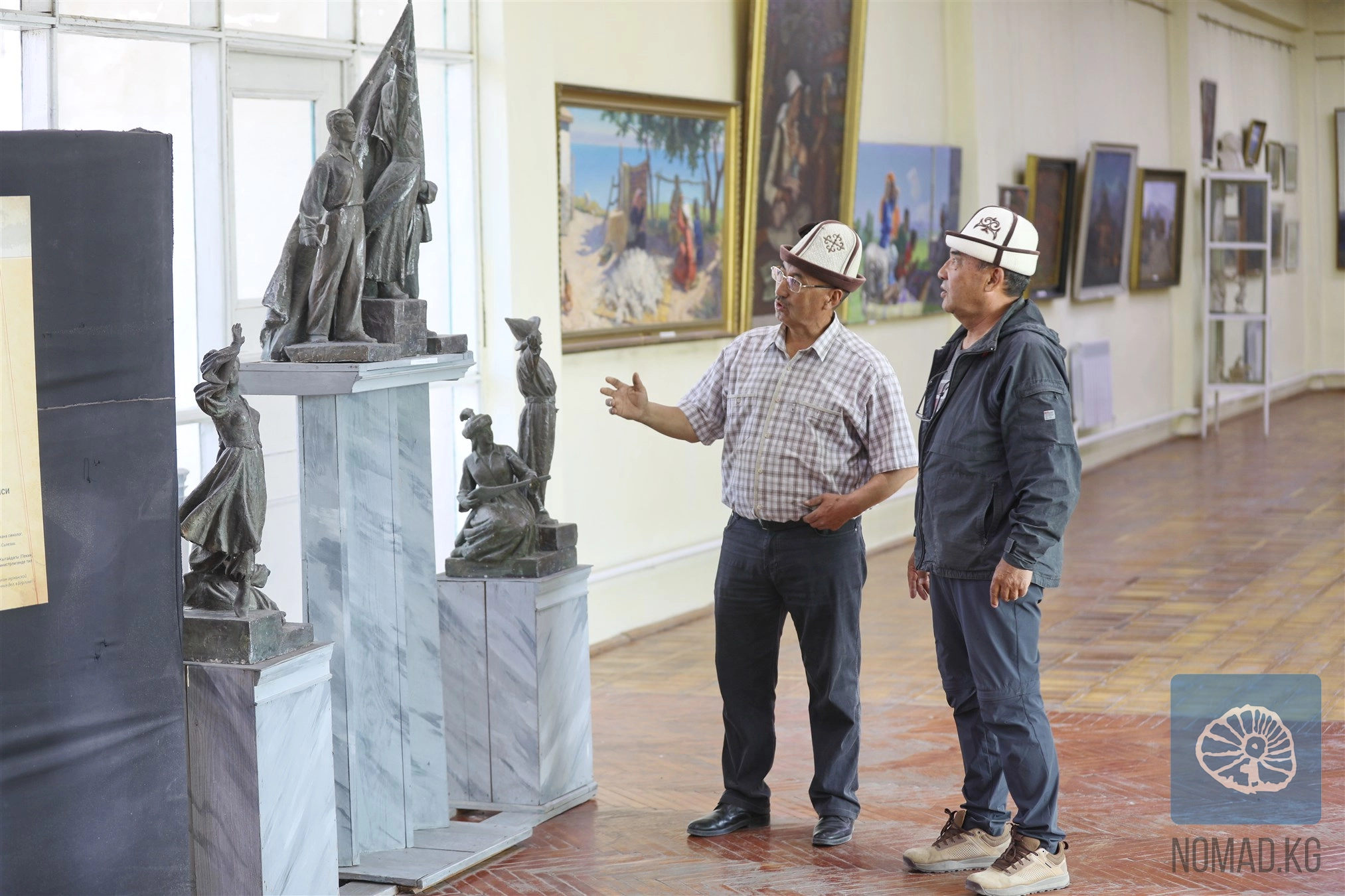
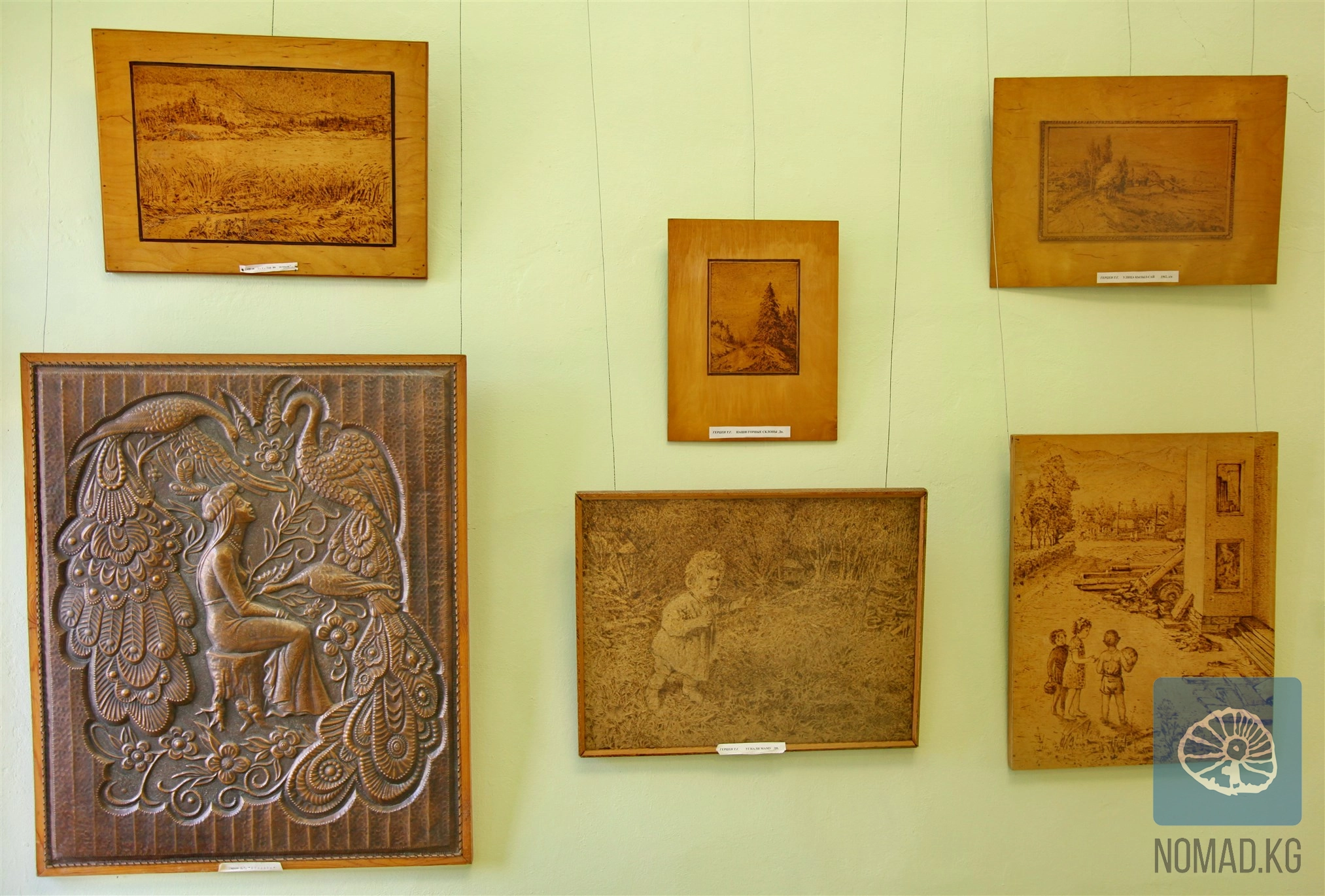
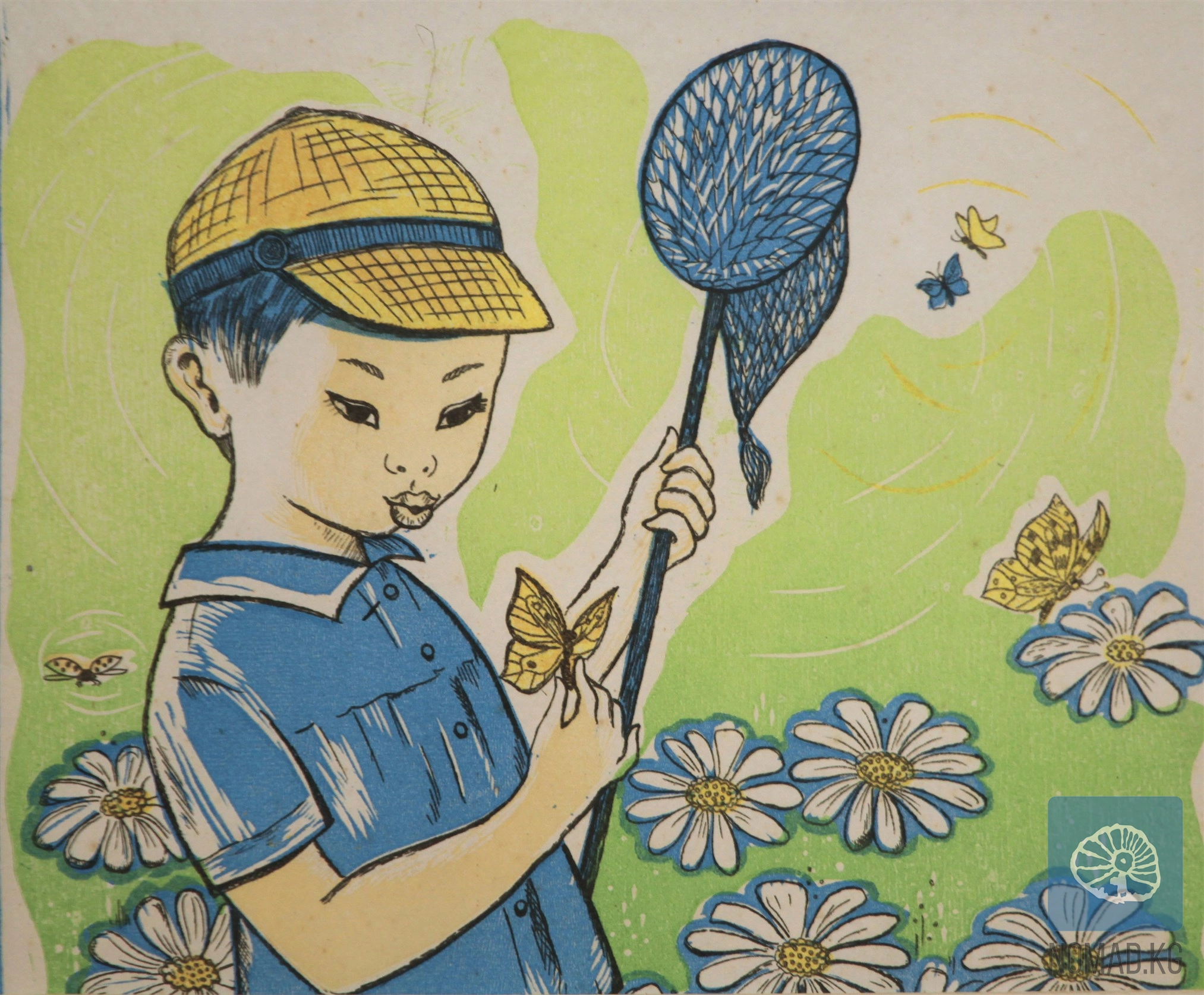
Today, the museum consists of three main halls in a building constructed in 1982. In one hall are reproductions of paintings (linocuts) based on the epic "Manas" and archaeological and local history items. In another are works by the Herzen family, intimate, personal, honest. In the third are works by well-known artists from the Talas region, Kyrgyzstan, and other former Soviet republics. Here, it is easy to catch yourself realizing that you are looking not only at paintings but also at traces of life around: how local schoolchildren come in after classes, how elderly people recognize familiar faces in the canvases, how the museum remains part of everyday life.
How to get there: Ak-Dobo is located in the Talas region. The easiest way is to drive from the city of Talas by car or minibus to the village. The road is simple, without extreme sections. The museum is located in the center of the village, and it is easy to find by local landmarks. No special preparation is required, but it is worth taking water, having cash (the infrastructure is minimal), and allowing time not only for the museum but also for a walk around the village. In Ak-Dobo itself, there is almost no tourist infrastructure. Overnight stays are possible in Talas or in the format of hospitality with local residents by arrangement.
Unfortunately, the museum is almost not included in tourist routes, is little known outside the region, and remains outside the systematic attention of the Ministry of Culture. Today, the museum exists largely in spite of the circumstances. It is under the balance of the Ak-Dobo ayil okmotu. The municipality provides heating, utilities, cleaning, and current repairs. About 700,000 soms are allocated per year, which is only enough for basic maintenance. At the same time: there is no specialized storage, exhibits are stored under the stairs, the temperature and humidity regime is not maintained, and knowledge about the museum is almost not digitized. Today, the museum's collection consists of more than 1,600 museum items - painting, graphics, sculpture, decorative and applied arts, archaeology. Without support, these works may be lost.

If there is a place in the Talas region that amazes from the very first step, it is the Talas Birch Grove - the largest man-made birch forest in all of Central Asia and one of those places where humans and nature have created a true oasis of
Peak Manas is the highest point of the Talas Ala-Too ridge, with an elevation of about 4485-4488 meters above sea level, and this figure alone sets the tone: here, the familiar routes end, and the territory of true mountains begins. The
Standing by the Talas River early in the morning, when the fog still lingers over the water, it is easy to imagine how caravans passed through here, how cavalry units moved along these very shores, how language, faith, and power changed - while the
The high mountain passes of Suusamyr do not tolerate haste. Its meadows, rivers, and slopes exist at their own pace. The grass grows slowly here, trees take years to settle in, and any human intervention leaves a lasting mark. When you stand at this
The Kumushtak Gorge in the Bakai-Ata district of the Talas region does not reveal itself immediately. The mountains here do not press down with height but seem to retreat, leaving space for breath. The stones lie as if they were intentionally
The Talas Valley is one of those places where Central Asia speaks to the traveler through the language of wind and silent stones. Here, between hills and gorges, traces of ancient civilizations have been preserved, whose names have long dissolved in
In the center of the village of Kyzyl-Adyr, which many travelers remember by its old name Kirovka, there is a local history museum named after Mikhail Fyodorovich Tura in the secondary school named after Orozbekov Meilibek. At first glance, it seems
The Talas region is one of the corners of Kyrgyzstan where history is felt not in museum showcases or academic works, but in the wind, in the scent of dry wormwood, in the lines of mountains frozen around the valley like an ancient choir. Here, the
Kyrgyzstan is a country where the memory of ancestors, sacred space, and natural power merge into a single cultural landscape. For centuries, Kyrgyz people have placed special importance on burial monuments and holy sites—mazars. Even today,
From the Talas Ala-Tuu ridge, the steppe suddenly ceases to be chaotic. In its body, even, almost stubborn strokes emerge. Stone by stone. Line by line. Bakayyr does not reveal itself immediately: it waits for you to step out of the scale of a human
In the Talas Valley, there is a place where legends come alive at every step, and the silence of the mountains speaks louder than any storyteller. This is the Besh-Tash Gorge - one of the most picturesque and symbolic natural spaces in Kyrgyzstan.
Where once small rural streets stretched along the river valley, where people lived a measured steppe life, today lies a vast expanse of water - the Kirov Reservoir, one of the most significant hydraulic structures in Kyrgyzstan and an impressive
If you have already seen Lake Besh-Tash and think that the national park has revealed all its secrets to you, then you simply haven't yet ascended the Itagar Pass. This is the route after which photos remain in your phone's memory that you
In the very heart of the blessed Talas Valley, where the silvery Talas River leisurely carves its path between two majestic mountain ranges - the Talas and Kyrgyz ranges - lies a unique natural oasis. The Talas Forest is not just a green stripe on
Among the picturesque mountains of the Bakai-Ata district, not far from the village of Urmaral, lies one of the most mysterious and revered places in the Talas region - the Kara-Koyun cave. This is not just a dark niche in the rocky mass, but a
The Talas Geopark "Echkilі-Tuu" is located in the mountain range of the same name, Echkilі-Tuu, which is part of the Kyrgyz Ala-Too ridge, in the Sary-Kuurai gorge, one of the most impressive natural attractions of Kyrgyzstan. This geopark
The Ötmäk Pass (3326 m above sea level) is one of the most impressive places in the Talas region and an essential mountain artery connecting the closed Talas Basin with the expansive Suusamyr Valley and the strategic Bishkek-Osh highway. This is the
In the Talas Valley, among the hills and green valleys, lies one of the most revered sacred places in the region - the mazar of Boo-Terek. Its name translates from Kyrgyz as "a bundle of poplars" or "many poplars," and this is no
The Talas region is not only a land of ancient settlements and legends but also of remarkable natural abundance. Here, surrounded by the stunning mountain gorges of Besh-Tash, Kolba, Kumush-Tag, and Urmaral, one of the most heartfelt gastronomic
The mountains of the Talas Ridge conceal many secrets, but one of the most astonishing is the complex of rock carvings at Bakayir-Kara-Kuush, located in an easily accessible gorge where human footsteps are lost among the stones, and ancient
Among the hills of the Talas Valley, near the clear river Ken-Kol, lies one of the most cherished places in the vicinity of the National Complex "Manas Ordo" - the sacred spring "Kanykey Apa." For the Kyrgyz, this is not just a
The Besh-Tash Nature Park covers over 30,000 hectares, stretching nearly 30 kilometers upstream along the river of the same name - from the gentle foothills at an altitude of 1,100 meters to the harsh, cold glaciers rising to 3,500 meters. The park
The Besh-Tash National Park, which translates to "Five Stones," stretches in a narrow chain along the Talas Ala-Too mountain range. On a good gravel serpentine road up the Besh-Tash river gorge, it feels like the car is about to hit the
In the narrow stone corridor of the Chon-Kapka gorge, where the road seems to glide between sheer cliffs, a traveler is suddenly confronted by a massive concrete wall of a dam. But what strikes one the most is not the engineering itself, but the art