

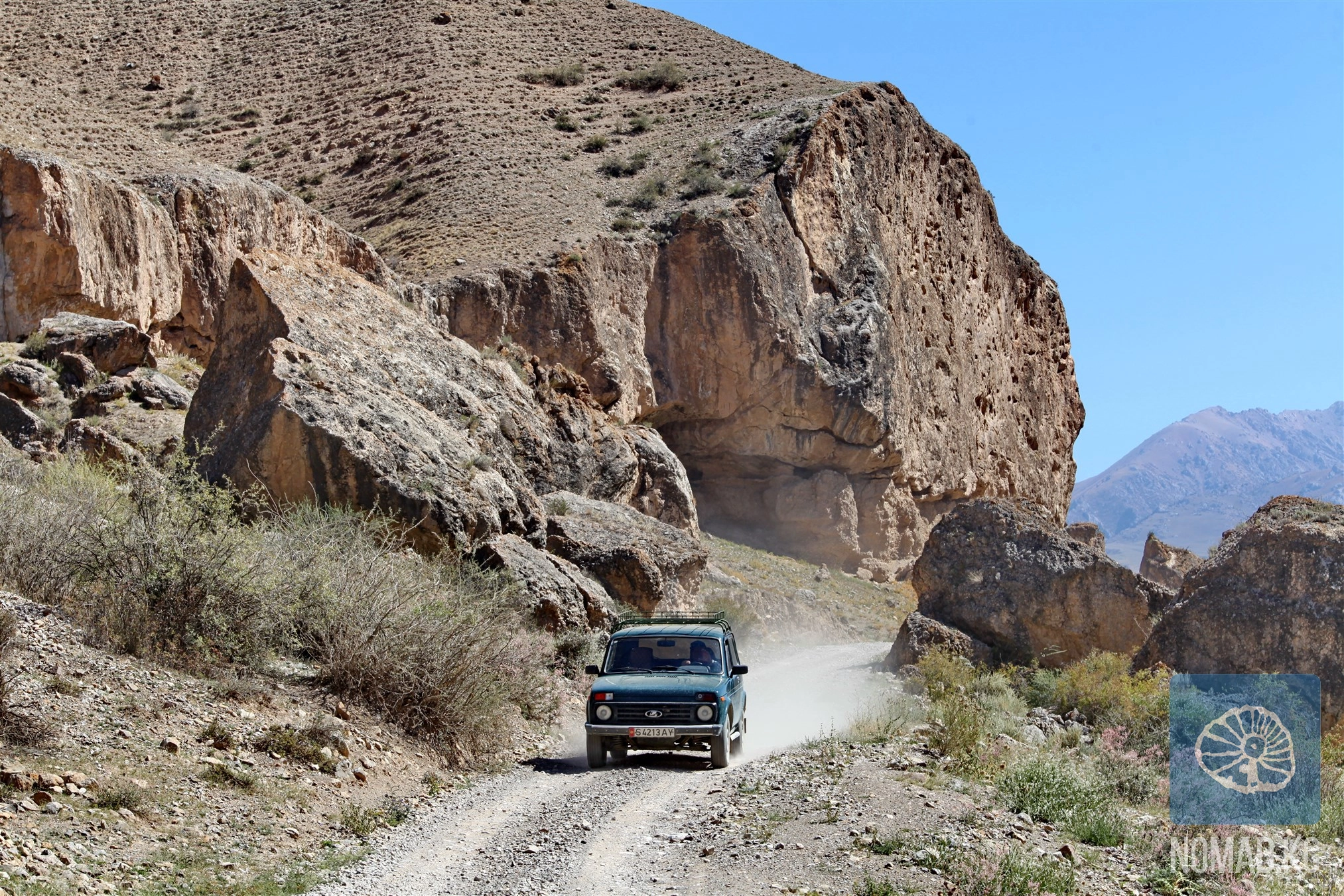
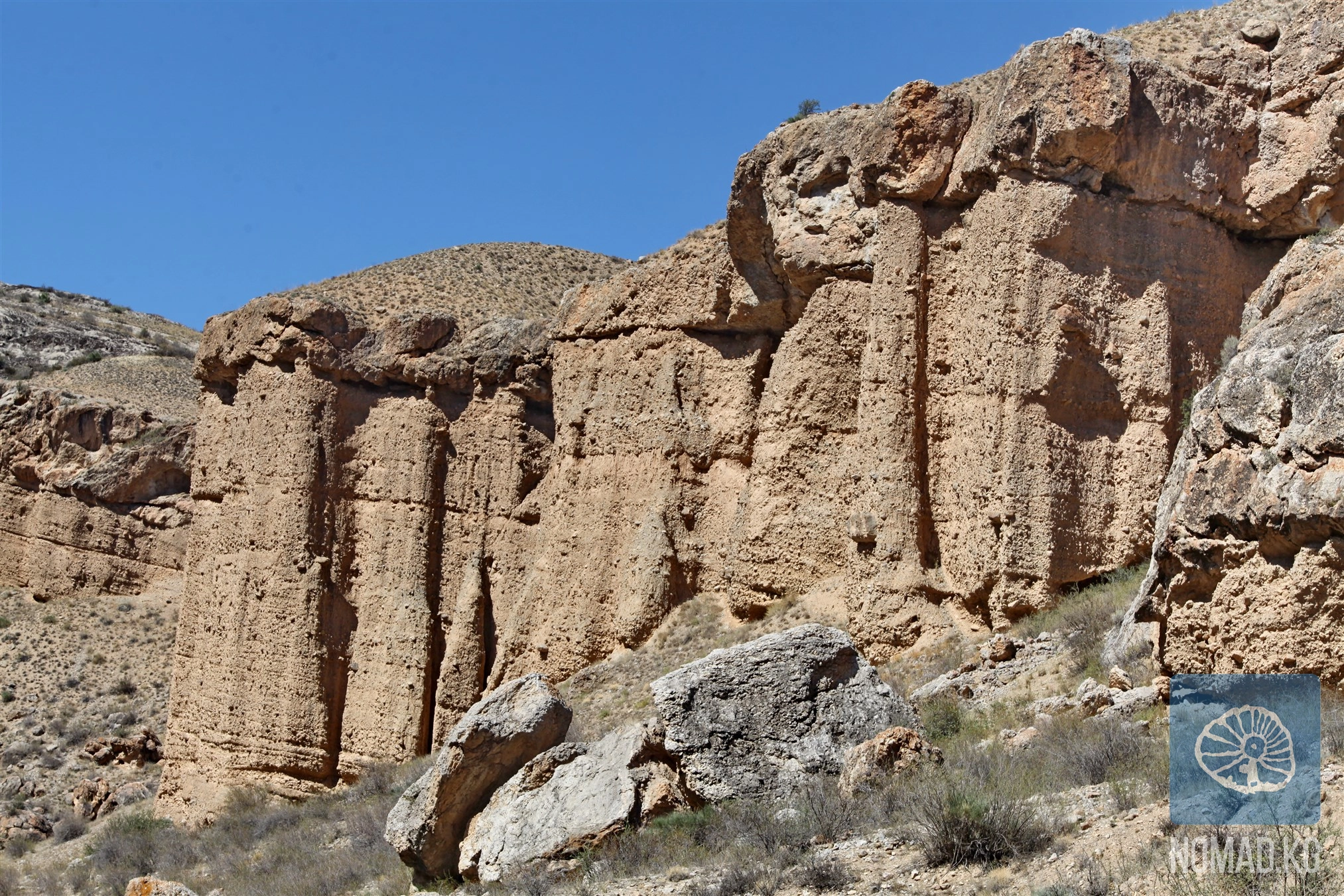
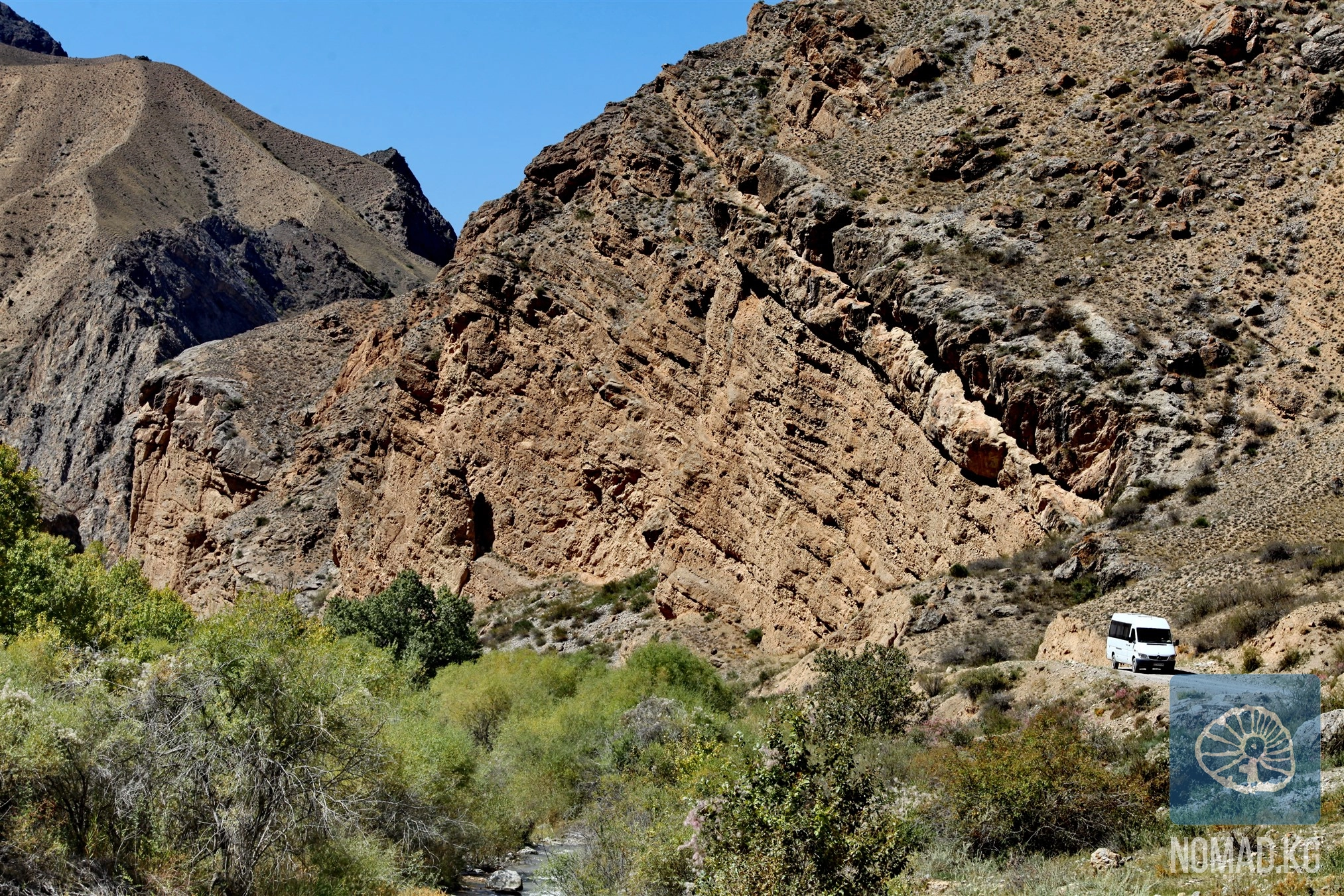
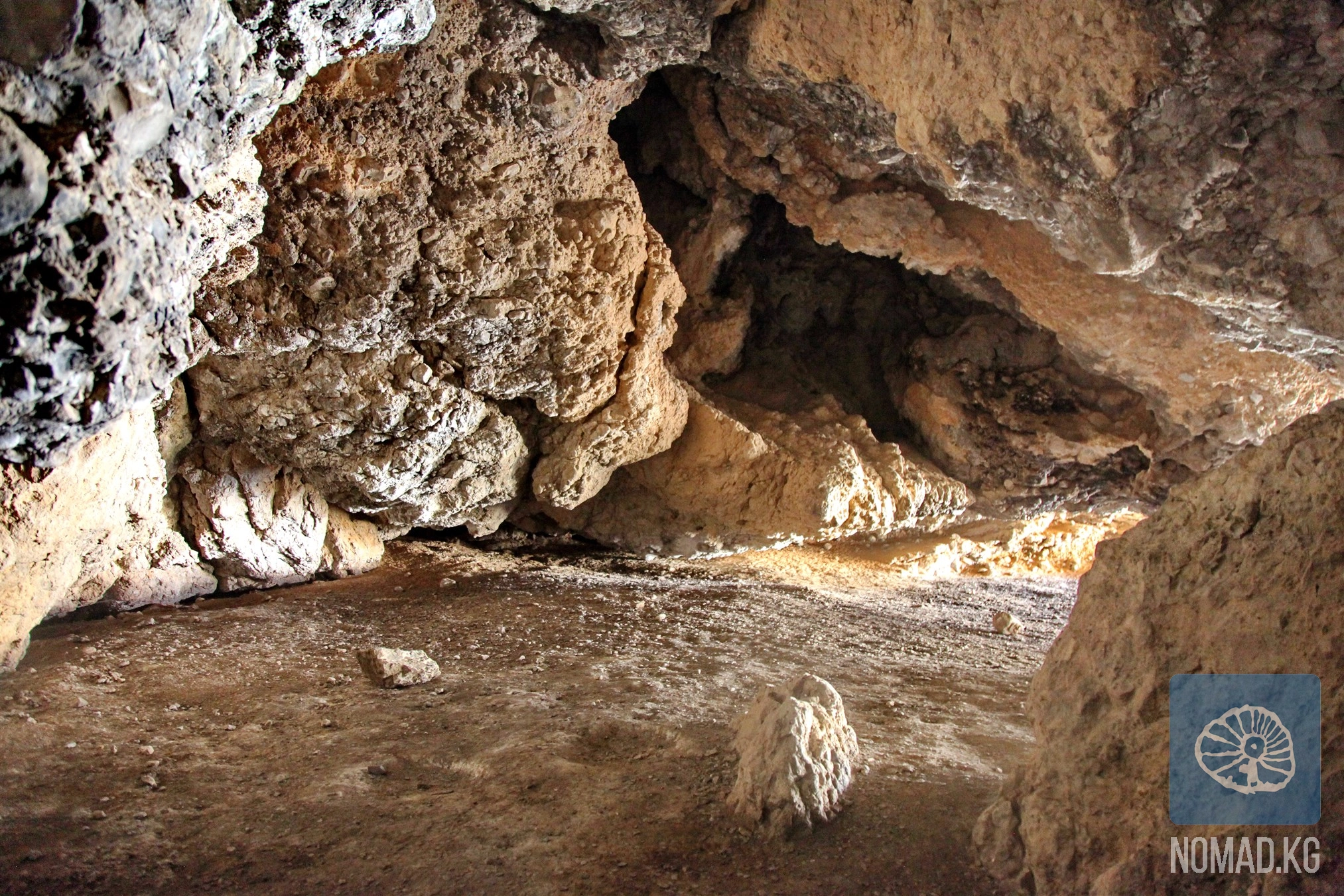
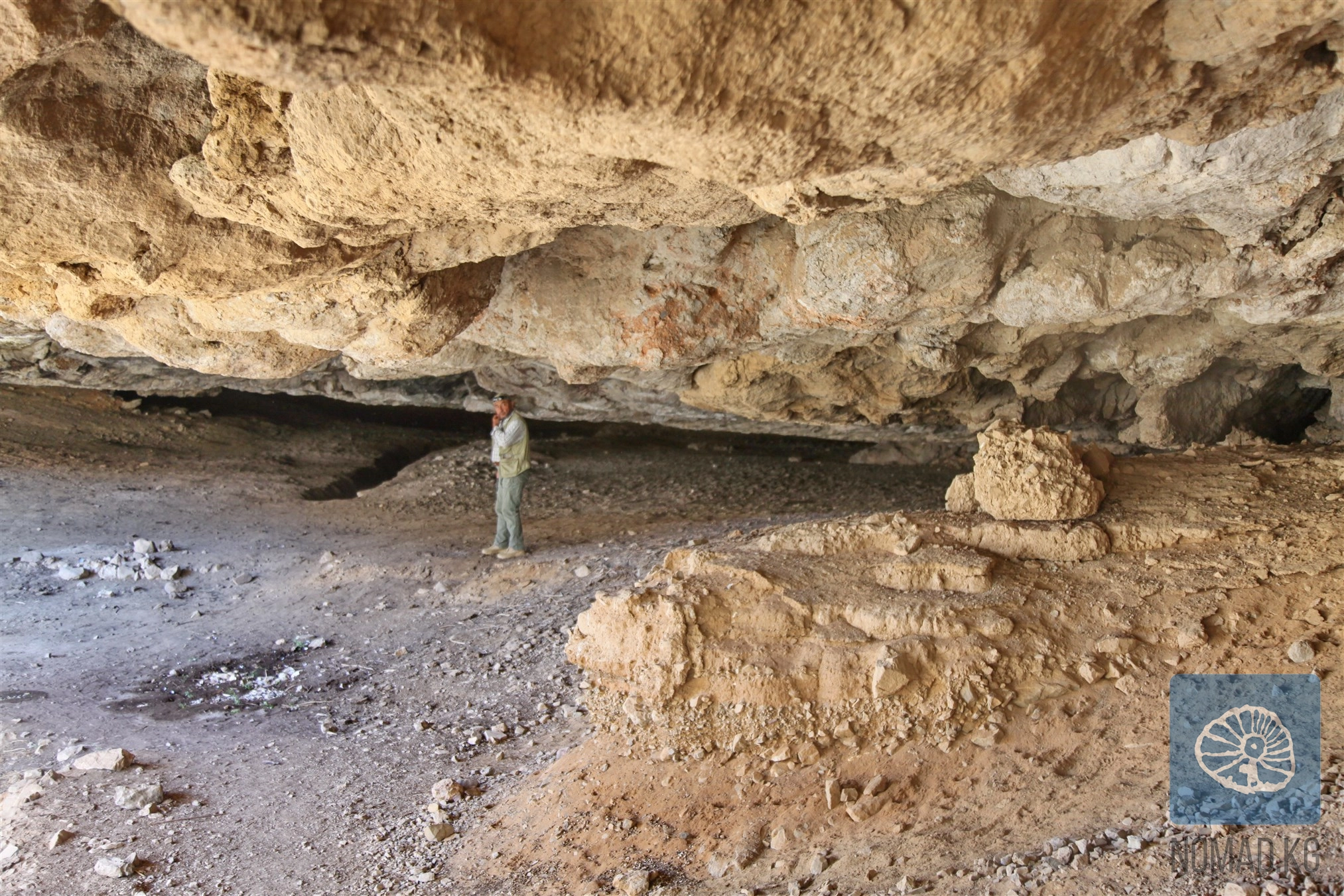
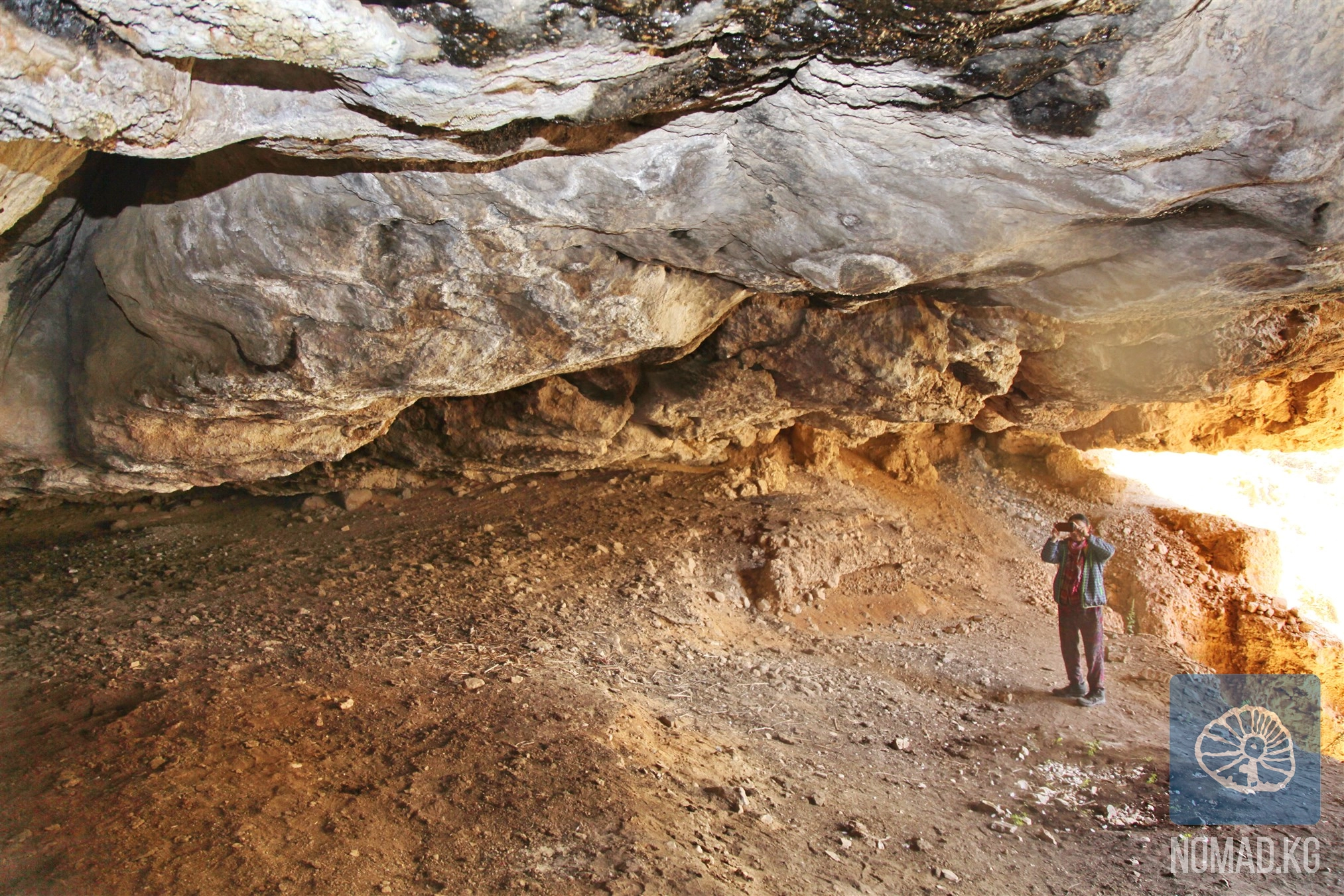
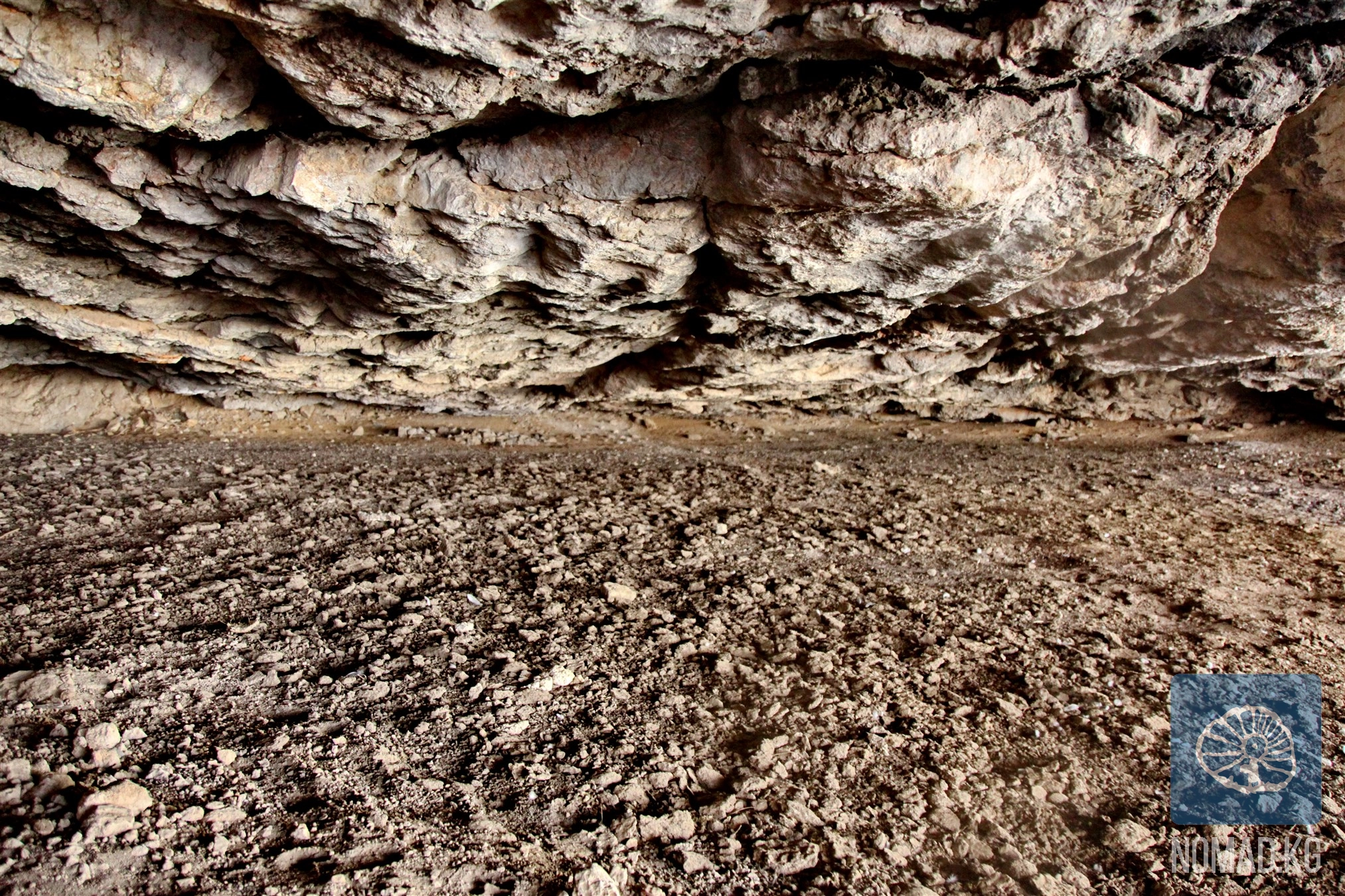
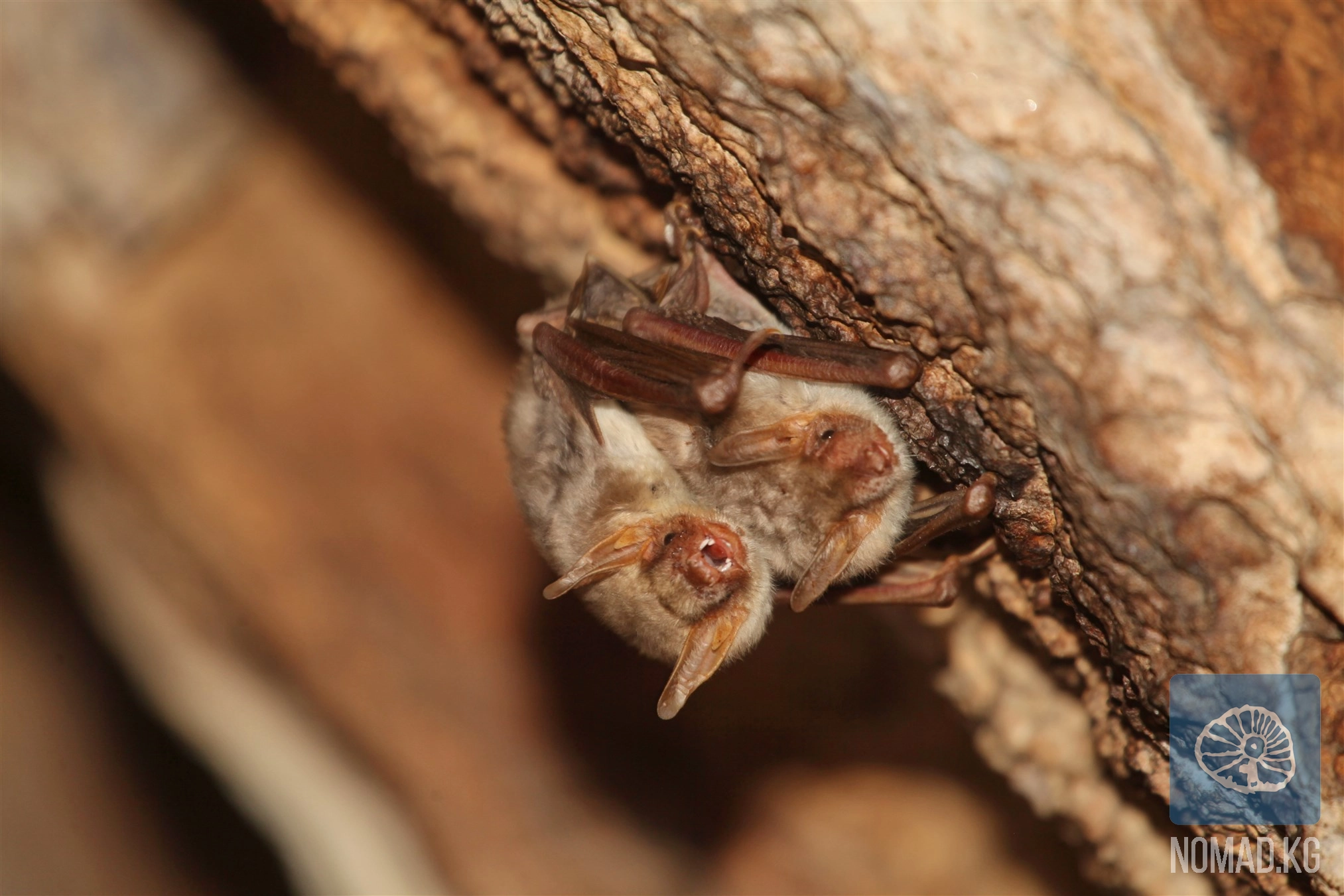
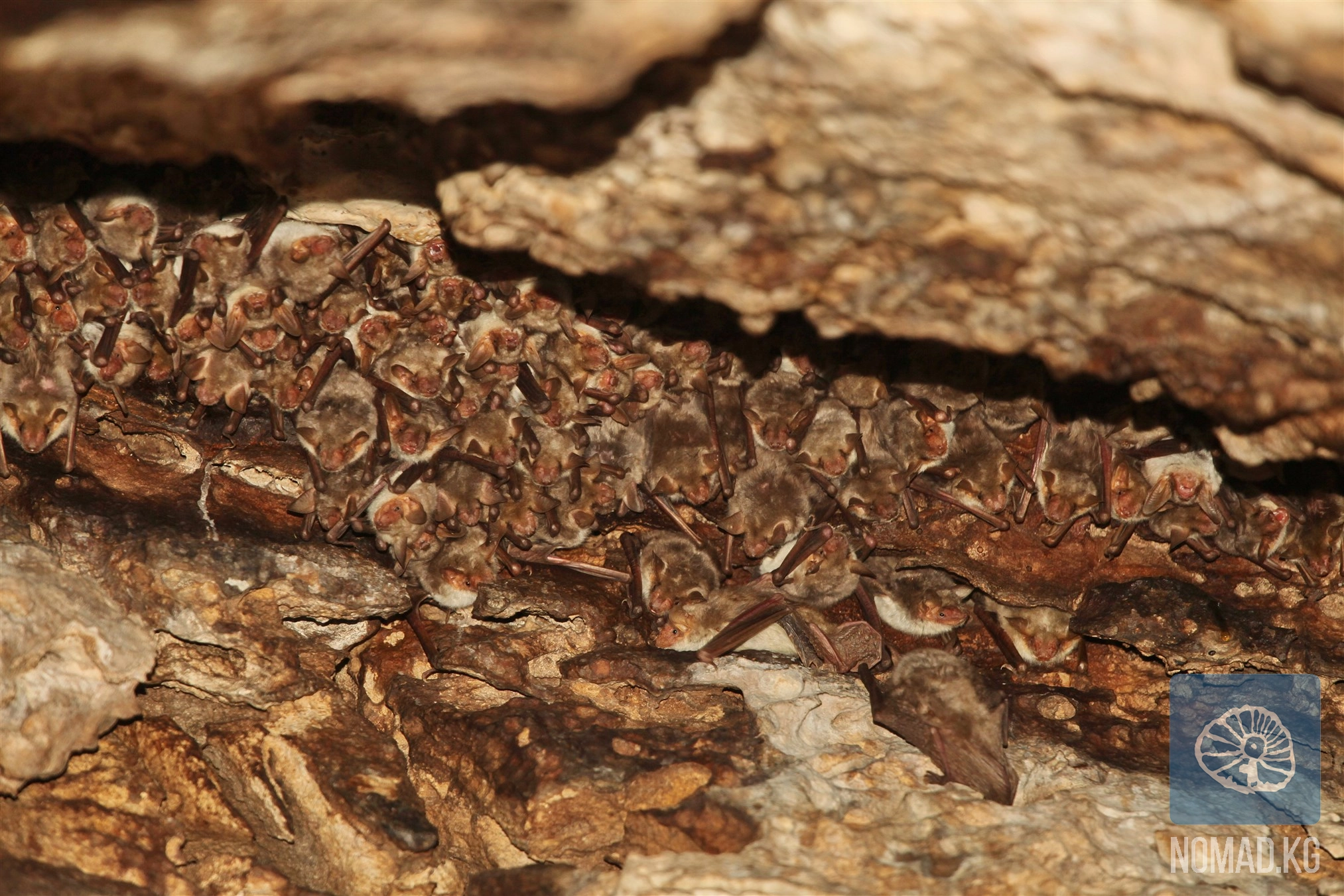
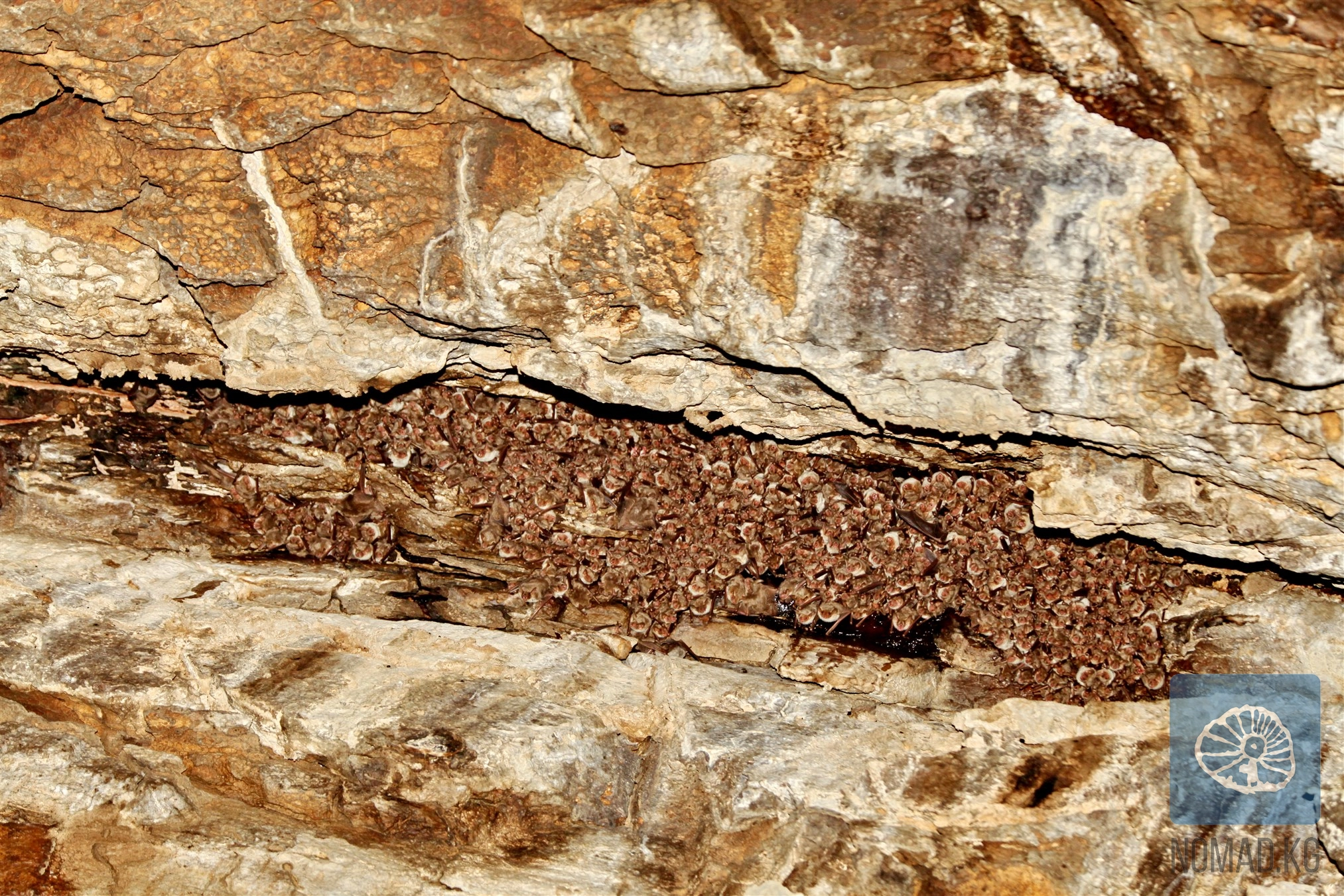
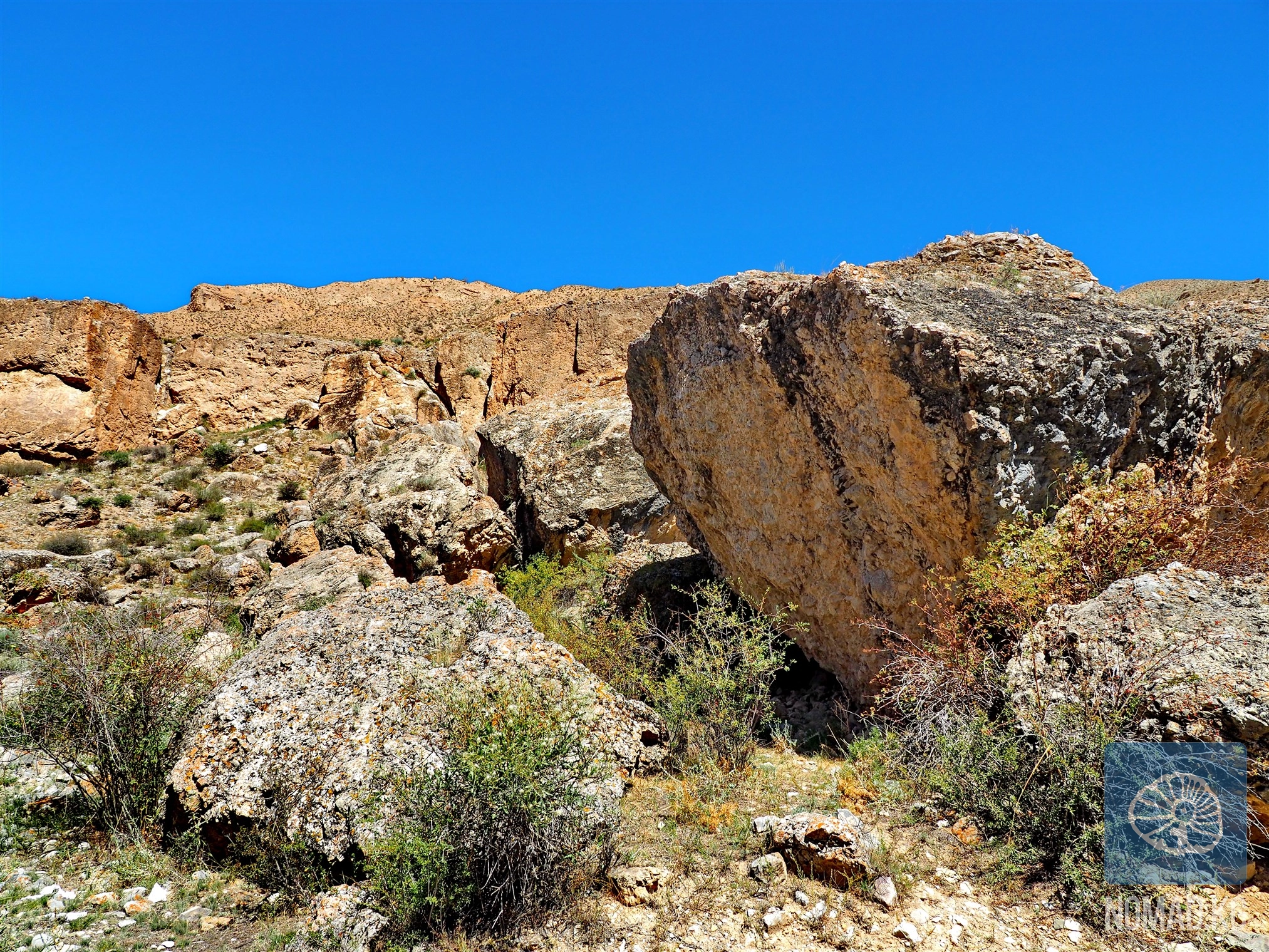
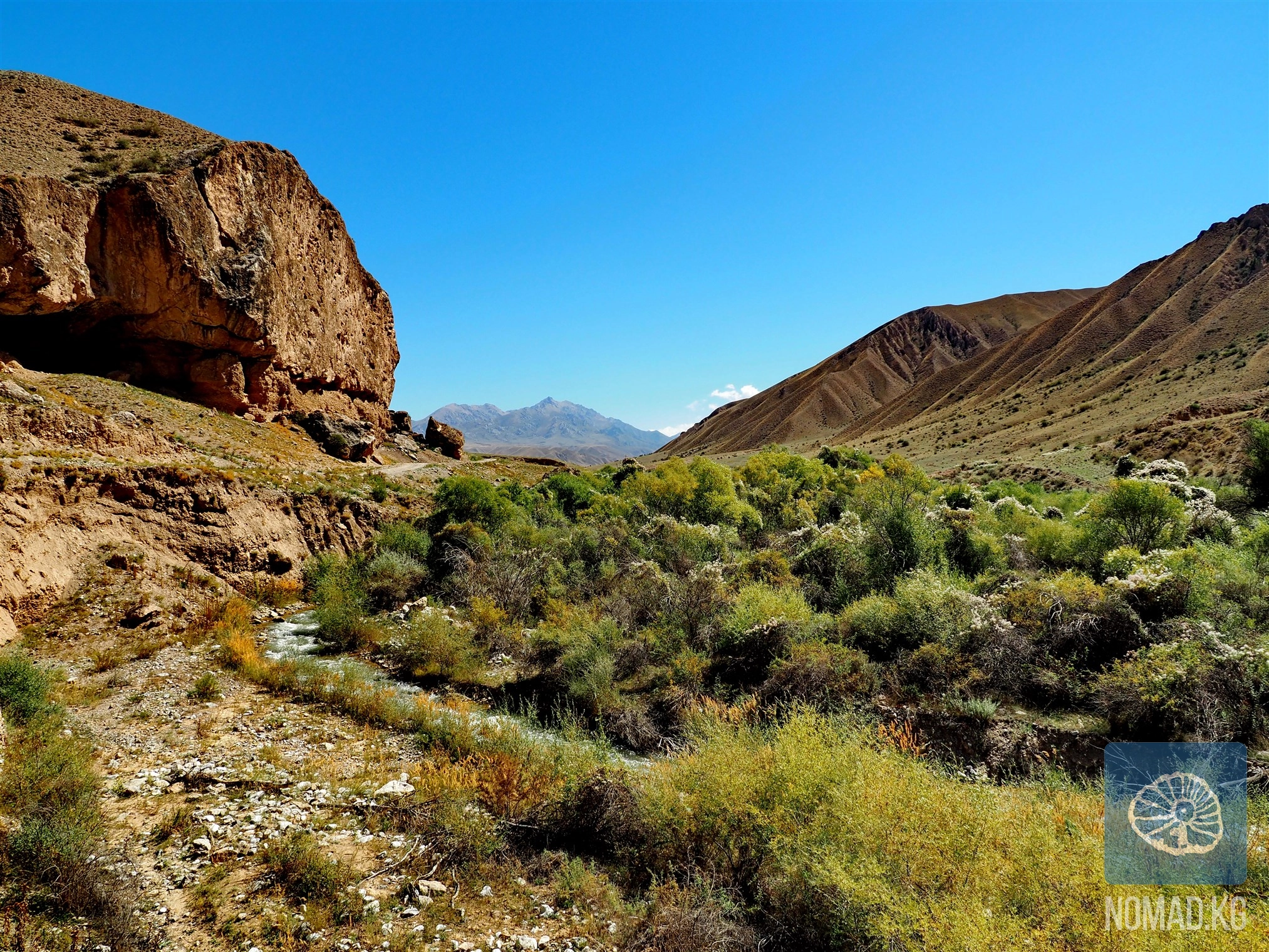
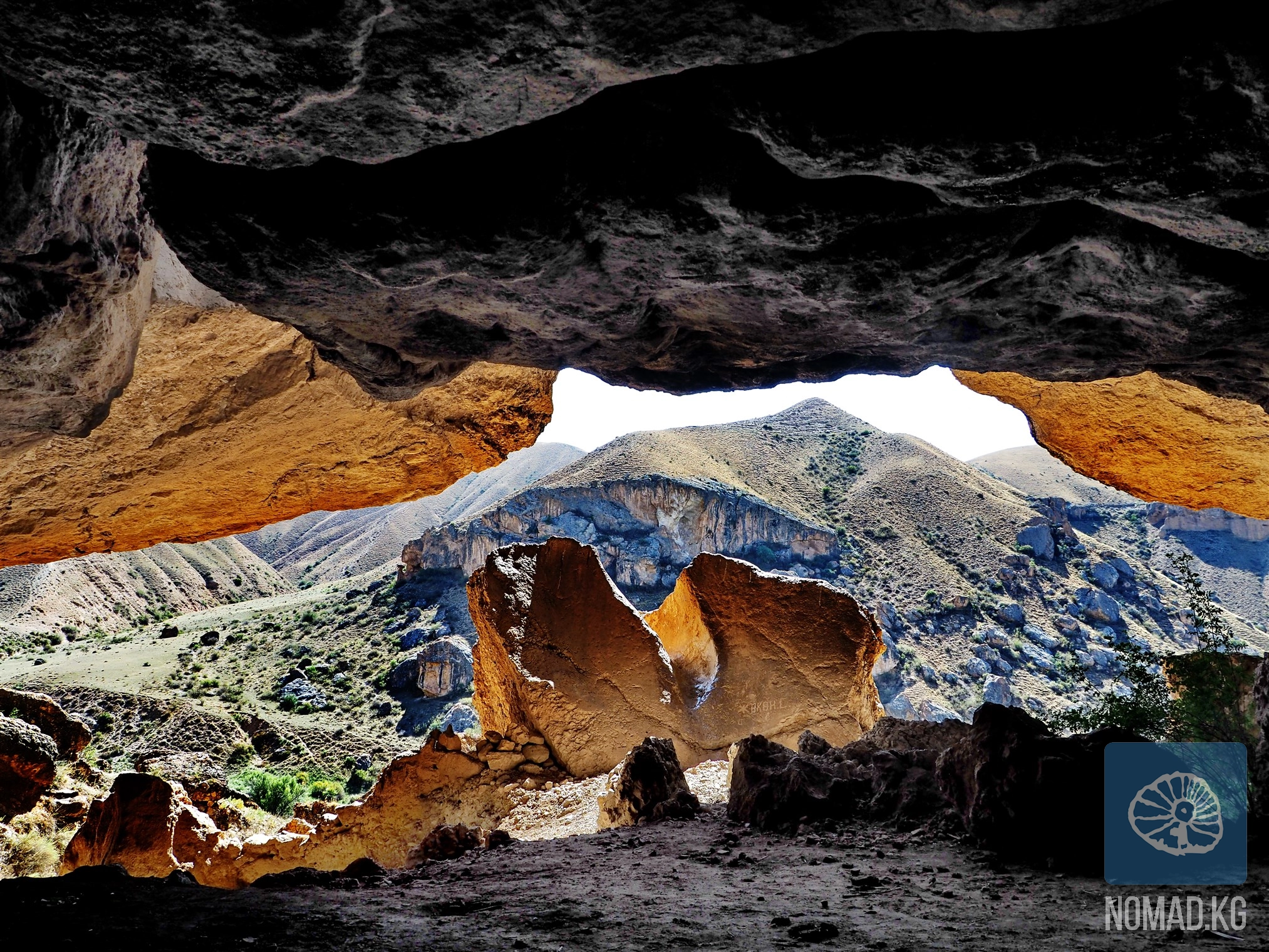
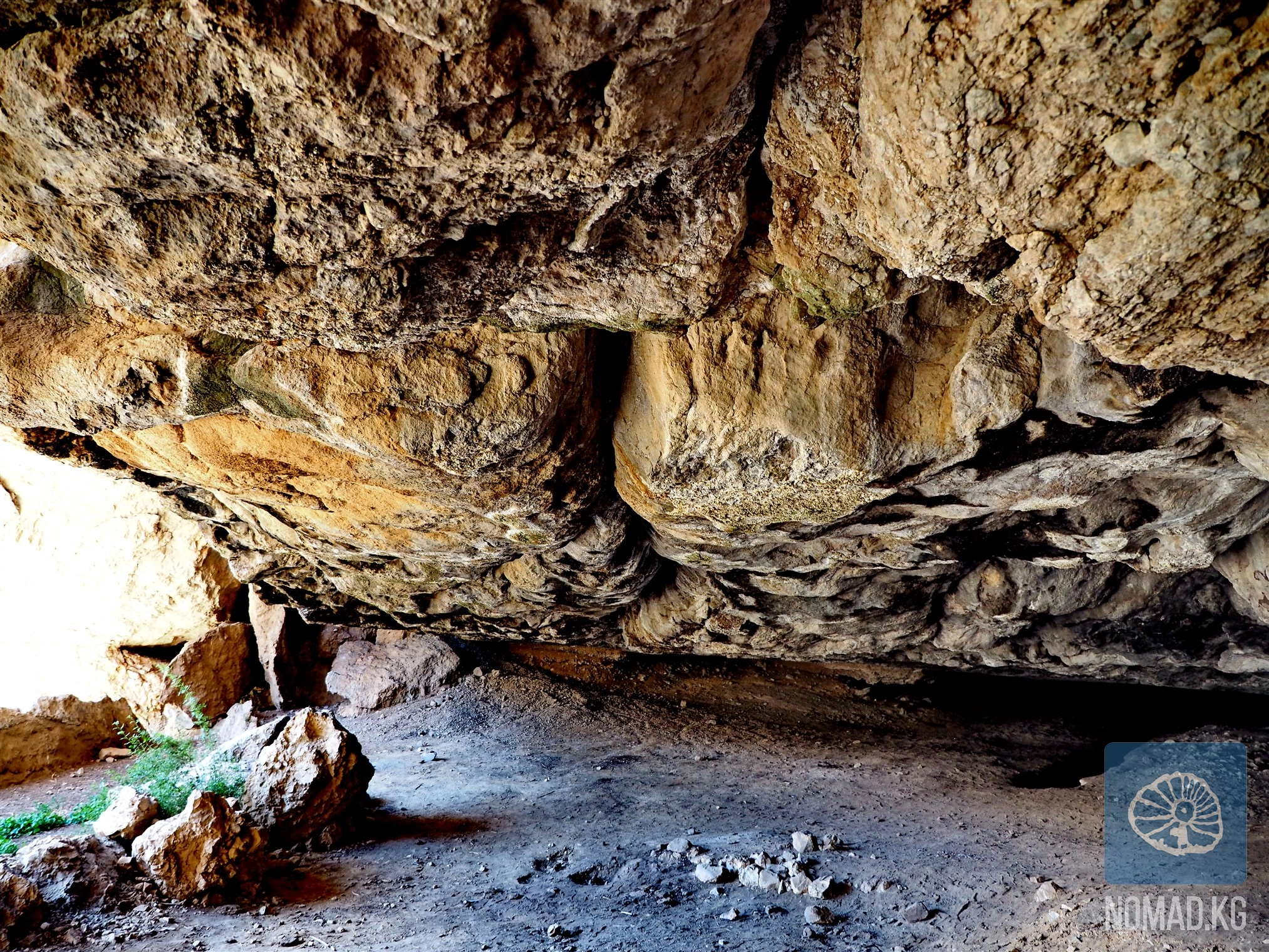
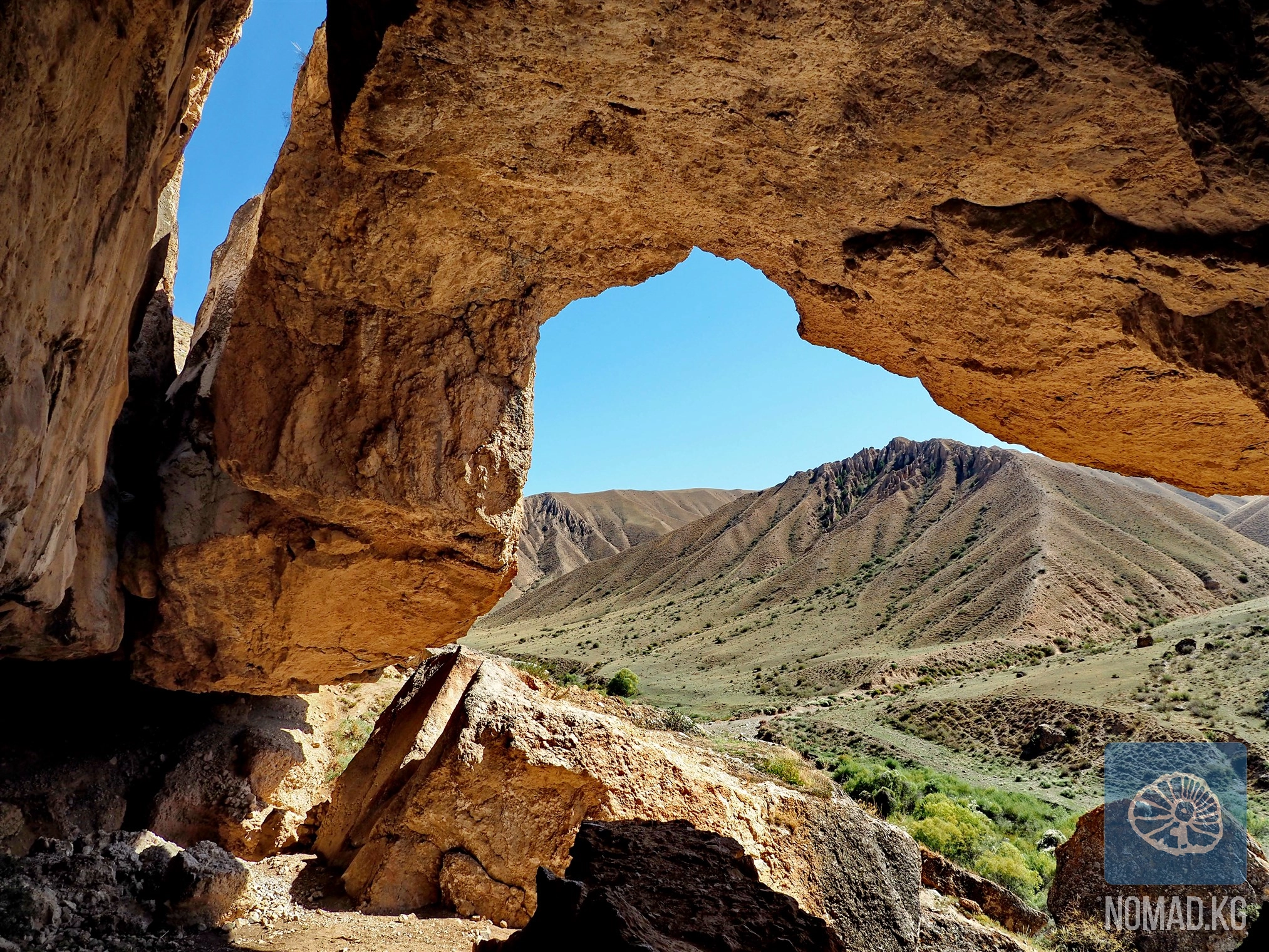
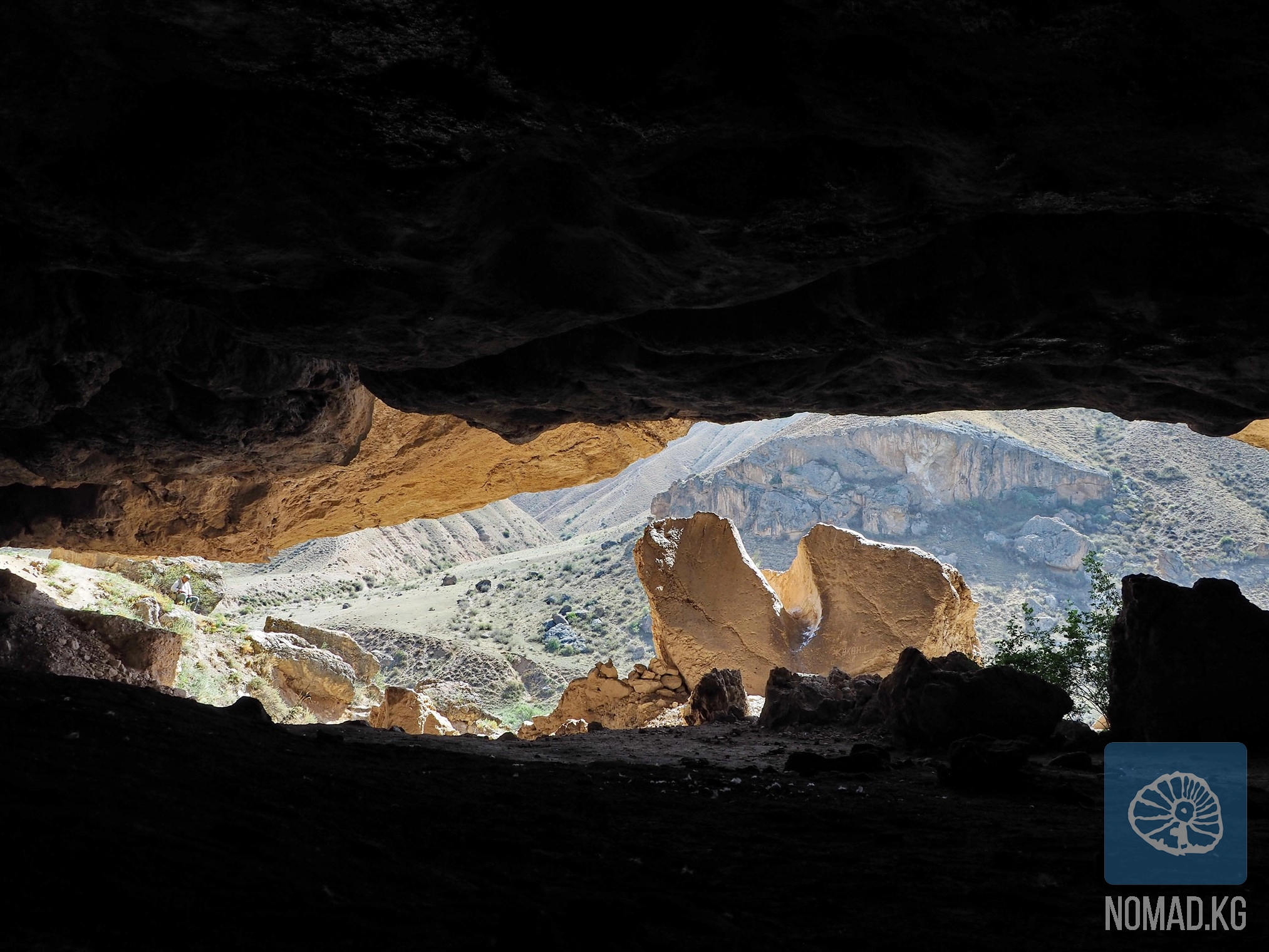
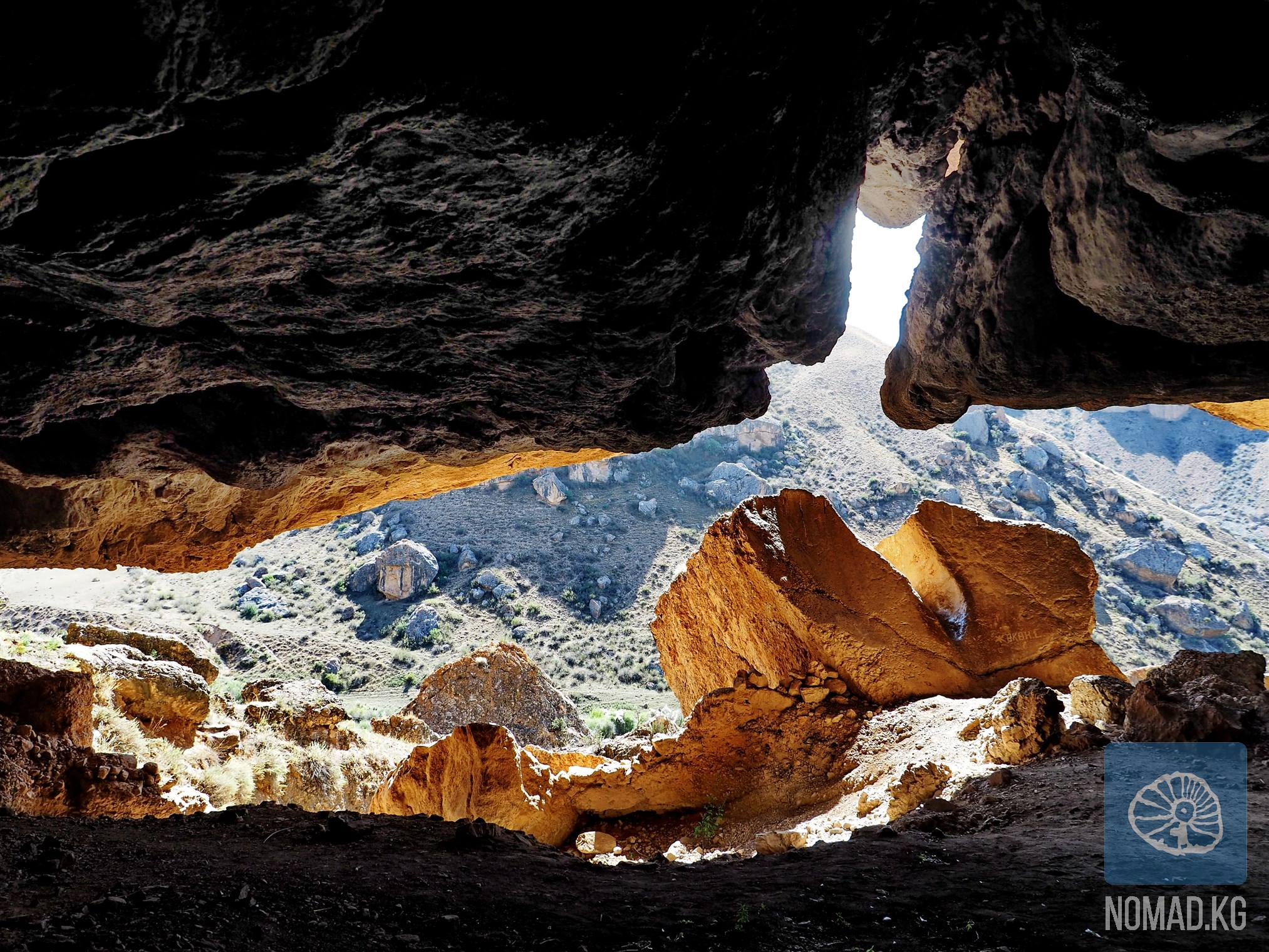
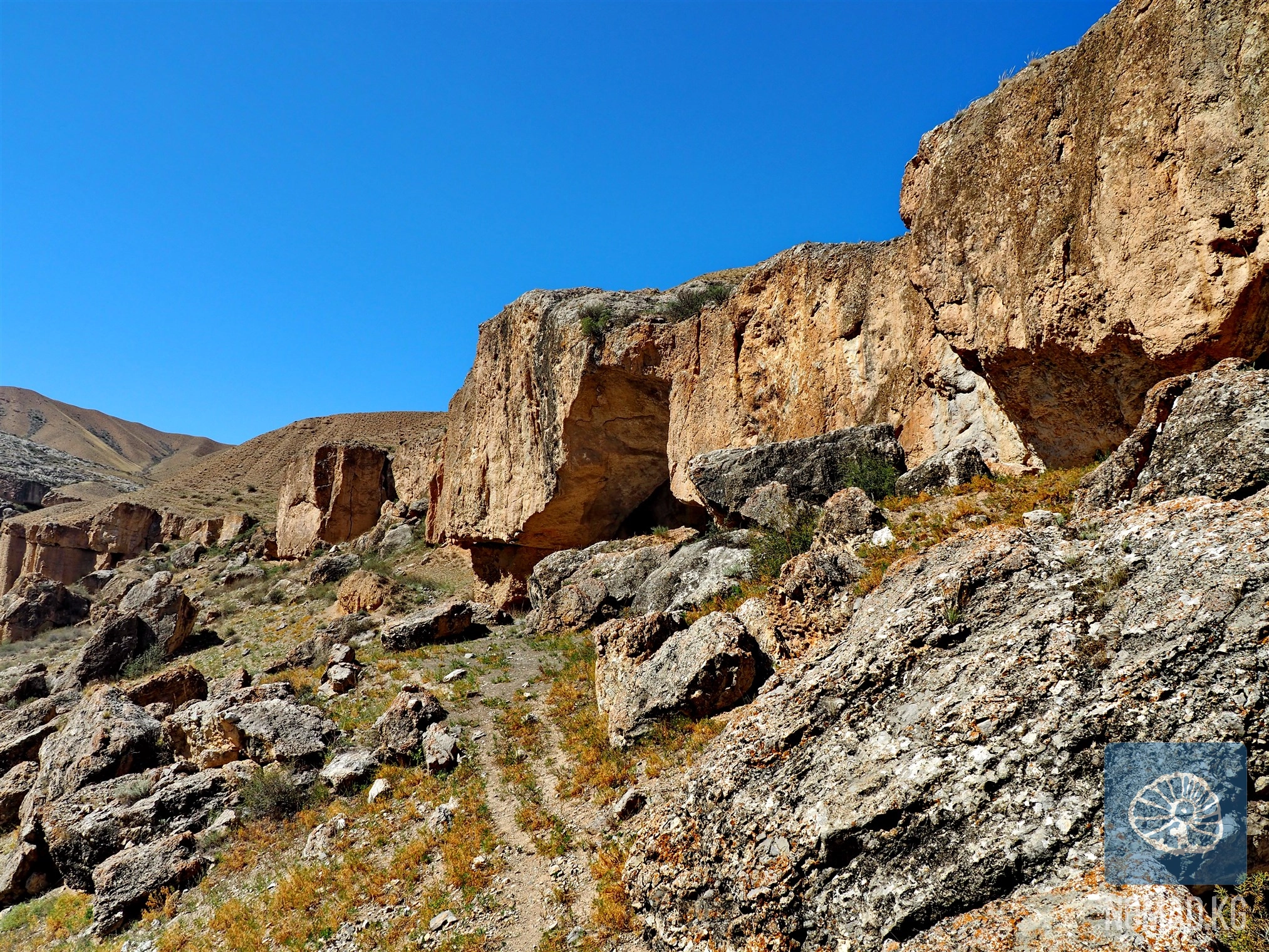
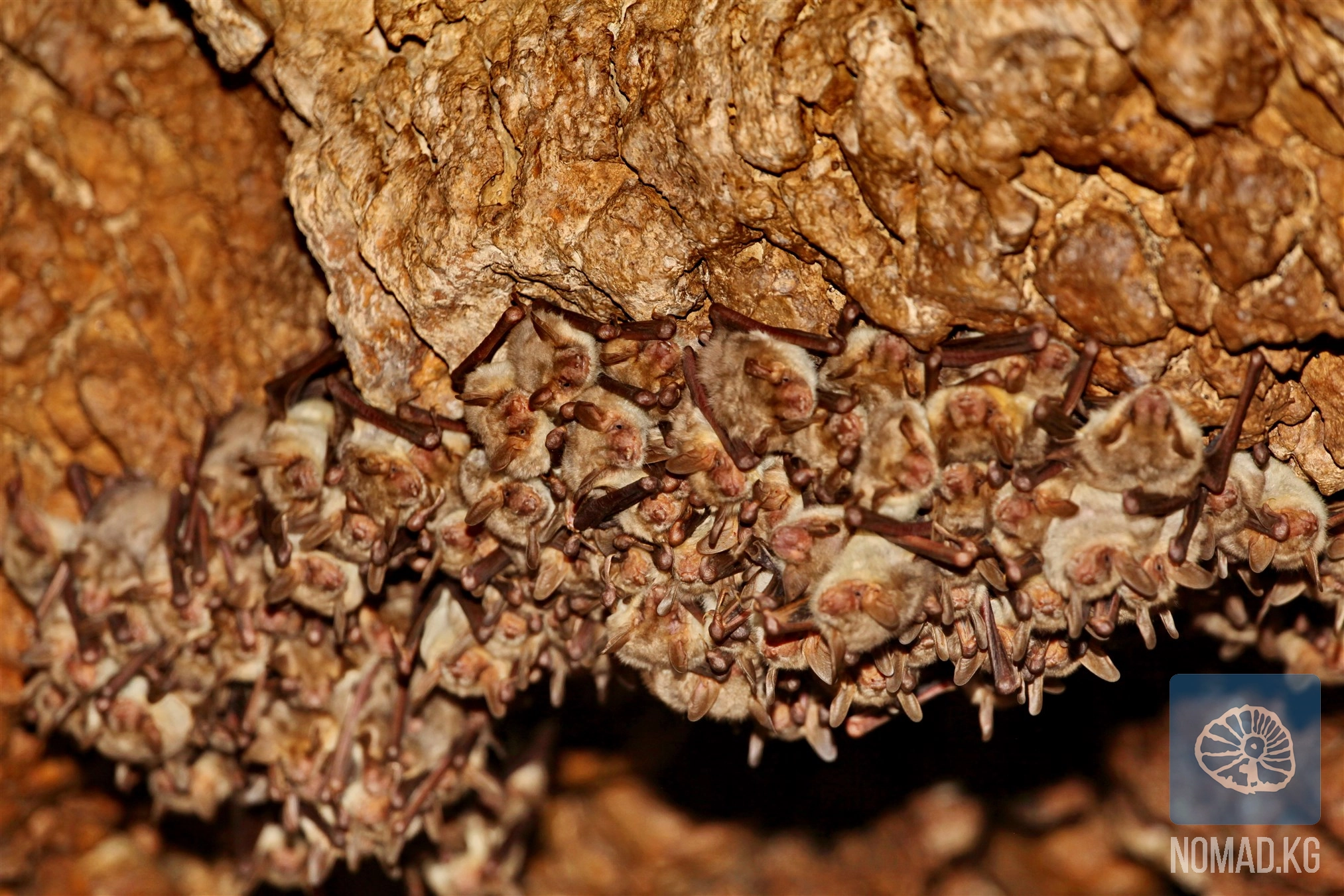
Among the picturesque mountains of the Bakai-Ata district, not far from the village of Urmaral, lies one of the most mysterious and revered places in the Talas region - the Kara-Koyun cave. This is not just a dark niche in the rocky mass, but a sacred space where nature and legends meet. The name "Kara-Koyun," which translates from Kyrgyz as "Black Hollow," perfectly conveys the atmosphere of the place: a cool, deeply penetrating darkness within the mountain, drops of salty water falling from the ceiling, and a sense of ancient presence, as if the mountain itself has been guarding its secrets for centuries.
The cave is located at an altitude of about 1600 meters above sea level, in the central part of the Talas Ala-Too - where the Talas and Bakai-Ata districts converge. The Kara-Koyun valley is a true gift for eco-tourists: it boasts a unique microclimate that keeps it cool and fresh even in the height of summer. The air is filled with the aroma of wild apple trees, wild currants, hawthorn, and barberry, while the surrounding gorges are covered with dense thickets of shrubs and pointed spruces. The Kara-Koyun river, winding through the gorge, creates an incredibly harmonious landscape - an ideal backdrop for hiking, picnics, and small excursions to the cave.
When is the best time to visit Kara-Koyun: From May to September, the trails are dry, the weather is warm, and the greenery is at its peak. In winter, the approaches may be blocked by snow, and in spring, the slopes become slippery due to melting. Travelers, especially those visiting these areas for the first time, should take advantage of local guides - they know all the paths and can share stories that you won't find in any guidebook.
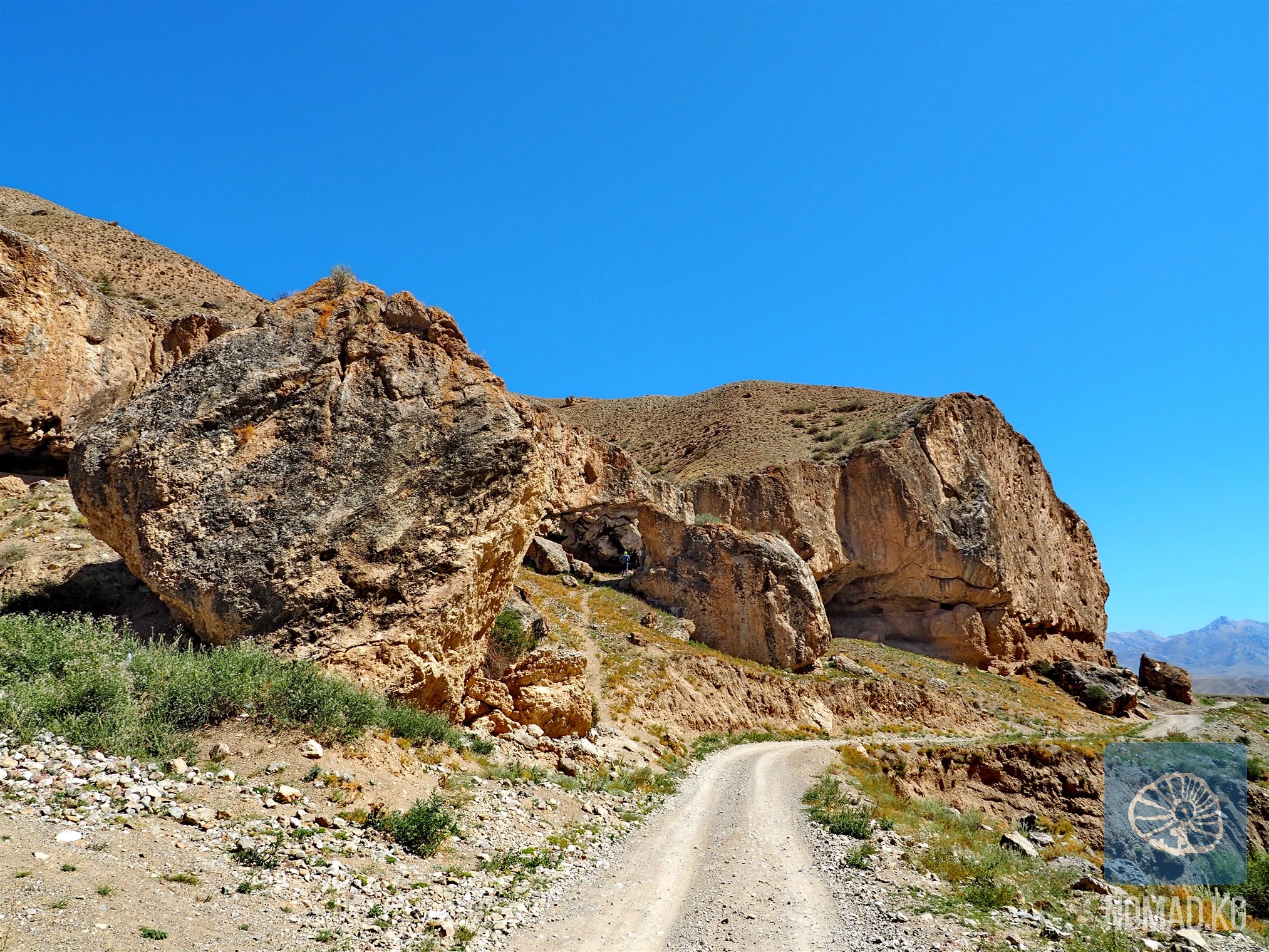
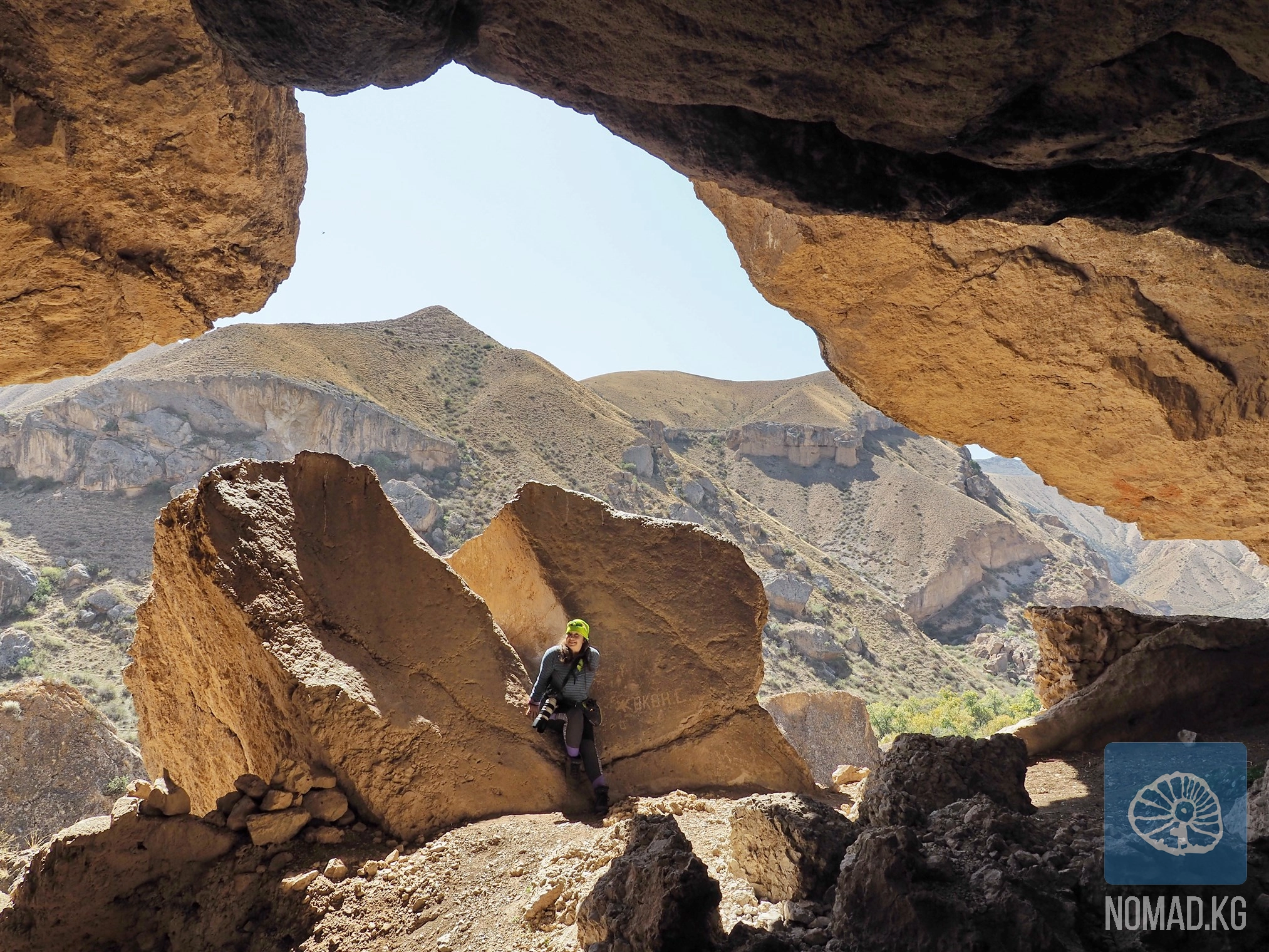
The first thing a traveler will see is a huge stone at the entrance: a three-meter monolith about a meter high and half a meter wide. It stands like an ancient guardian, allowing entry only to those who come with respect and an open heart.
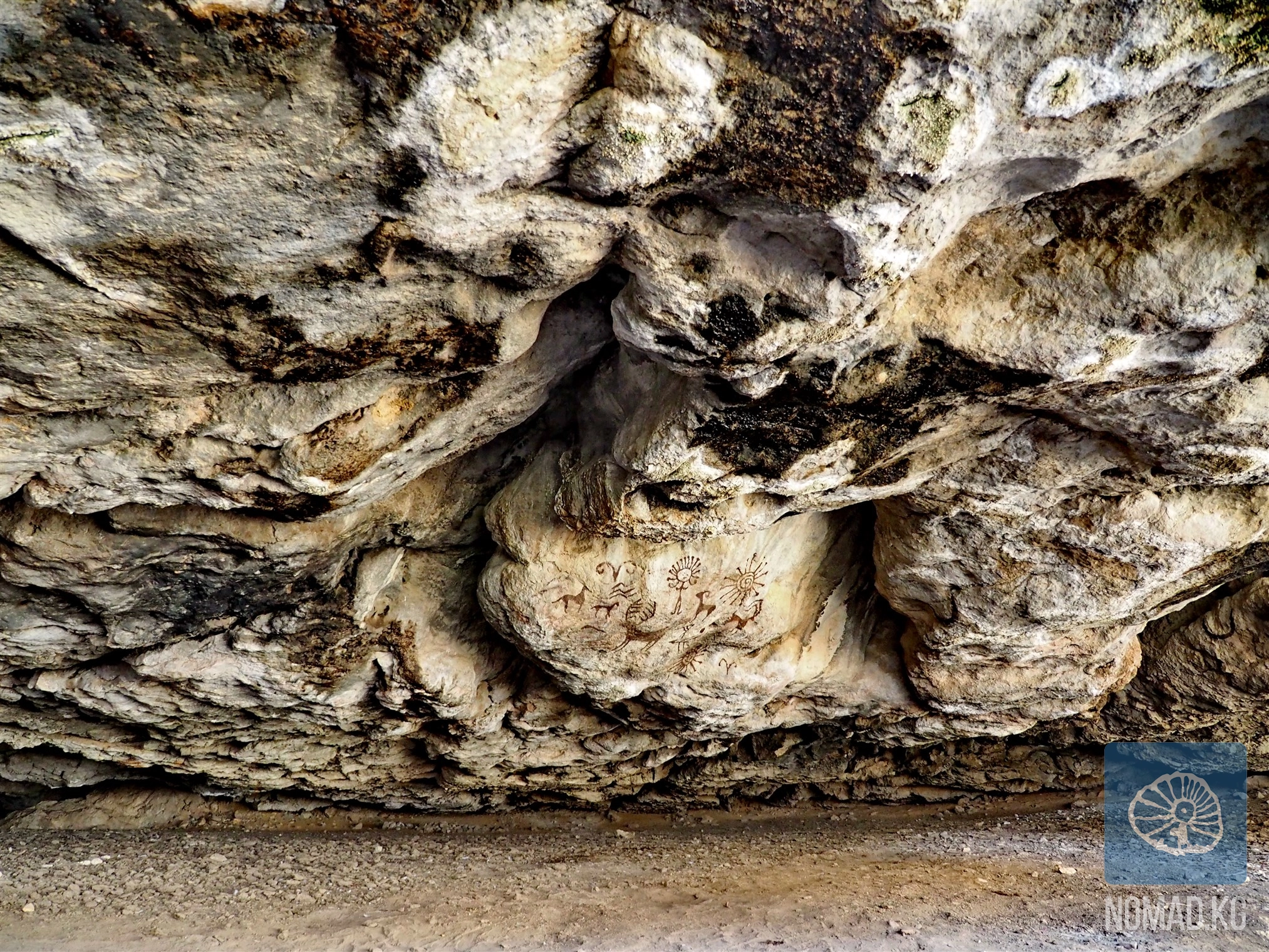
The height of the arch at the entrance is about three meters, but the deeper you go, the lower the vault descends. In some places, you have to bend down, and in the narrowest spots, you must move almost on all fours. The total length of the cave is small - about 20-30 meters, but its atmosphere leaves a much greater impression than its scale: the cool air (around +10–15°C), the echoing footsteps, and the drops of water quietly trickling from the ceiling.
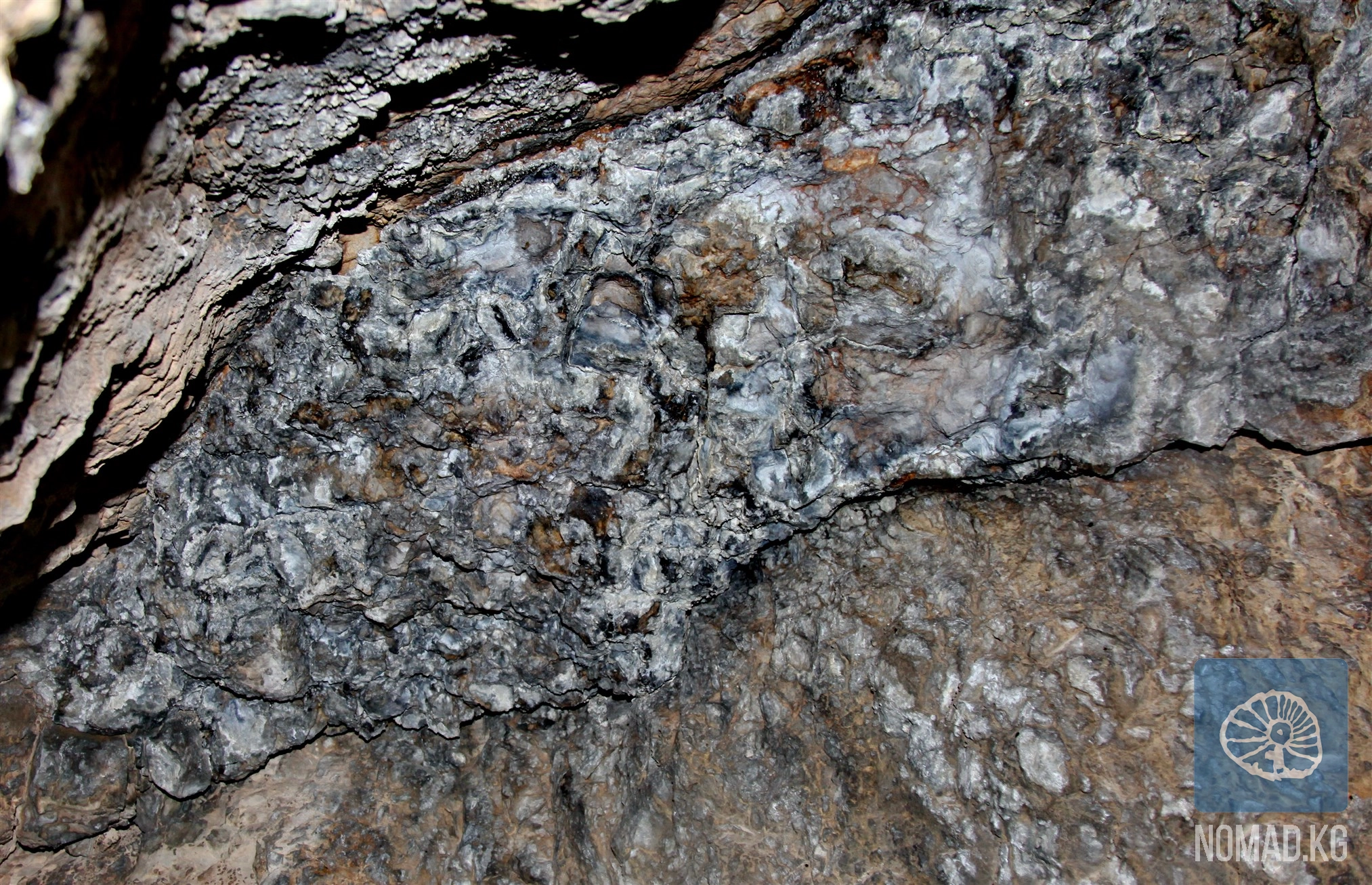
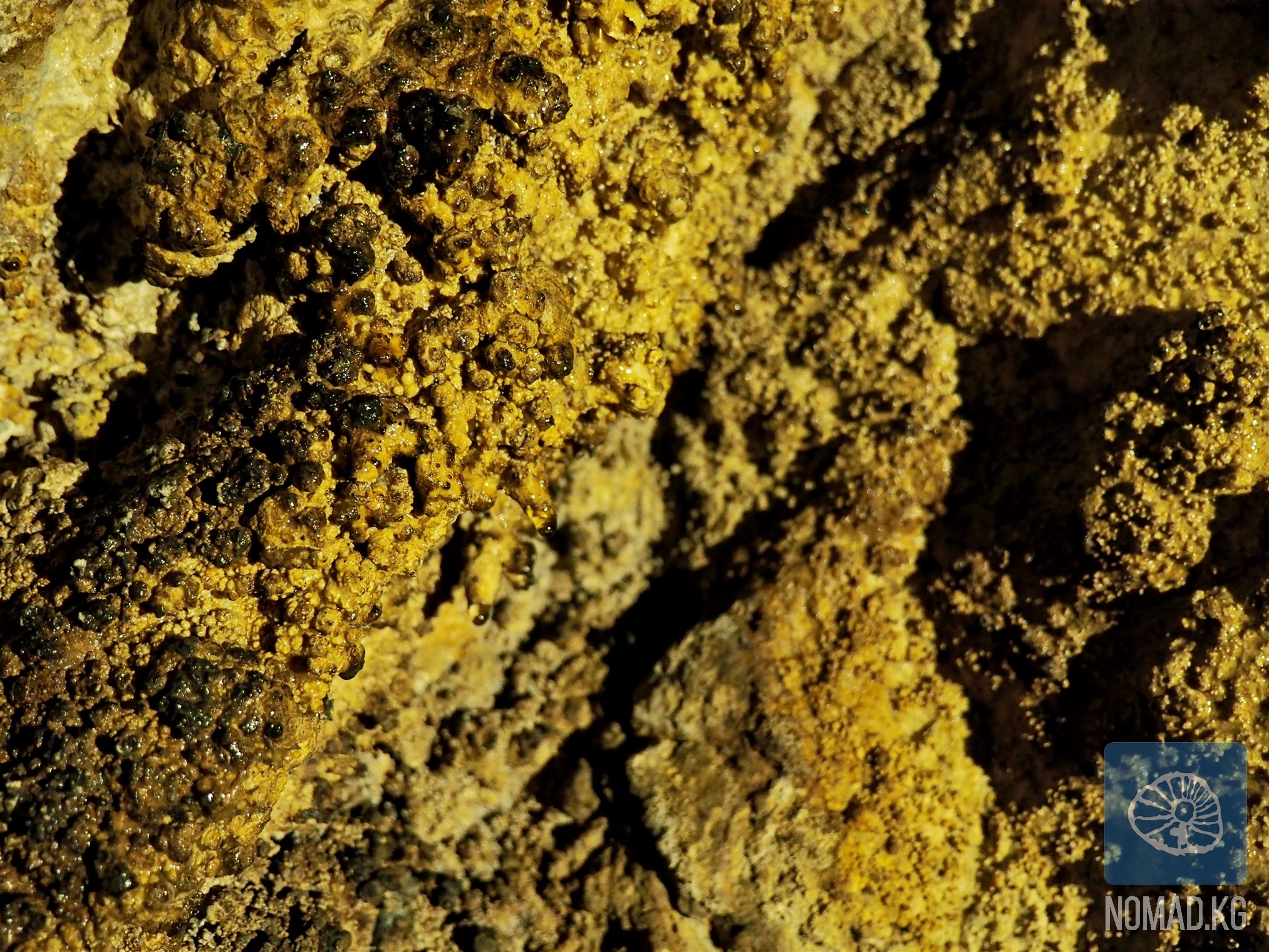
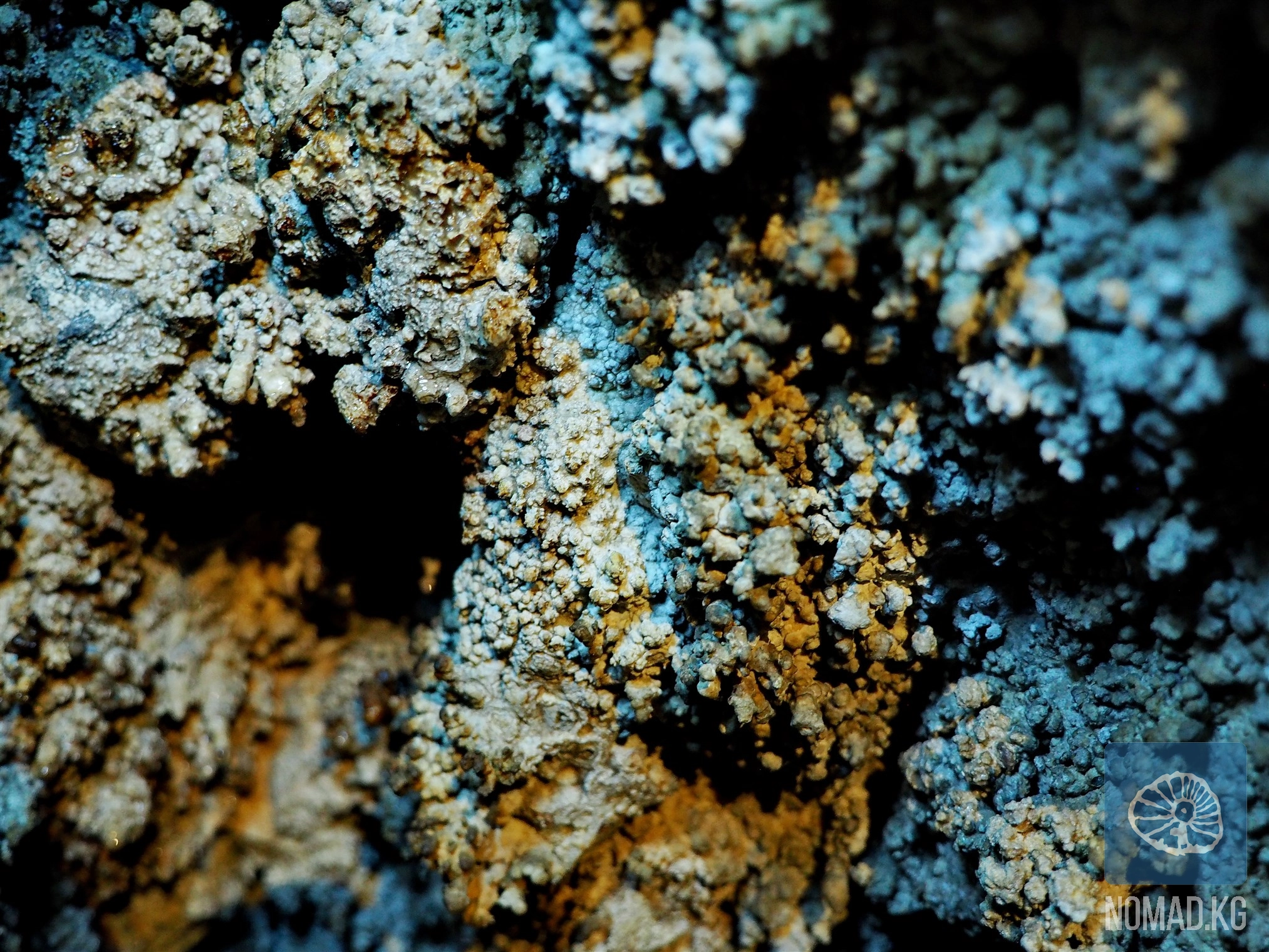
The main feature of Kara-Koyun is the salty water that constantly drips from above. Part of the ceiling is covered with natural mumiyo, and locals believe that the water has healing properties. Some collect it for treatment, while others only try a drop on their tongue to feel a connection with the ancient power of the earth.
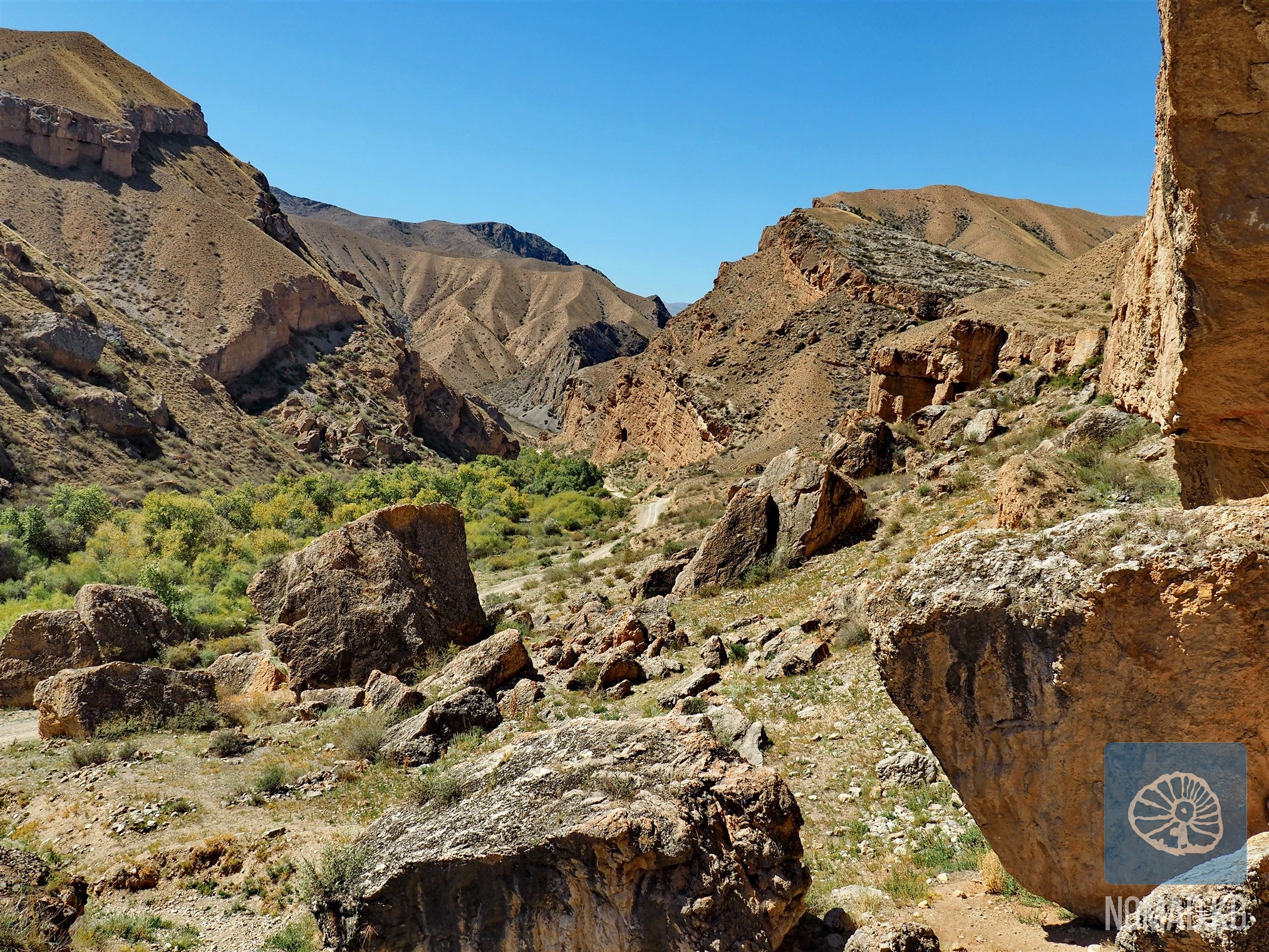
Scattered around the cave are numerous huge stones - yellow boulders and dark rocks with natural bowl-shaped depressions. Many of them collapsed during the powerful earthquake of 1950, adding a special dramatic quality to the landscape. The stones rise 10–15 meters above the road, forming a semblance of a natural amphitheater.
Kara-Koyun is one of those places that locals refer to as a mazar, a sacred point. There is no official caretaker, but everyone who comes tries to treat the place with respect. People say that here "the stones can hear," and therefore - do not shout, make noise, or leave trash.
There is a legend that once there were underground tunnels extending from the cave. One passage led towards Besh-Tash, another towards Kök-Tash. Earthquakes, according to the elders, blocked these routes, but legends about them remain. Imagine: ancient nomads could have used underground routes for movement or shelter in times of danger - a story worthy of a page in an epic.
Another legend relates to the times of collectivization. In the 1920s and 1930s, many affluent families, fleeing collectivization, would escape through the mountains towards Toktogul, taking their valuables - furs, silver, gold - with them. According to beliefs, part of the treasures was hidden in the Kara-Koyun cave, where they remain to this day.
What to take with you: a flashlight or headlamp; sturdy sneakers or trekking boots; a light jacket - it’s cooler inside than outside; drinking water.
Do not venture far without a guide; be careful - the stones can be slippery; do not touch the mumiyo and cave vaults unnecessarily; do not leave trash - the place is sacred; if you are traveling with elderly people or children, limit yourself to external inspection.
Why you should visit Kara-Koyun: it is a unique natural site with its own microculture; one of the few sacred places in Talas that has remained in its pristine form; strong energy and unusual atmosphere; a combination of adventure, history, and spirituality; a convenient route that can easily be incorporated into a trip through central Talas.
The Kara-Koyun cave is not just a point on the map. It is a portal to a world where ancient stories intertwine with natural beauty, and the mountains seem to speak to those who are ready to listen. Here, you can feel the breath of Kyrgyzstan - calm, ancient, and wise. Visit this place, and perhaps one of its legends will reveal itself to you.
If there is a place in the Talas region that amazes from the very first step, it is the Talas Birch Grove - the largest man-made birch forest in all of Central Asia and one of those places where humans and nature have created a true oasis of
The Besh-Tash National Park, which translates to "Five Stones," stretches in a narrow chain along the Talas Ala-Too mountain range. On a good gravel serpentine road up the Besh-Tash river gorge, it feels like the car is about to hit the
In the Talas Valley, among the hills and green valleys, lies one of the most revered sacred places in the region - the mazar of Boo-Terek. Its name translates from Kyrgyz as "a bundle of poplars" or "many poplars," and this is no
The Ötmäk Pass (3326 m above sea level) is one of the most impressive places in the Talas region and an essential mountain artery connecting the closed Talas Basin with the expansive Suusamyr Valley and the strategic Bishkek-Osh highway. This is the
If you have already seen Lake Besh-Tash and think that the national park has revealed all its secrets to you, then you simply haven't yet ascended the Itagar Pass. This is the route after which photos remain in your phone's memory that you
In the very heart of the picturesque Talas region, amidst the rugged gorges of the Bakai-Ata district, lies one of the most unusual natural wonders of Kyrgyzstan - the "Kara-Kishi" geopark. This place seems to exist outside of time: the
In the Talas Valley, there is a place where legends come alive at every step, and the silence of the mountains speaks louder than any storyteller. This is the Besh-Tash Gorge - one of the most picturesque and symbolic natural spaces in Kyrgyzstan.
The Talas Geopark "Echkilі-Tuu" is located in the mountain range of the same name, Echkilі-Tuu, which is part of the Kyrgyz Ala-Too ridge, in the Sary-Kuurai gorge, one of the most impressive natural attractions of Kyrgyzstan. This geopark
In the very heart of the blessed Talas Valley, where the silvery Talas River leisurely carves its path between two majestic mountain ranges - the Talas and Kyrgyz ranges - lies a unique natural oasis. The Talas Forest is not just a green stripe on
The Besh-Tash Nature Park covers over 30,000 hectares, stretching nearly 30 kilometers upstream along the river of the same name - from the gentle foothills at an altitude of 1,100 meters to the harsh, cold glaciers rising to 3,500 meters. The park
Just thirty minutes by car and ten minutes on foot from Talas lies an amazing place - the Kulaan-Sai mine, one of the most accessible old workings for lead ore extraction in the region. At first glance, an ordinary mountain gorge, Kulaan-Sai
On the strategic route from Bishkek to Osh, at the turning point towards the road leading to the Otmak Pass (3332 m) and further into the Talas region, lies one of the most recognizable places along the entire route - the so-called "Gates of