

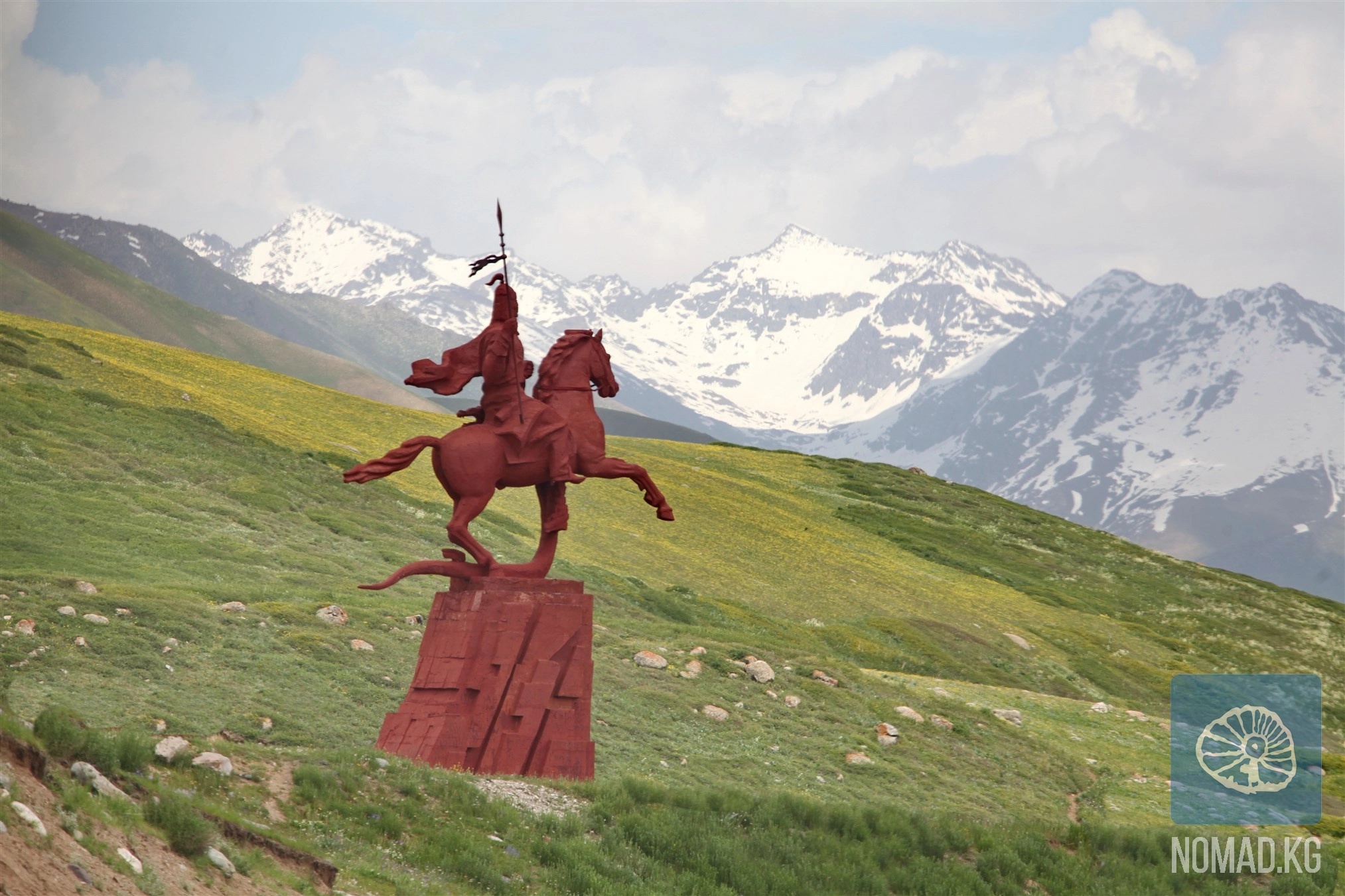
The high mountain passes of Suusamyr do not tolerate haste. Its meadows, rivers, and slopes exist at their own pace. The grass grows slowly here, trees take years to settle in, and any human intervention leaves a lasting mark. When you stand at this height, you inevitably recall the lines of Chinghiz Aitmatov: “Plant a seed in me - and I will reward you with fruits.” This is not just a dialogue between Tolgonai and Mother Earth. It is a formula of trust upon which our world rests. That is why the idea of forest restoration in such a place seems almost audacious - and at the same time deeply logical.
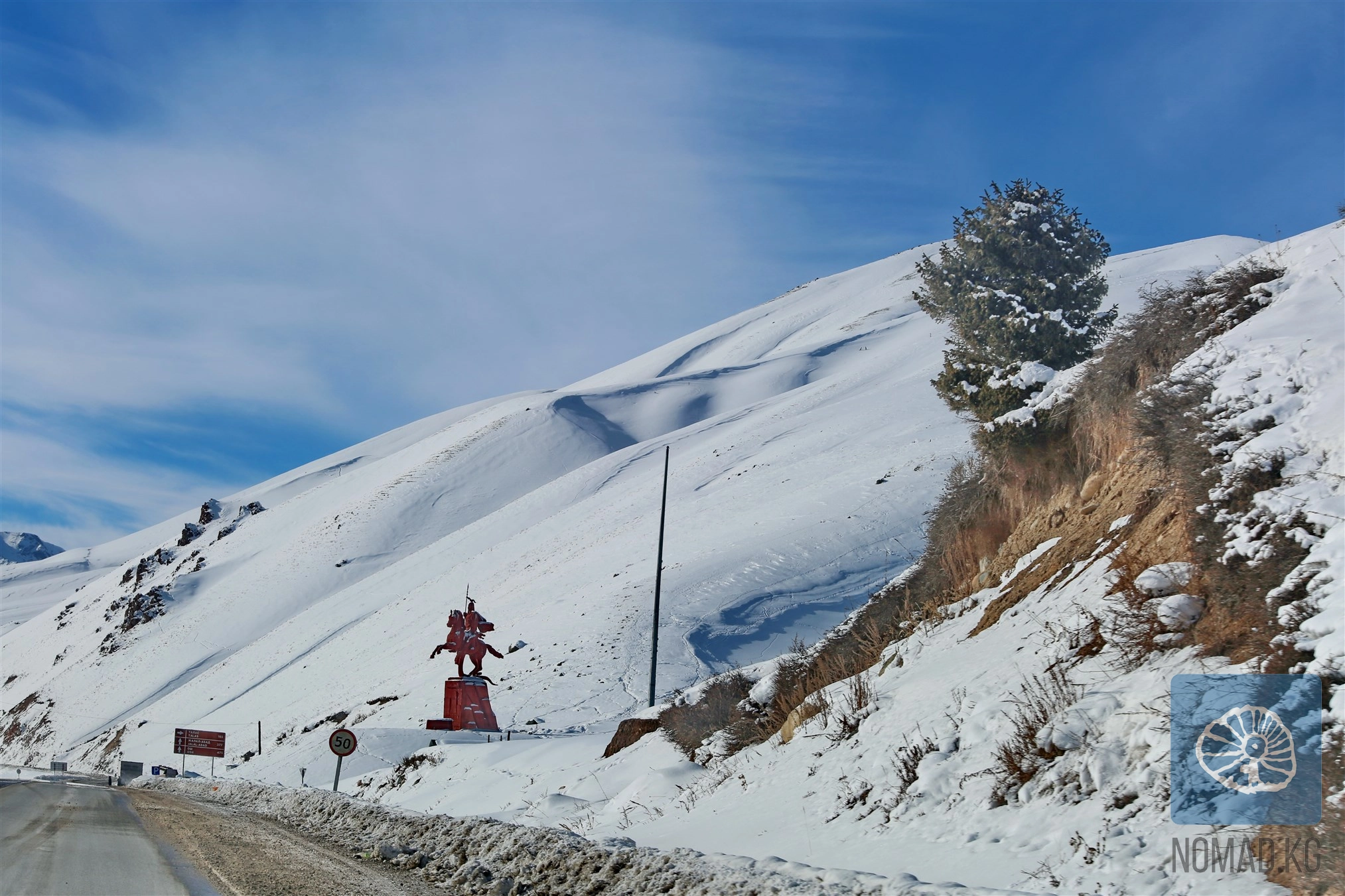
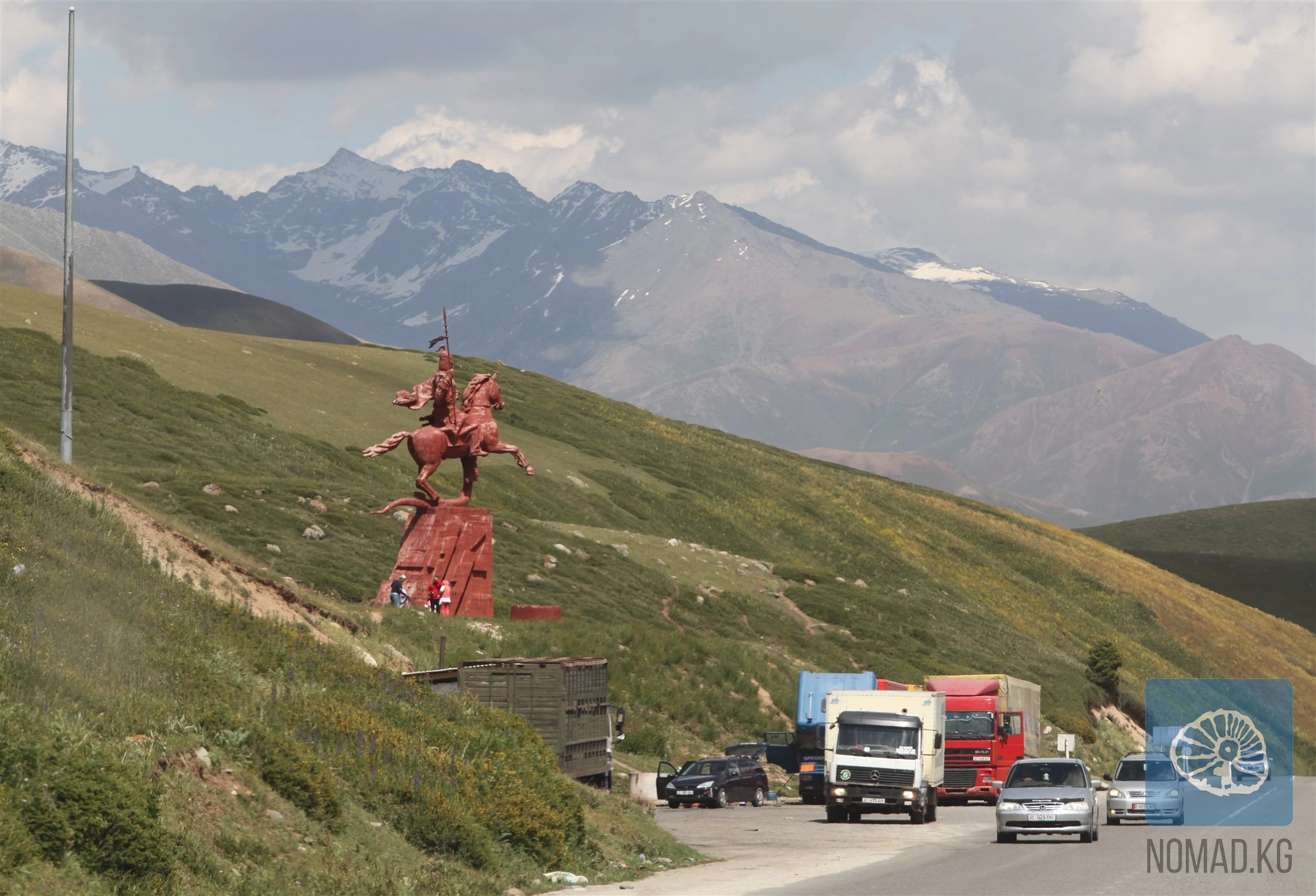
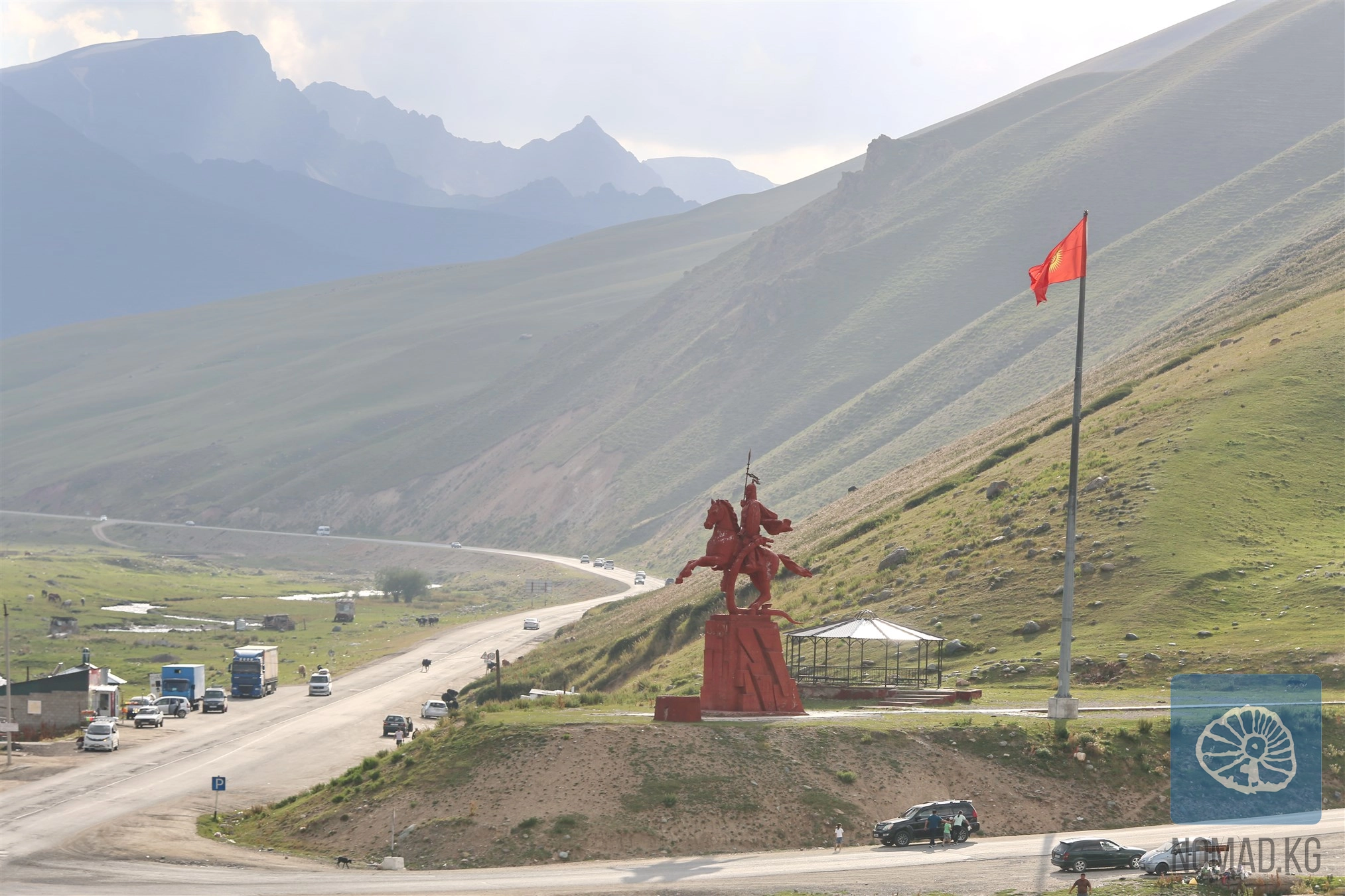
Ötök is a high mountain pass, and its very name translates from Kyrgyz as “pass,” “crossing,” “place of transition.” This definition remarkably captures its essence. Since ancient times, Ötök has been part of the nomadic routes from Talas to other regions of the country. Through it, livestock was driven, caravans traveled, and seasonal migrations took place. It is not a place of stopping - it is a place of movement. But it is here that nomads always paused briefly: to water their horses, let people rest, and feel the weather. Geographically, the pass is located in the upper reaches of the Suusamyr Valley - one of the most vulnerable yet majestic high mountain areas of Kyrgyzstan. Here, the climate is sharply continental, with long winters, short summers, and a unique ecosystem that has developed over millennia.
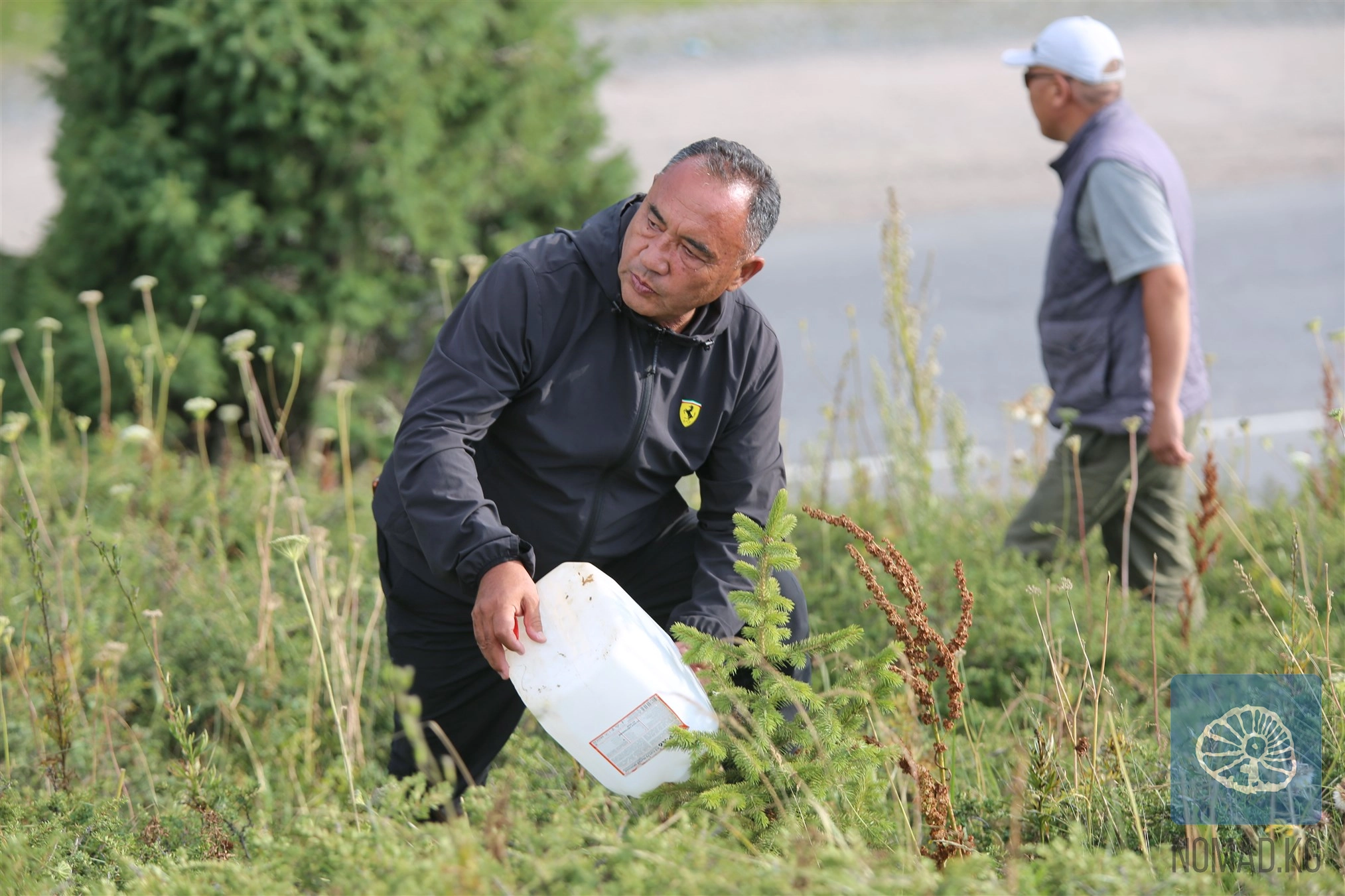
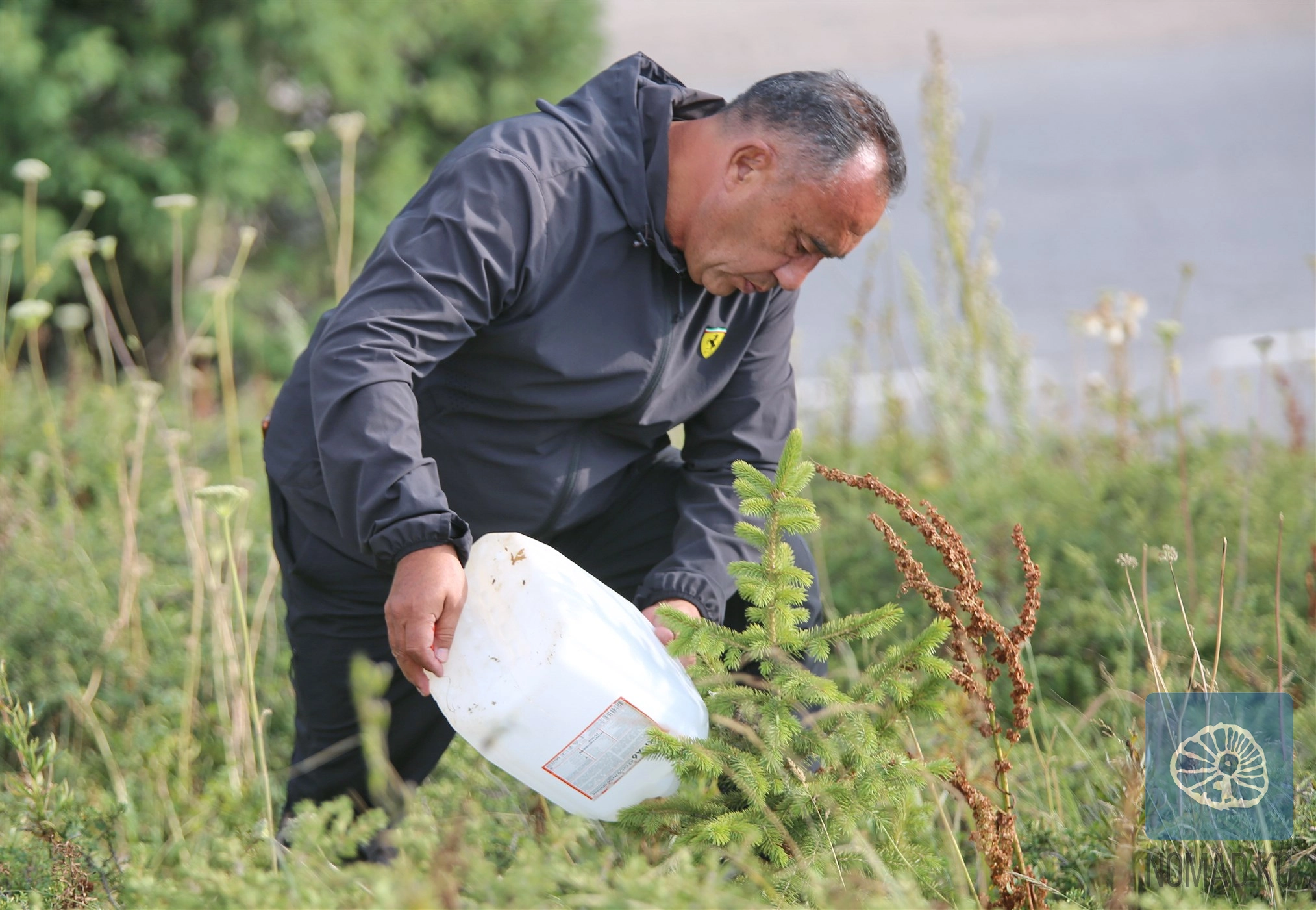
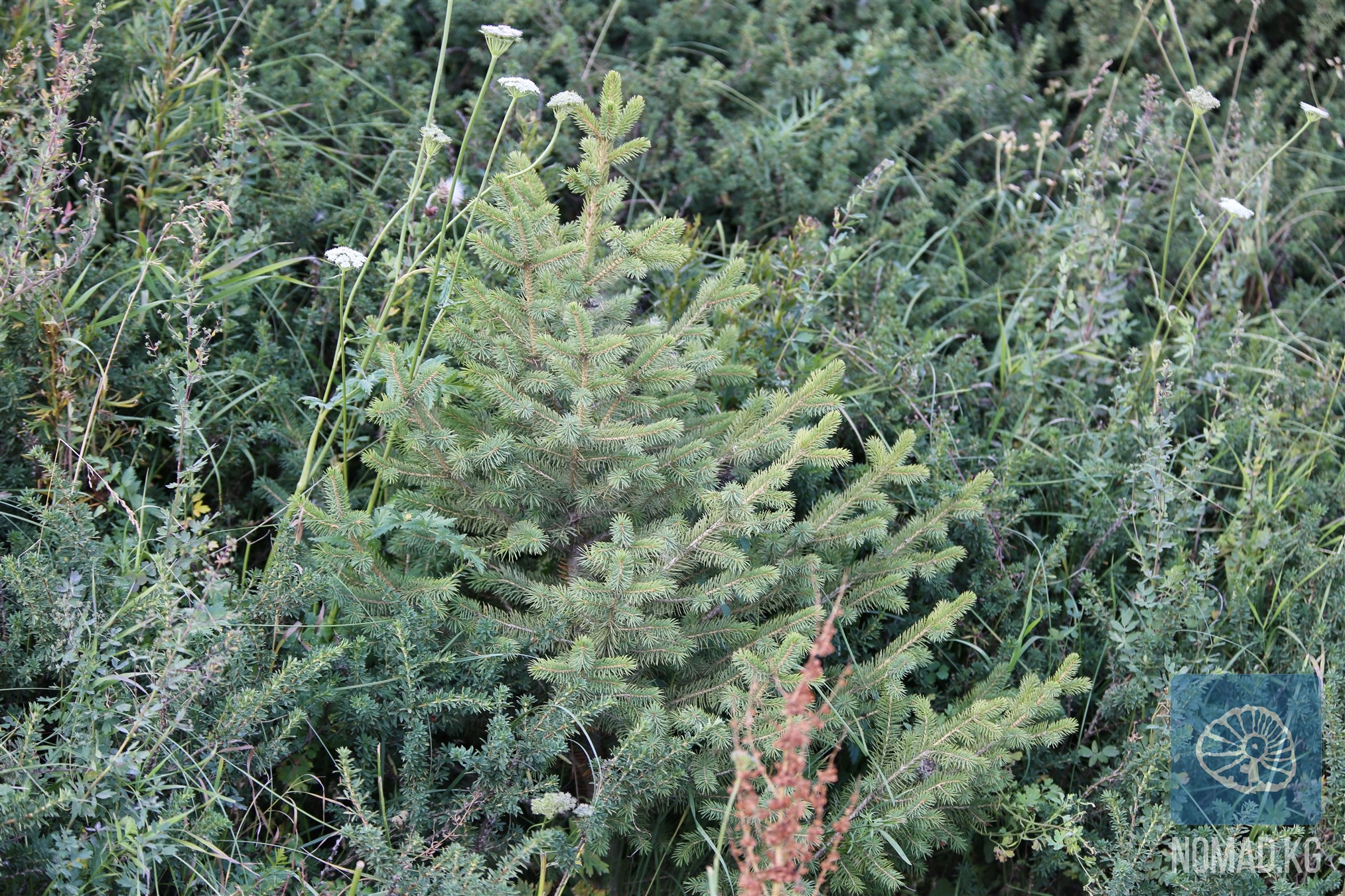
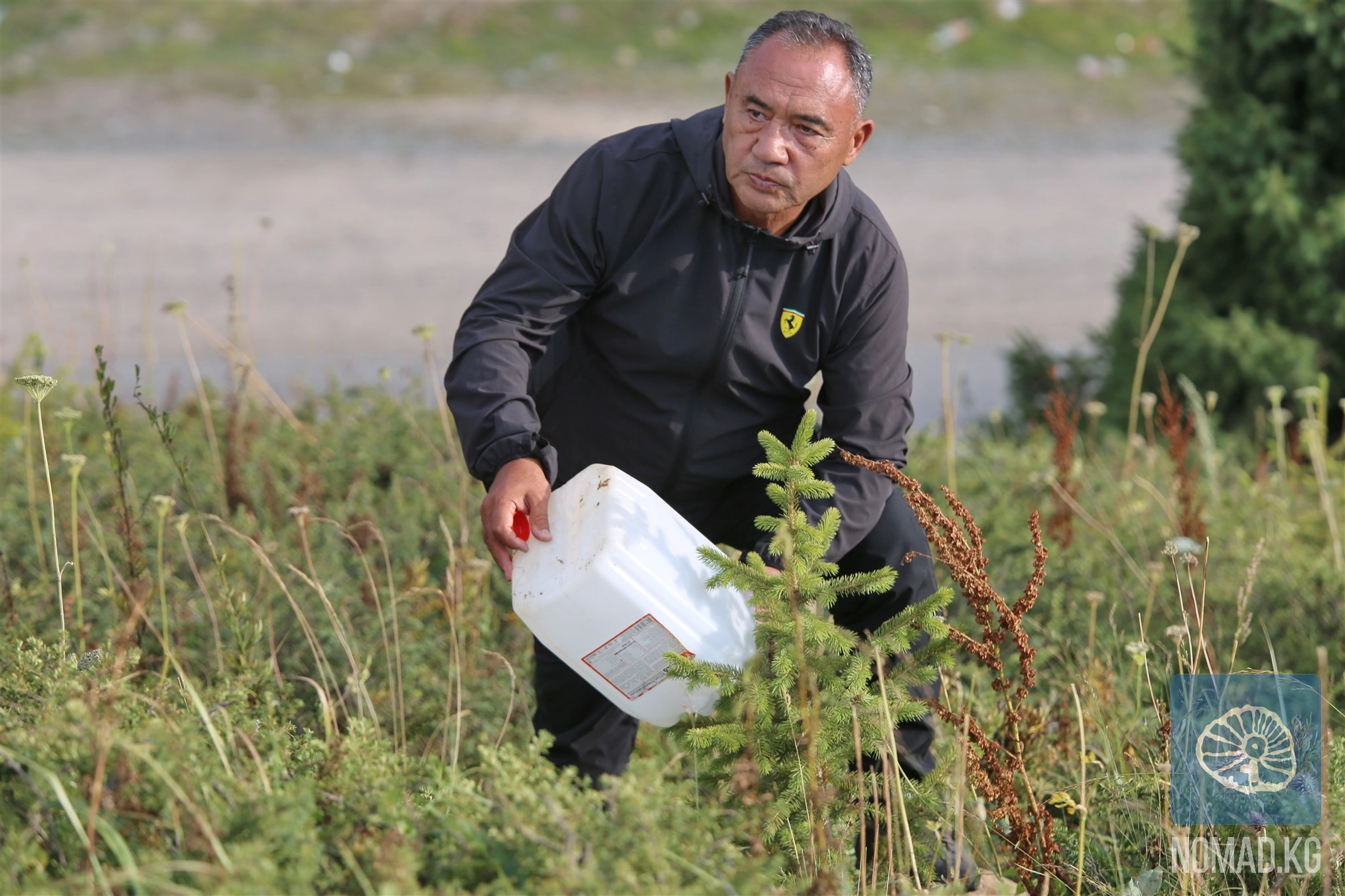
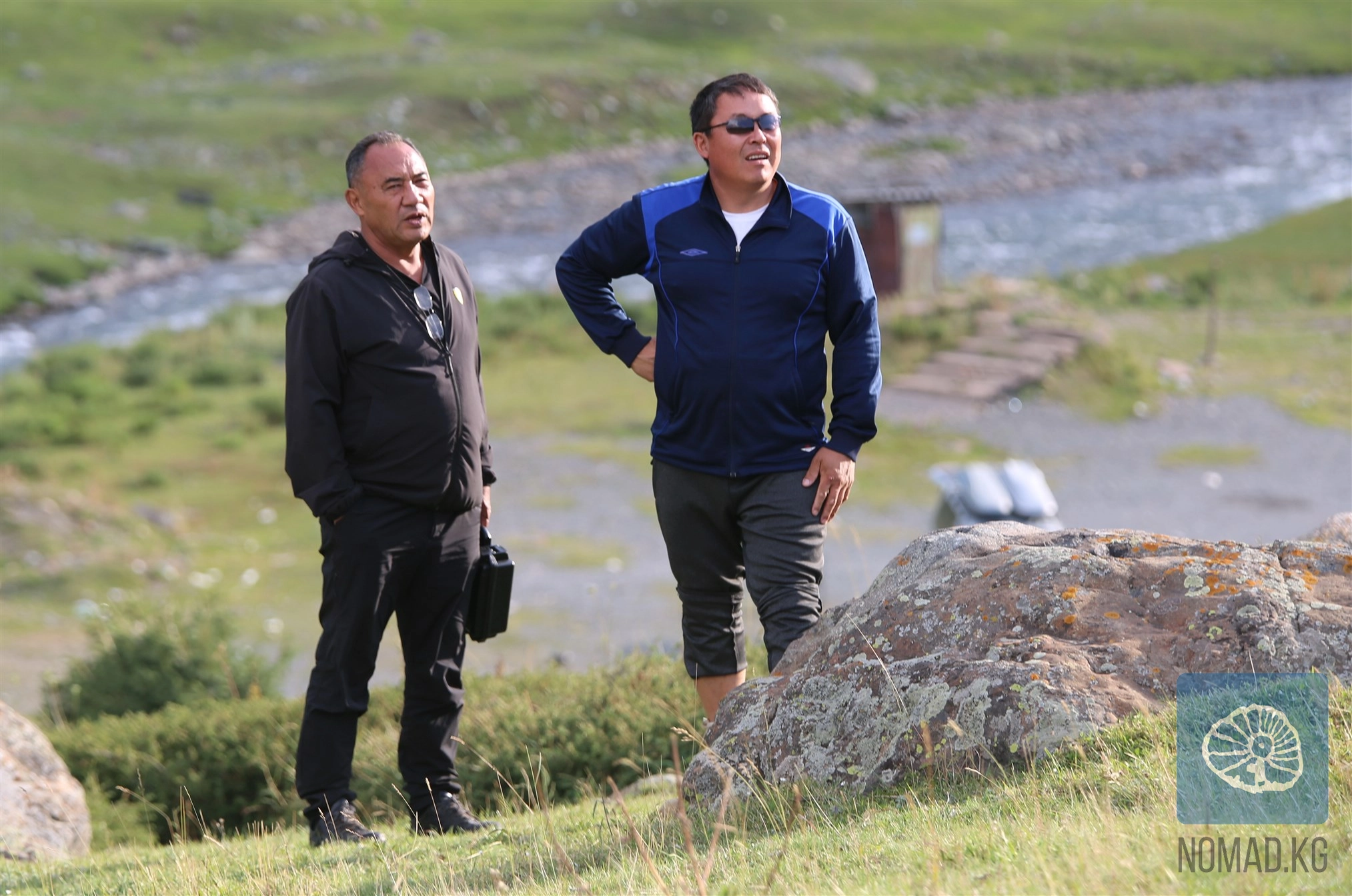
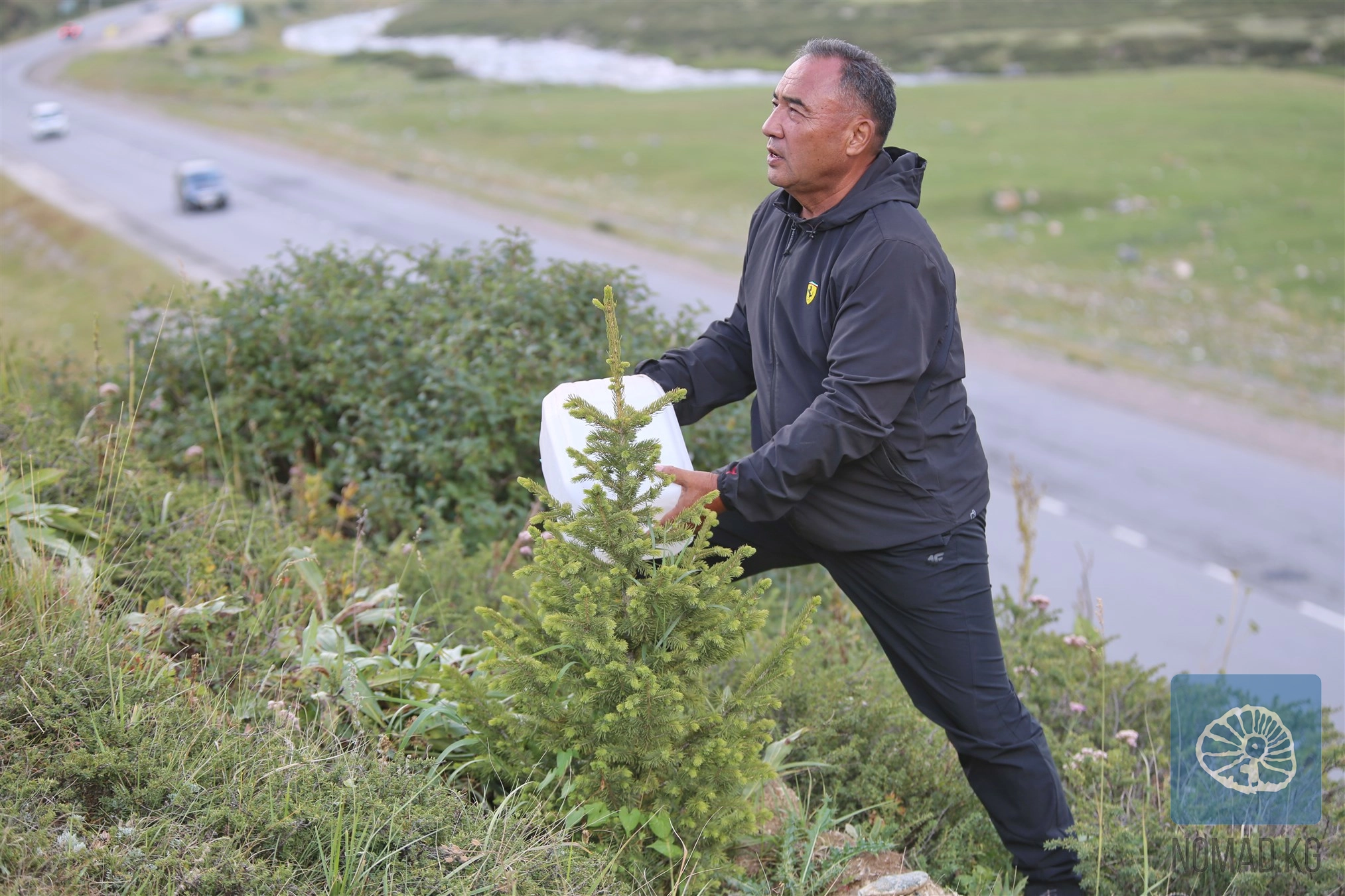
A few years ago, a group of environmental activists began what is hard to call just an action at the Ötök pass. The initiative “Jalgyz Karagay - Top Karagay” was born as an attempt to bring back to the highlands what had been lost here: mountain forests. Under the guidance of ecologist and public figure Gamal Soronkulov, regional director of the environmental platform Ecostan.kg and co-founder of “Eco-Ayan,” activists began planting seedlings of trees selected with consideration for the local ecosystem. Alongside the Tian Shan spruce, seedlings of juniper brought from Nookat and Chon-Kemin appeared, as well as Tian Shan birch from Ala-Buka. This is not a random assortment of plants, but a thoughtful dialogue between regions - an exchange of genetic and ecological memory within the country.
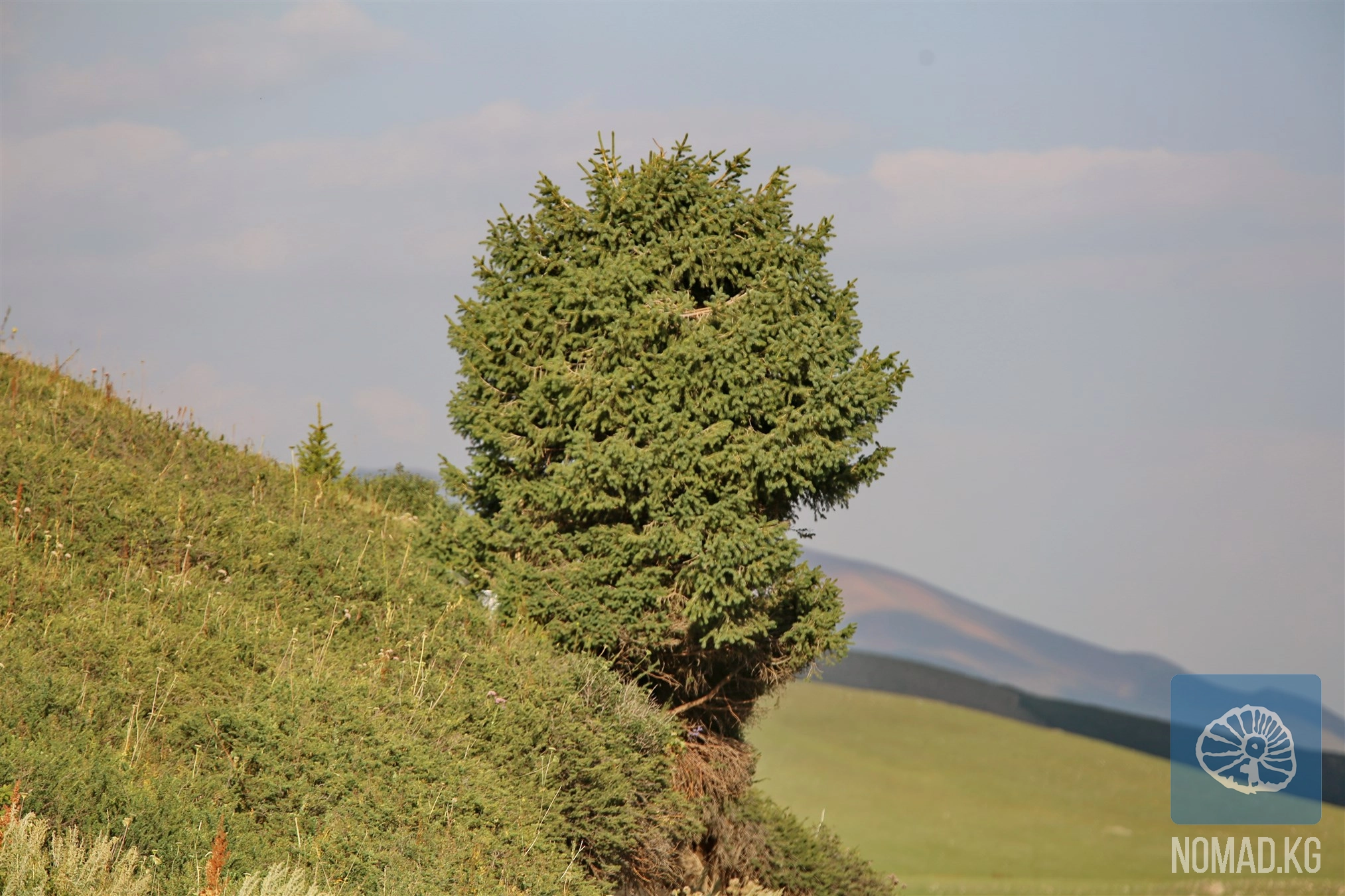
It is important that this work did not start from scratch. Activists continue the work of specialists from the Avletim Forestry, who previously planted seedlings from the Tyup Forestry in the area where the Ötök and Suusamyr rivers converge. Around the symbolic “Jalgyz Karagay” - a solitary tree that has become a local metaphor - spruce trees from Ketmen-Töbö and Talas, as well as various species of juniper, were already growing. Thus, a landscape of memory and care is gradually being formed, not just a planting.
A micro-reserve is planned to be created at the Ötök pass - a rare format for high mountain areas of Kyrgyzstan. Its idea is simple yet complex: to give nature space to recover without pressure and noise. In the future, not only the planted trees but also rare high mountain plants - edelweiss, wild orchids, and species that are the first to disappear when the ecosystem is disrupted - will be able to take root here. These plants are not decorative - they are indicators of the health of the landscape. The micro-reserve is envisioned as a shared space: scientists for observation, locals for preservation, travelers for understanding.
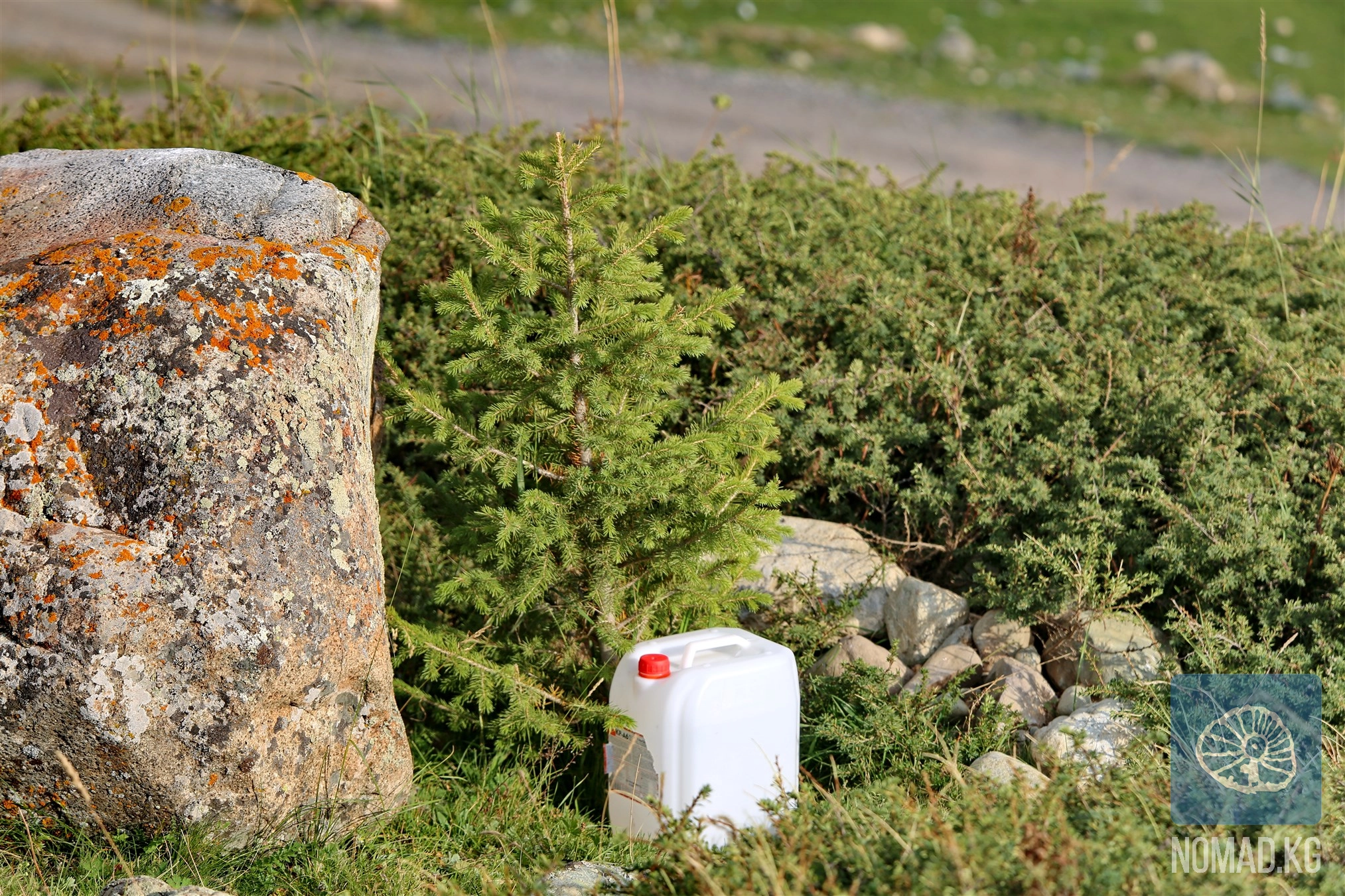
If you are lucky enough to be here in spring or early summer, you can see young seedlings growing - still vulnerable, but already alive. This is a rare experience for a traveler: to observe not the result, but the process.
The Ötök pass is located on the road leading through the Suusamyr Valley. You can reach it by car from Bishkek via Suusamyr (landmark “turn to Talas”). Public transport (taxi-porters) runs irregularly.
June - August. During this time, the pass is easily accessible, and the weather is most stable. Although even in summer, sharp cold snaps and wind are possible. There is no infrastructure at the pass itself. Overnight stays in tents or in shepherds' yurts can be arranged by agreement. Comfort is minimal, but genuine.
Ecotourism at the Ötök pass does not promise bright impressions and quick results. It offers something different: the opportunity to become part of a process that will continue without you. The planted tree will grow for decades, and you will have a reason to return here and see it as an adult. This is the main value of such ecotourism. It does not change the landscape - it changes the person.
If there is a place in the Talas region that amazes from the very first step, it is the Talas Birch Grove - the largest man-made birch forest in all of Central Asia and one of those places where humans and nature have created a true oasis of
Peak Manas is the highest point of the Talas Ala-Too ridge, with an elevation of about 4485-4488 meters above sea level, and this figure alone sets the tone: here, the familiar routes end, and the territory of true mountains begins. The
Standing by the Talas River early in the morning, when the fog still lingers over the water, it is easy to imagine how caravans passed through here, how cavalry units moved along these very shores, how language, faith, and power changed - while the
The Talas Valley is one of those places where Central Asia speaks to the traveler through the language of wind and silent stones. Here, between hills and gorges, traces of ancient civilizations have been preserved, whose names have long dissolved in
The Talas region is one of the corners of Kyrgyzstan where history is felt not in museum showcases or academic works, but in the wind, in the scent of dry wormwood, in the lines of mountains frozen around the valley like an ancient choir. Here, the
Among the picturesque mountains of the Bakai-Ata district, not far from the village of Urmaral, lies one of the most mysterious and revered places in the Talas region - the Kara-Koyun cave. This is not just a dark niche in the rocky mass, but a
If you have already seen Lake Besh-Tash and think that the national park has revealed all its secrets to you, then you simply haven't yet ascended the Itagar Pass. This is the route after which photos remain in your phone's memory that you
In the Talas Valley, there is a place where legends come alive at every step, and the silence of the mountains speaks louder than any storyteller. This is the Besh-Tash Gorge - one of the most picturesque and symbolic natural spaces in Kyrgyzstan.
Kyrgyzstan is a country where the memory of ancestors, sacred space, and natural power merge into a single cultural landscape. For centuries, Kyrgyz people have placed special importance on burial monuments and holy sites—mazars. Even today,
In the center of the village of Kyzyl-Adyr, which many travelers remember by its old name Kirovka, there is a local history museum named after Mikhail Fyodorovich Tura in the secondary school named after Orozbekov Meilibek. At first glance, it seems
Where once small rural streets stretched along the river valley, where people lived a measured steppe life, today lies a vast expanse of water - the Kirov Reservoir, one of the most significant hydraulic structures in Kyrgyzstan and an impressive
High in the Kaman-Suu gorge, at an altitude of about 2500 meters above sea level, lies one of the most expressive and multilayered monuments of rock art in Kyrgyzstan - Jaltyrak-Tash, which translates to "shining stone." This is not just a
The Talas region is not only a land of ancient settlements and legends but also of remarkable natural abundance. Here, surrounded by the stunning mountain gorges of Besh-Tash, Kolba, Kumush-Tag, and Urmaral, one of the most heartfelt gastronomic
The Besh-Tash Nature Park covers over 30,000 hectares, stretching nearly 30 kilometers upstream along the river of the same name - from the gentle foothills at an altitude of 1,100 meters to the harsh, cold glaciers rising to 3,500 meters. The park
The Talas Geopark "Echkilі-Tuu" is located in the mountain range of the same name, Echkilі-Tuu, which is part of the Kyrgyz Ala-Too ridge, in the Sary-Kuurai gorge, one of the most impressive natural attractions of Kyrgyzstan. This geopark
In the very heart of the blessed Talas Valley, where the silvery Talas River leisurely carves its path between two majestic mountain ranges - the Talas and Kyrgyz ranges - lies a unique natural oasis. The Talas Forest is not just a green stripe on
In the very heart of the picturesque Talas region, amidst the rugged gorges of the Bakai-Ata district, lies one of the most unusual natural wonders of Kyrgyzstan - the "Kara-Kishi" geopark. This place seems to exist outside of time: the
Among the hills of the Talas Valley, near the clear river Ken-Kol, lies one of the most cherished places in the vicinity of the National Complex "Manas Ordo" - the sacred spring "Kanykey Apa." For the Kyrgyz, this is not just a
The Ötmäk Pass (3326 m above sea level) is one of the most impressive places in the Talas region and an essential mountain artery connecting the closed Talas Basin with the expansive Suusamyr Valley and the strategic Bishkek-Osh highway. This is the
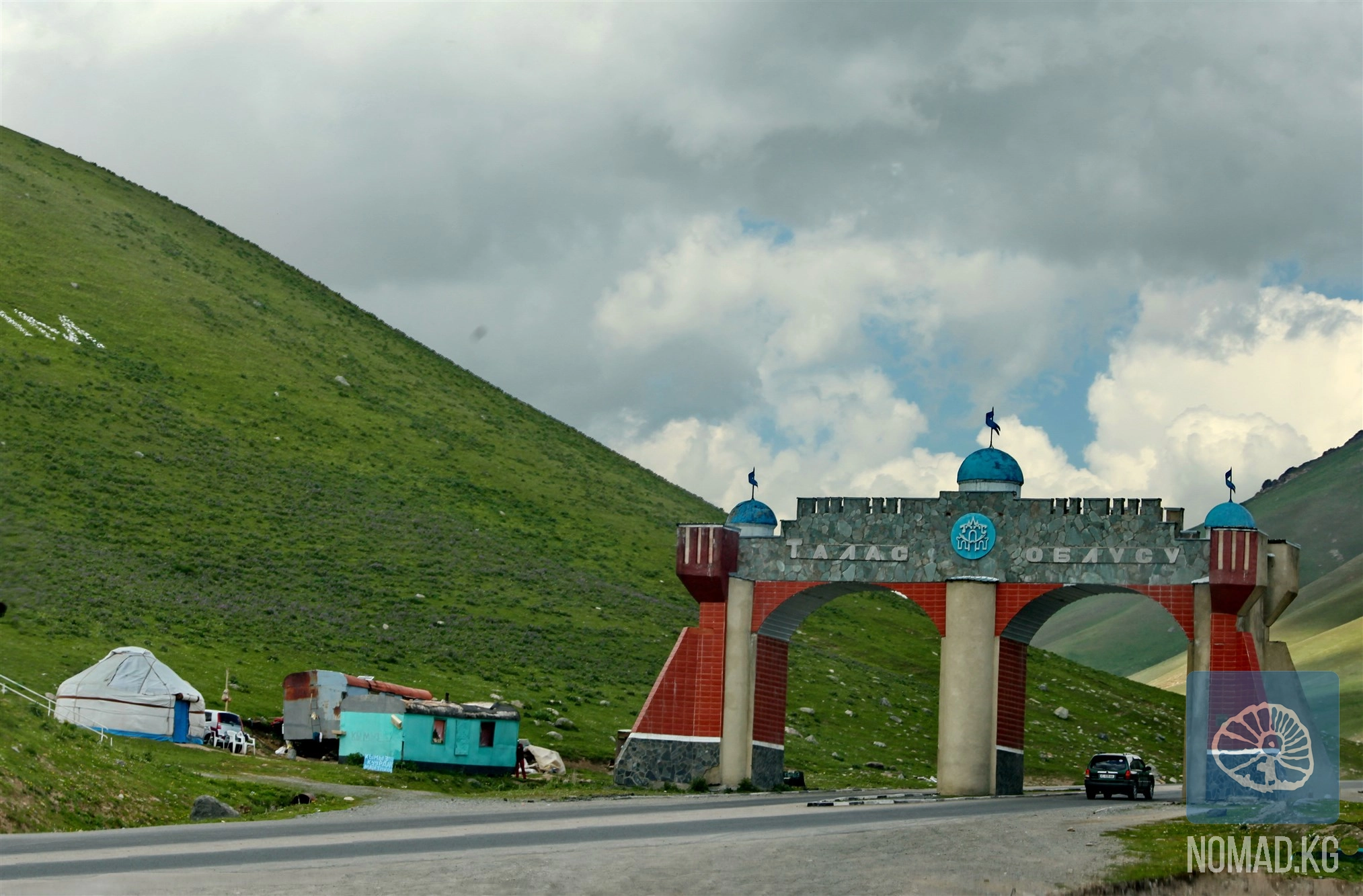
On the strategic route from Bishkek to Osh, at the turning point towards the road leading to the Otmak Pass (3332 m) and further into the Talas region, lies one of the most recognizable places along the entire route - the so-called "Gates of
The Besh-Tash National Park, which translates to "Five Stones," stretches in a narrow chain along the Talas Ala-Too mountain range. On a good gravel serpentine road up the Besh-Tash river gorge, it feels like the car is about to hit the
In the Talas Valley, among the hills and green valleys, lies one of the most revered sacred places in the region - the mazar of Boo-Terek. Its name translates from Kyrgyz as "a bundle of poplars" or "many poplars," and this is no
In the narrow stone corridor of the Chon-Kapka gorge, where the road seems to glide between sheer cliffs, a traveler is suddenly confronted by a massive concrete wall of a dam. But what strikes one the most is not the engineering itself, but the art
The mountains of the Talas Ridge conceal many secrets, but one of the most astonishing is the complex of rock carvings at Bakayir-Kara-Kuush, located in an easily accessible gorge where human footsteps are lost among the stones, and ancient