

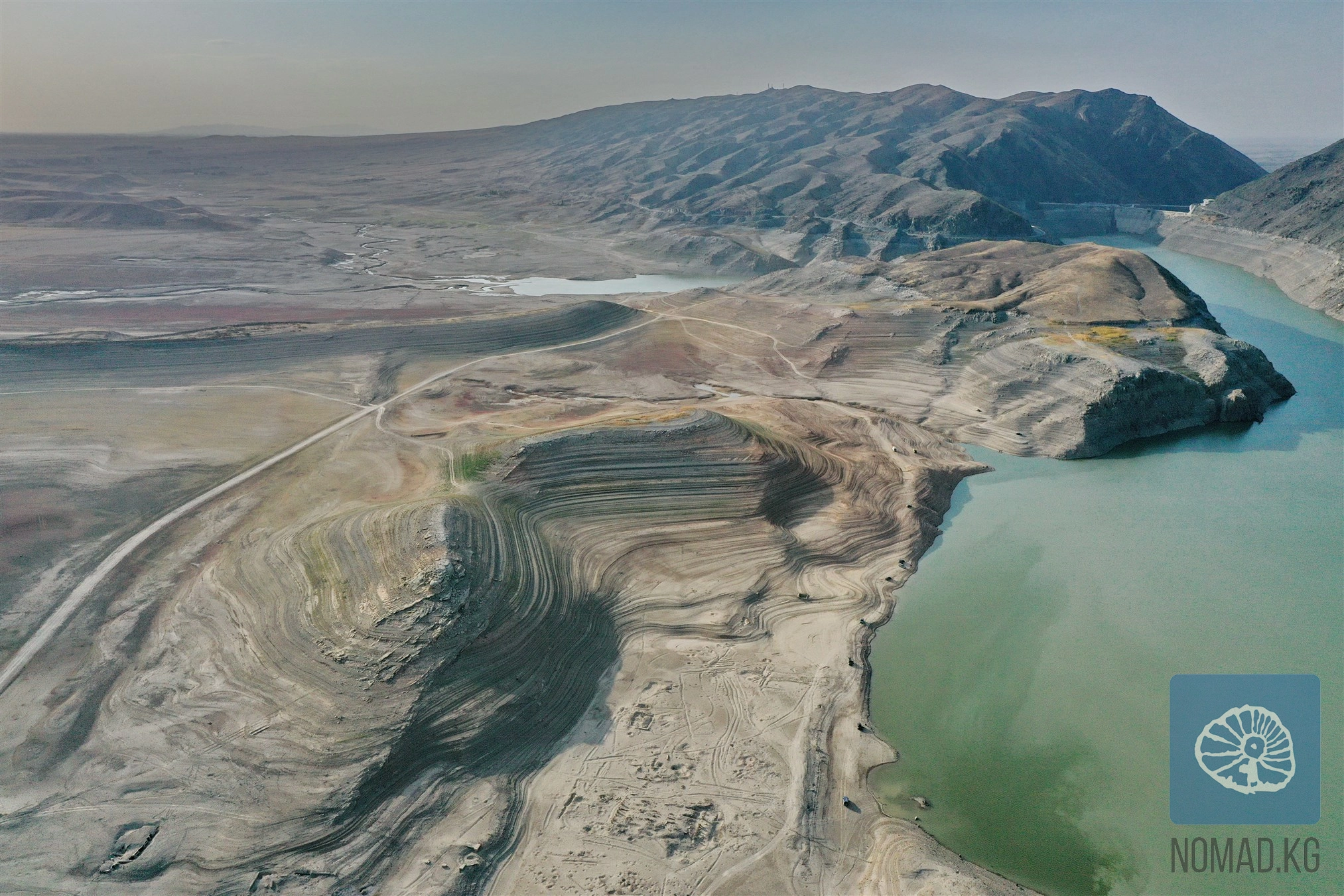
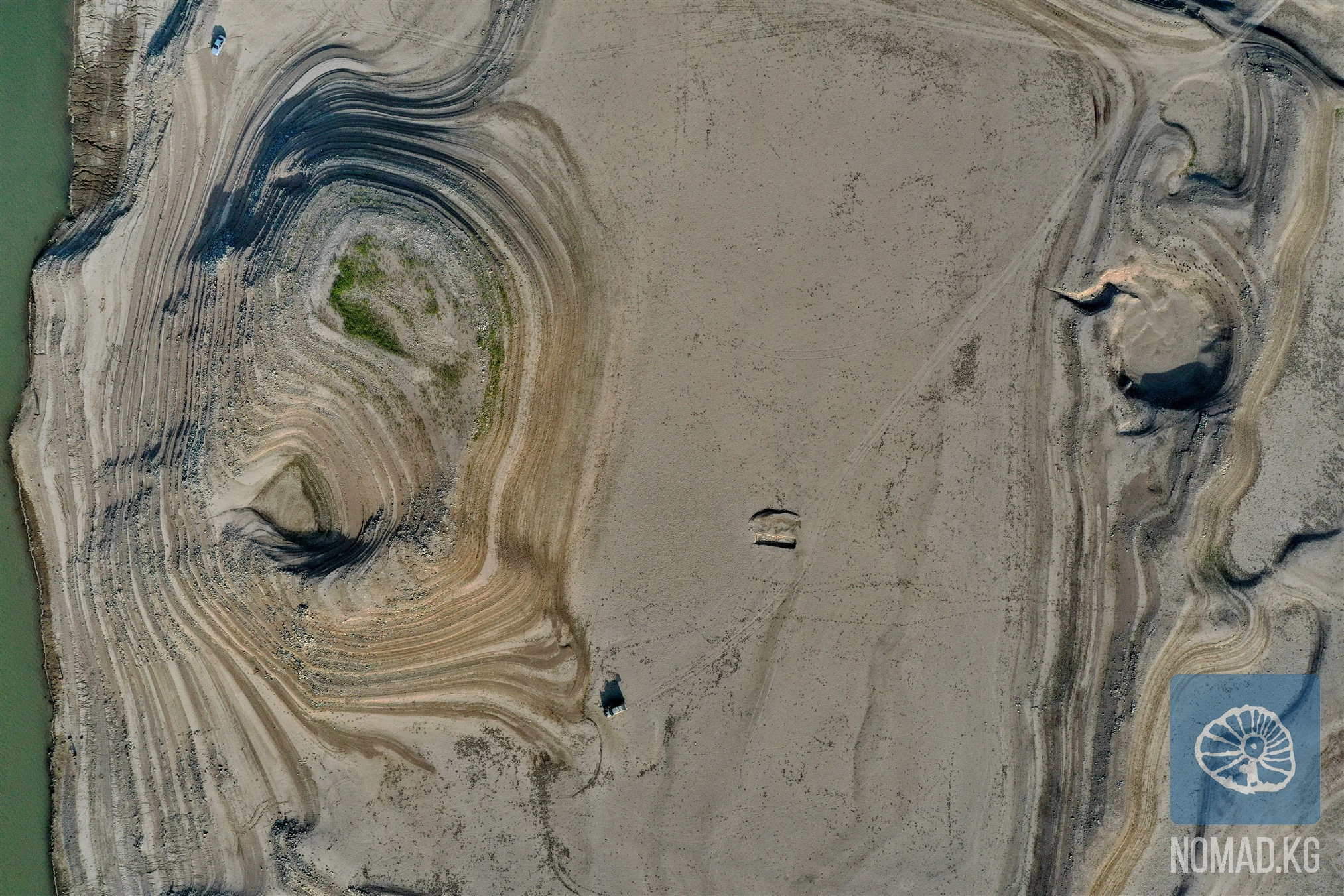
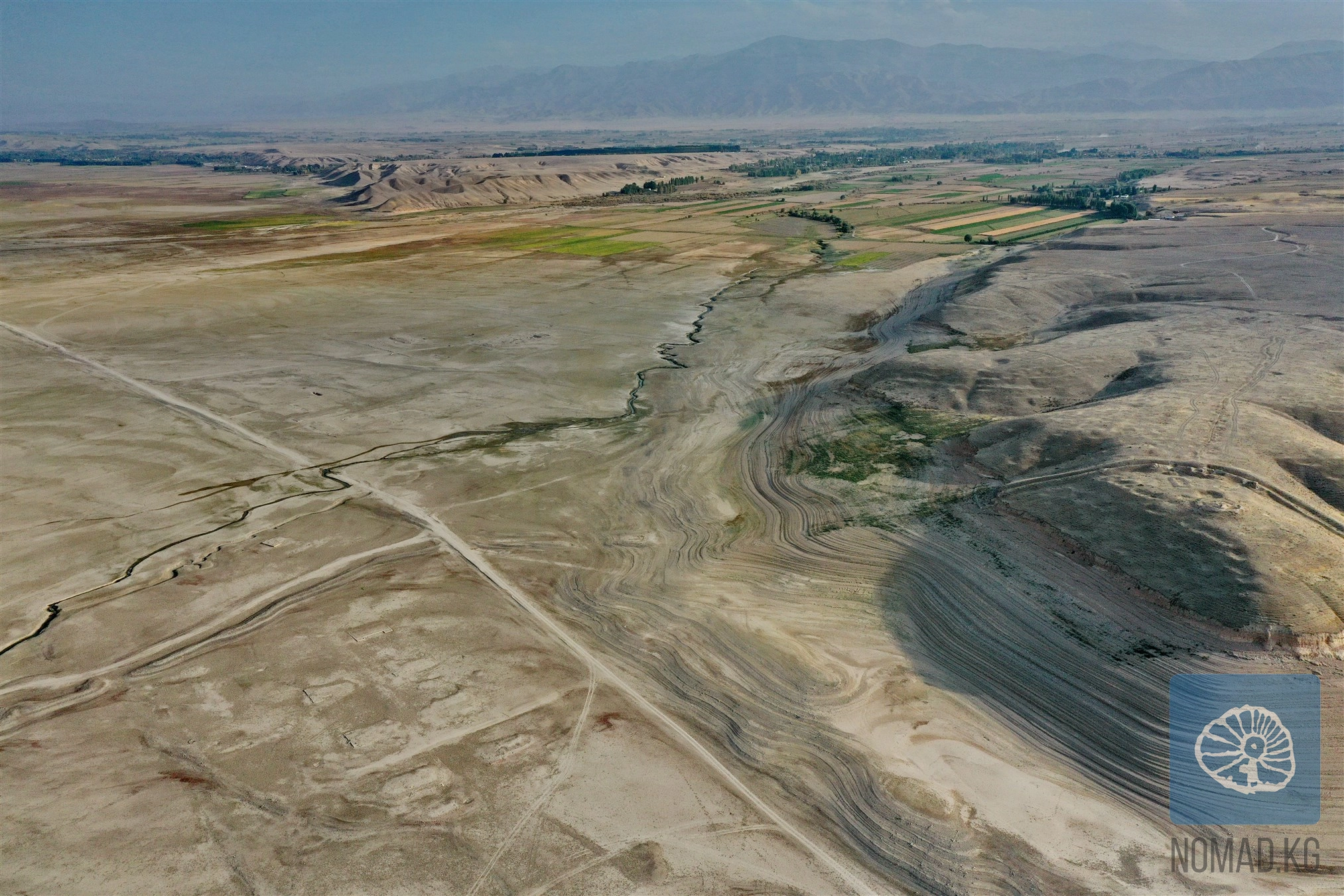
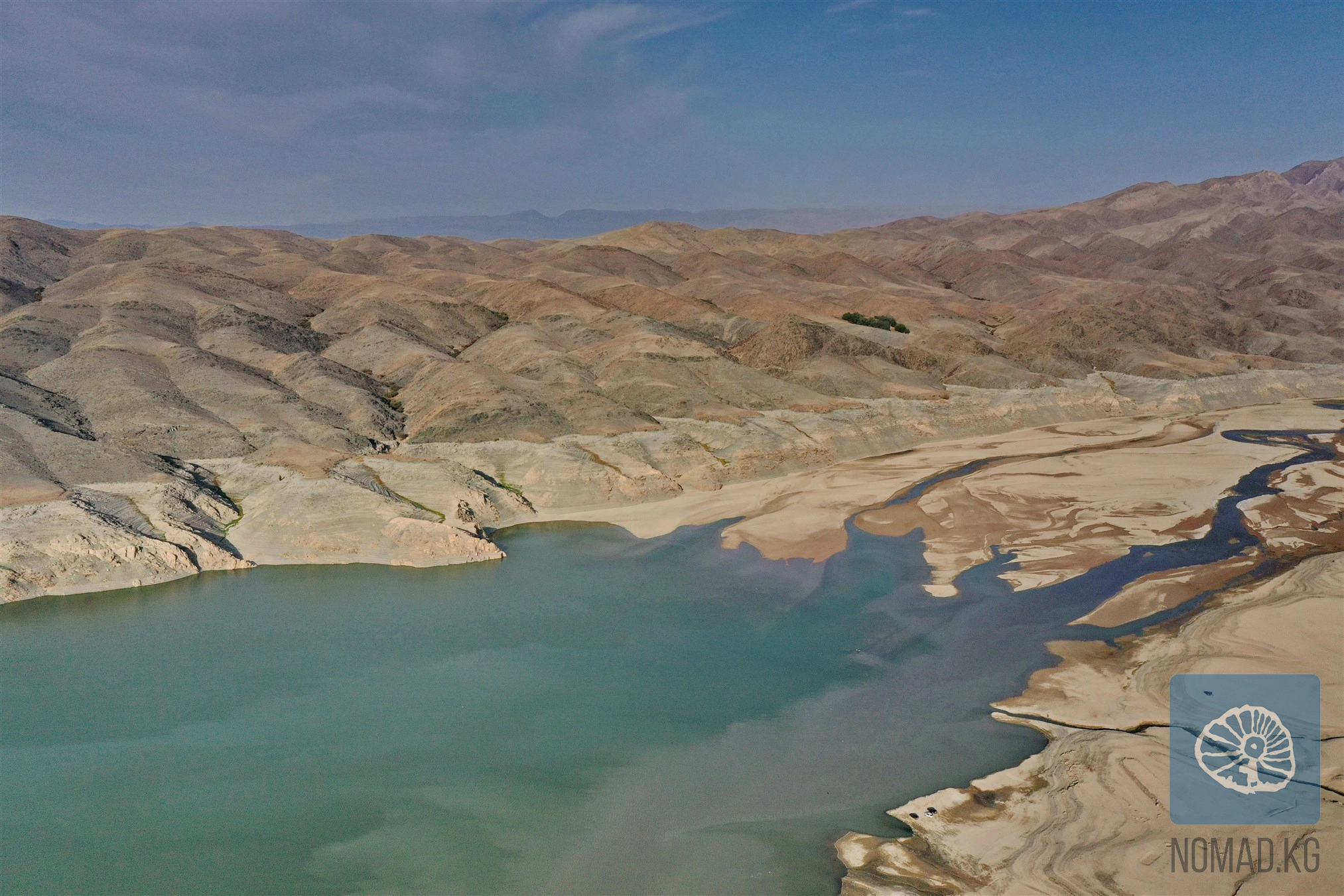
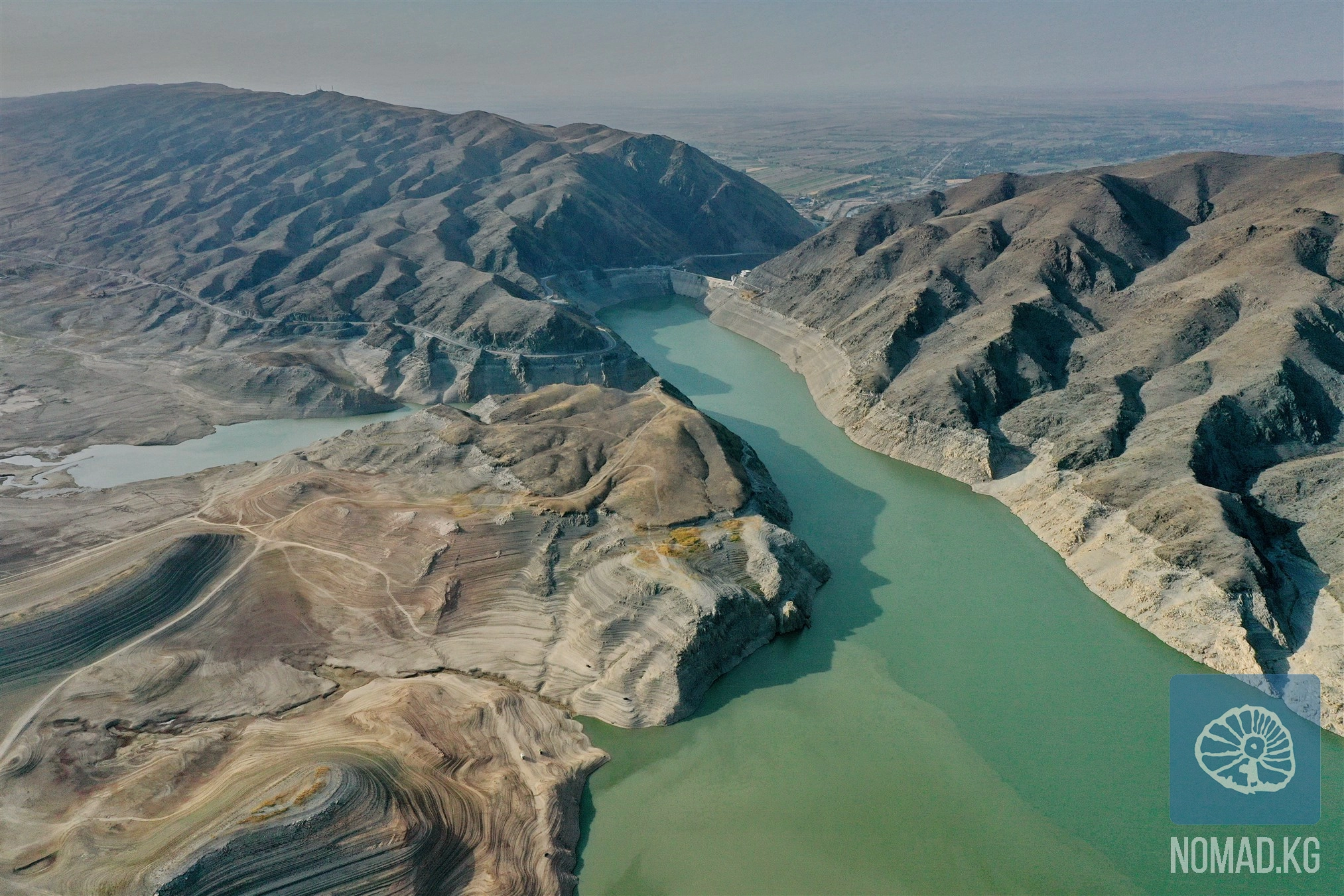
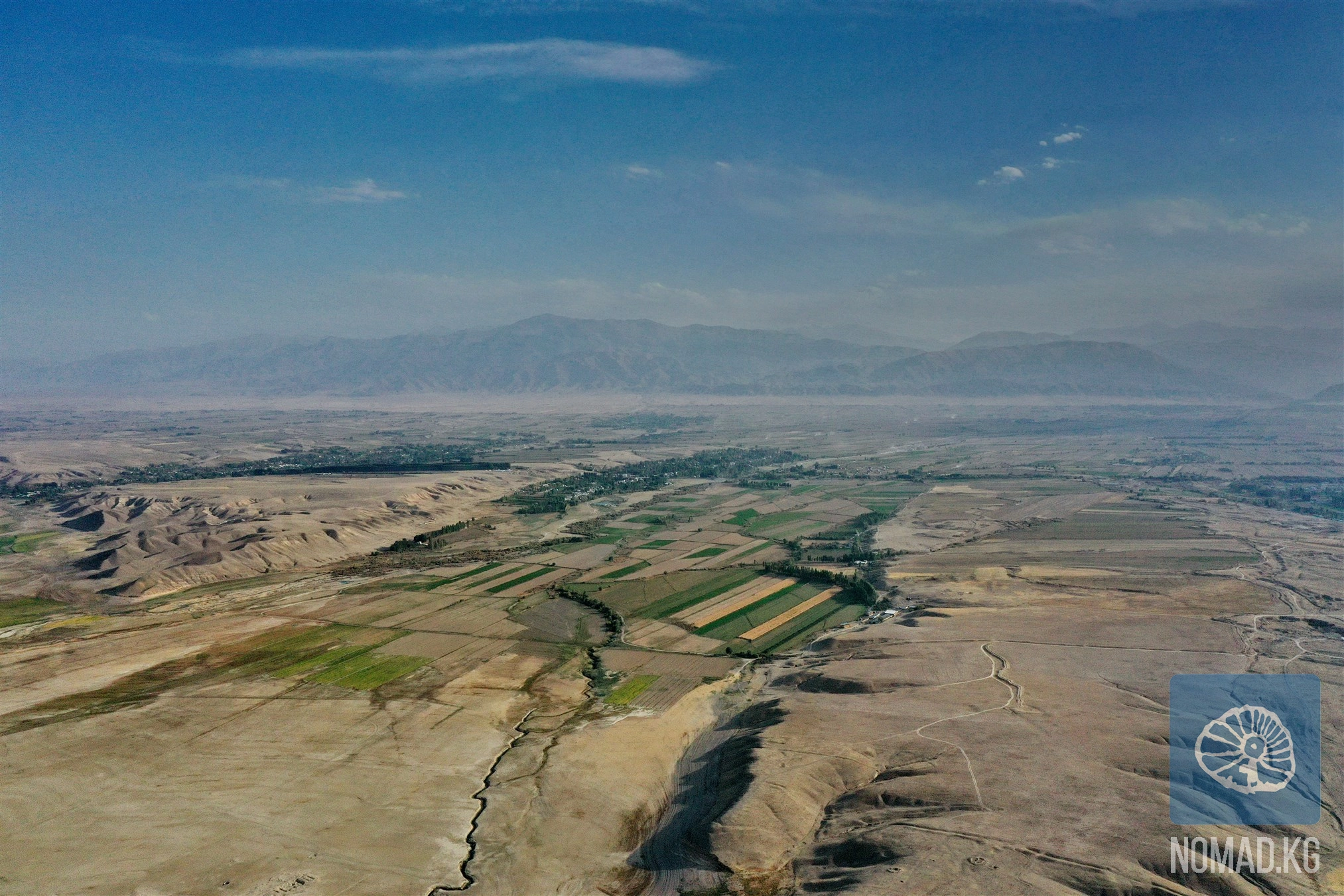
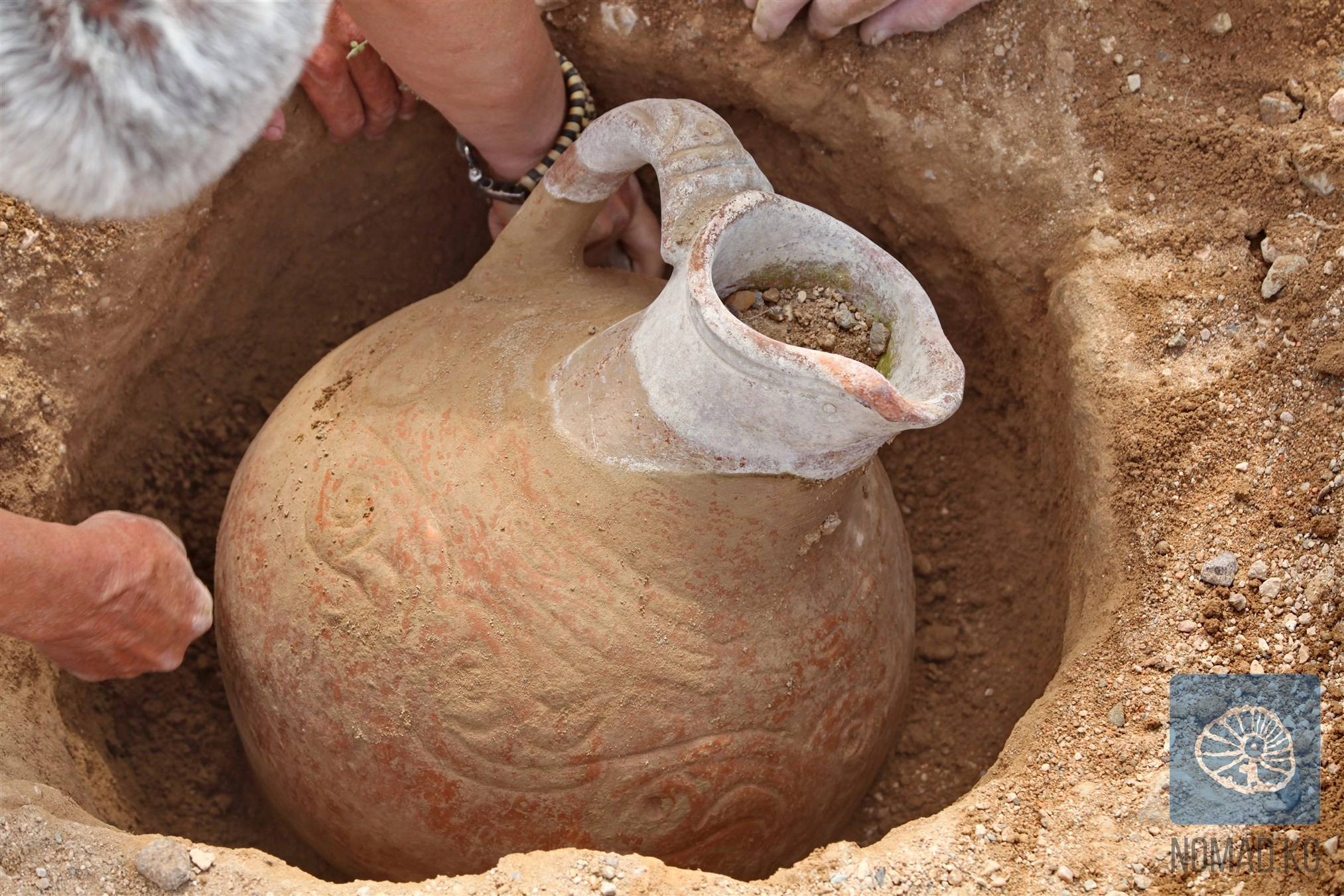
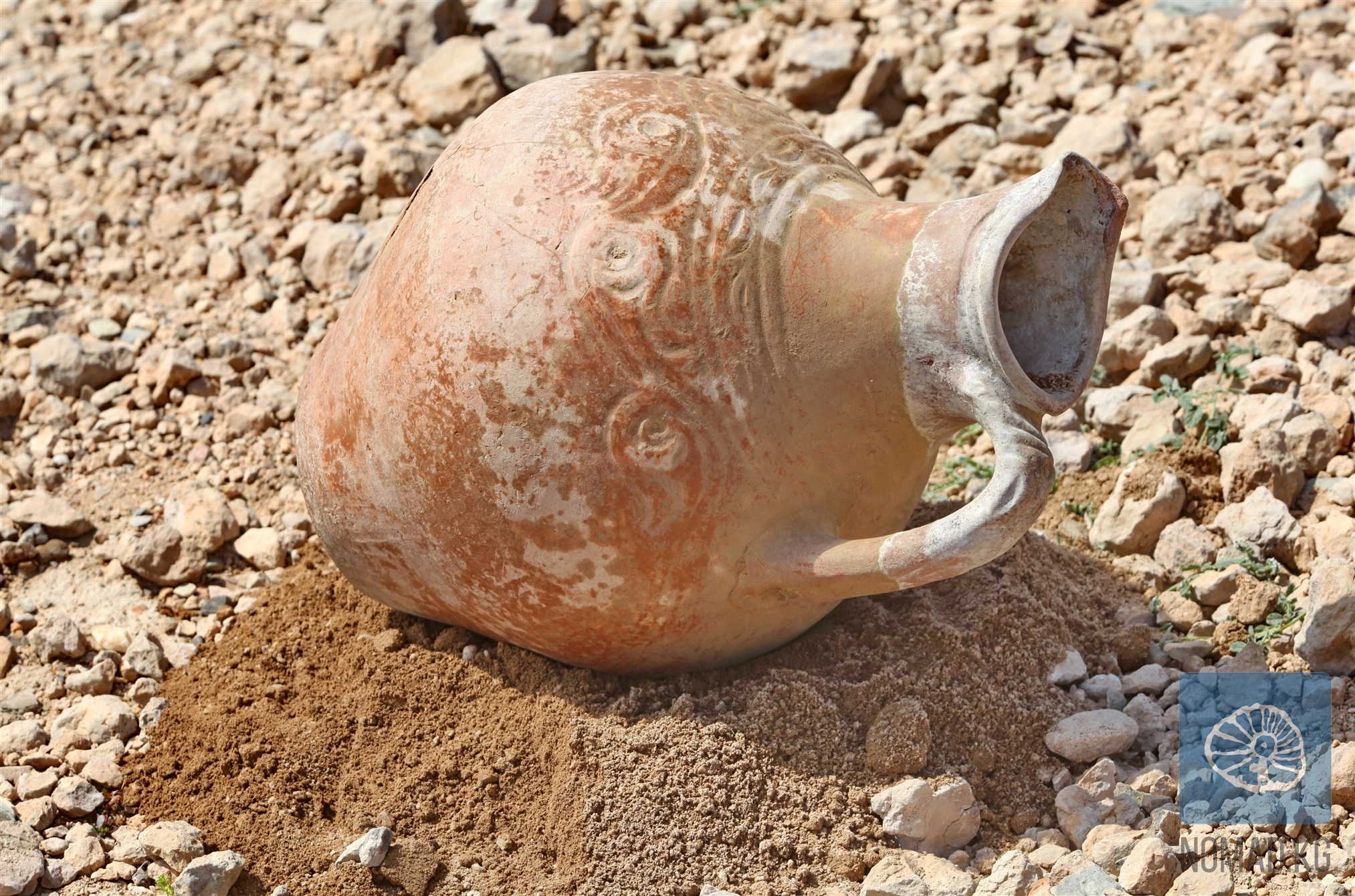
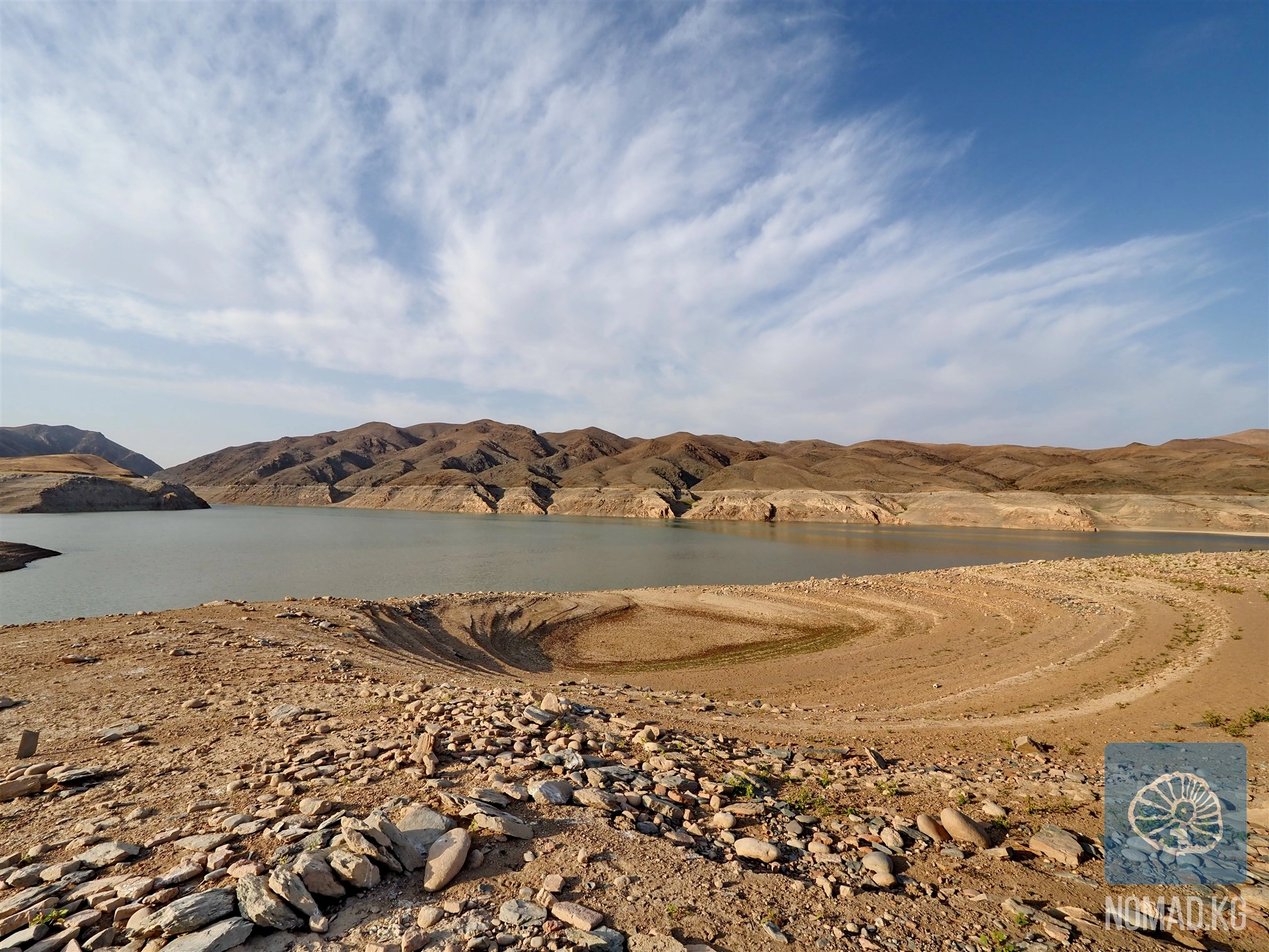
The Talas region is one of the corners of Kyrgyzstan where history is felt not in museum showcases or academic works, but in the wind, in the scent of dry wormwood, in the lines of mountains frozen around the valley like an ancient choir. Here, the past is not an abstraction; it literally emerges from the earth, from clay, from sand. And sometimes—from water. The southern part of the Kirov Reservoir hides beneath it the ruins of one of the largest medieval cities in the region—Shel'dzhi, a center of metallurgy, trade, and crafts during the early Middle Ages, which a thousand years ago served as the silver capital of the region and an important point on the Great Silk Road.
Shel'dzhi emerged around the 7th century and existed until the 12th century. Archaeologists suggest that in the 14th century, it served as a base for the Timurids—evidence of this is found in the coins discovered. However, the city's fate turned tragic: after the dam was built and the reservoir was filled, it sank underwater and seemed to disappear forever.
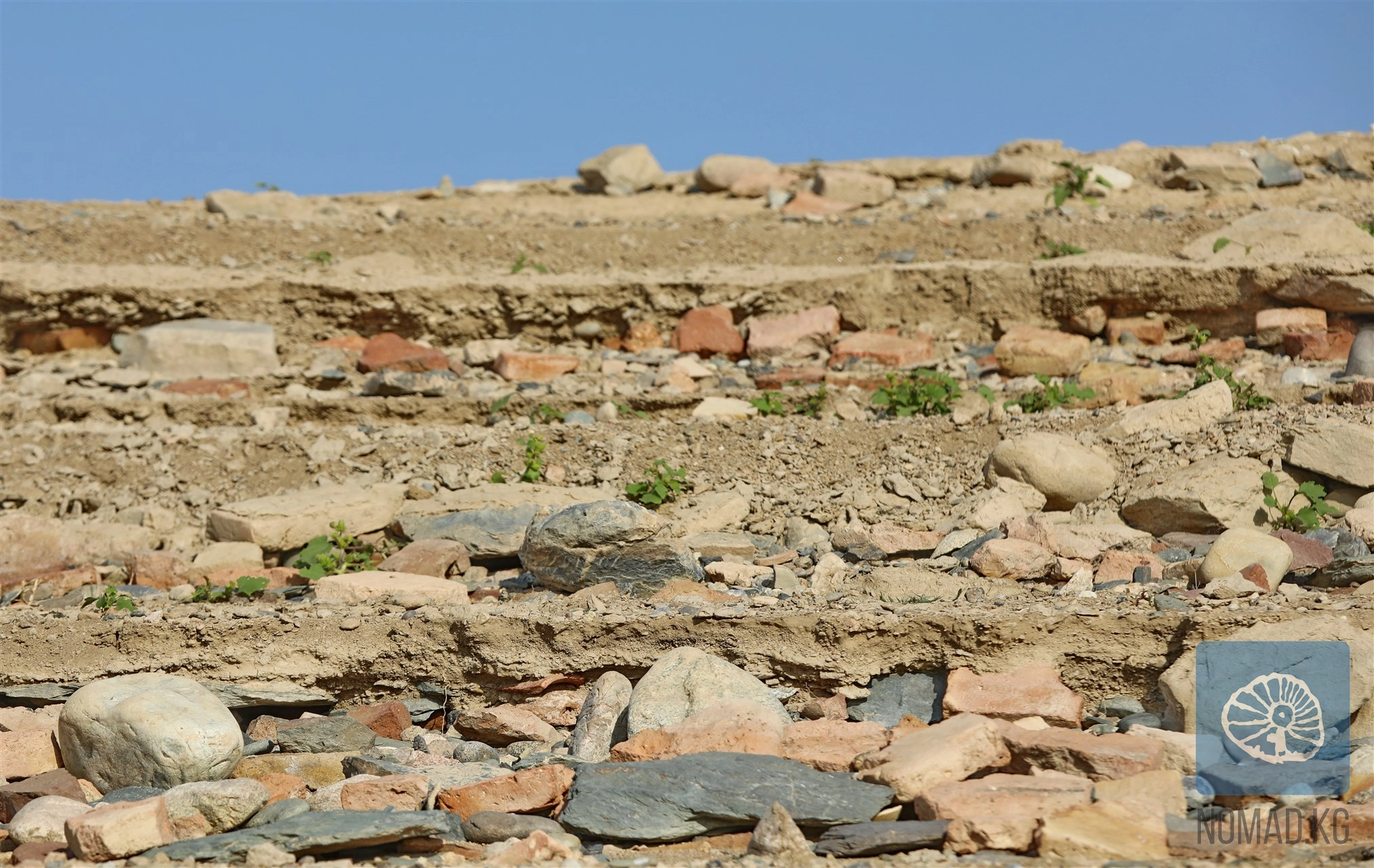
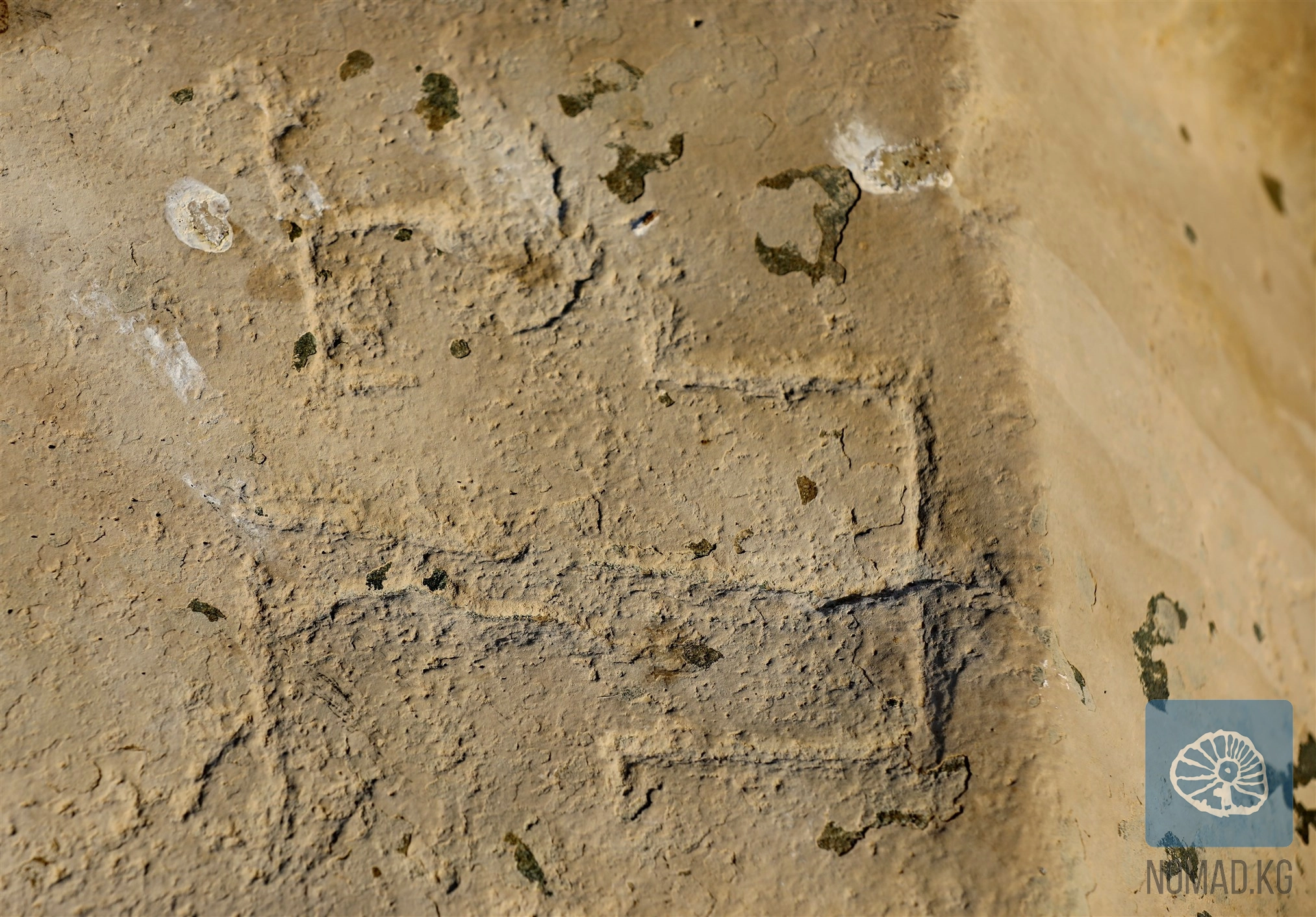
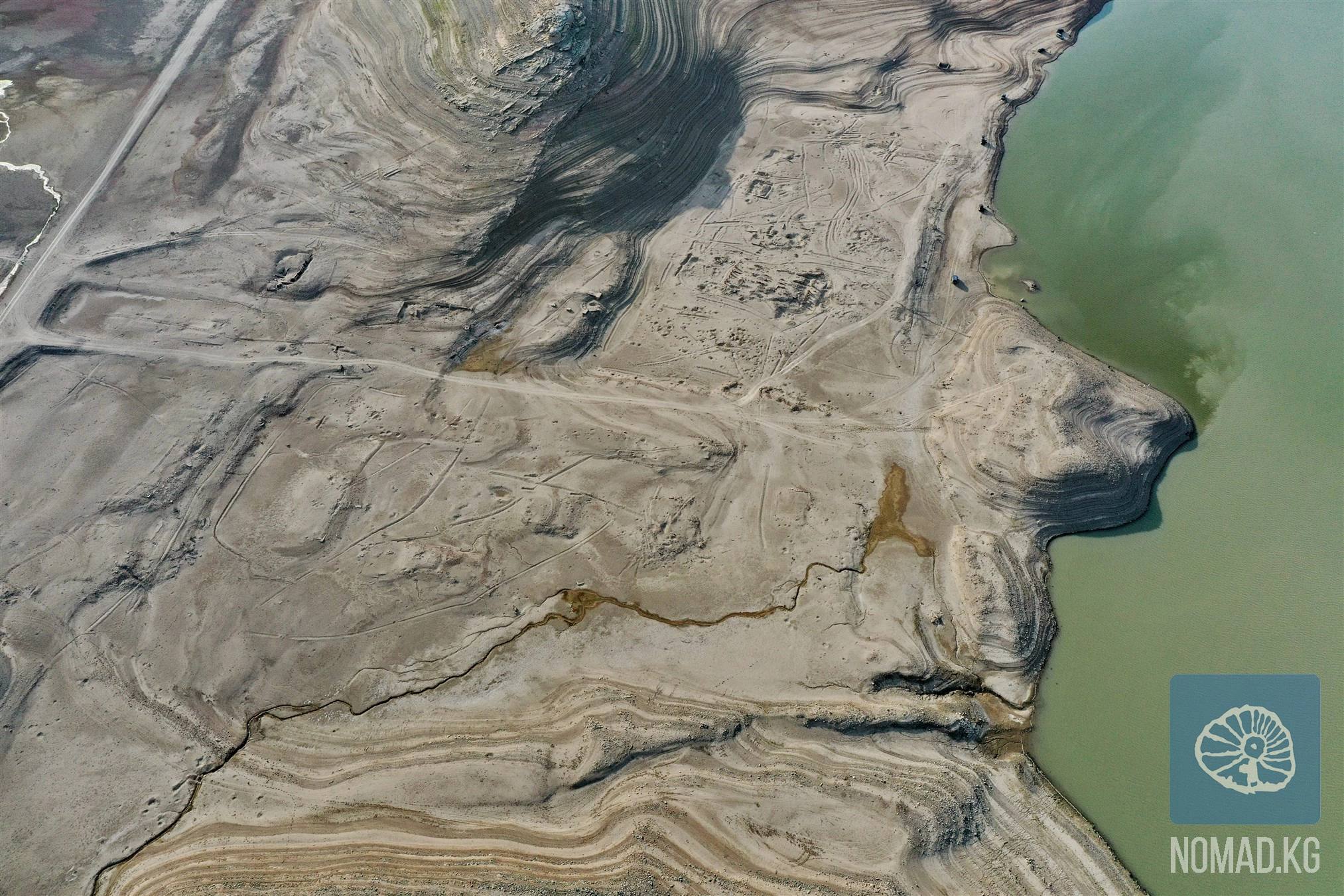
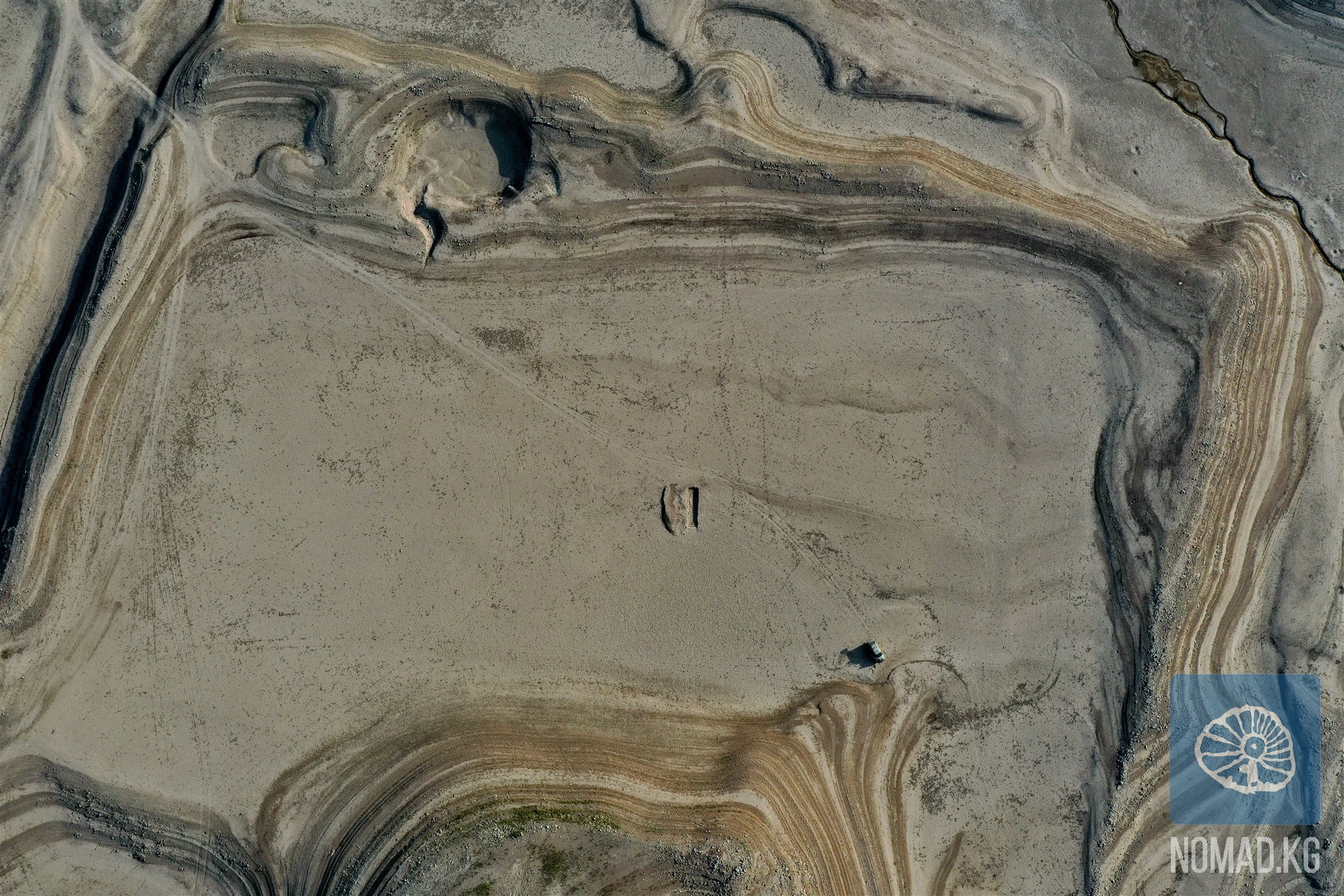
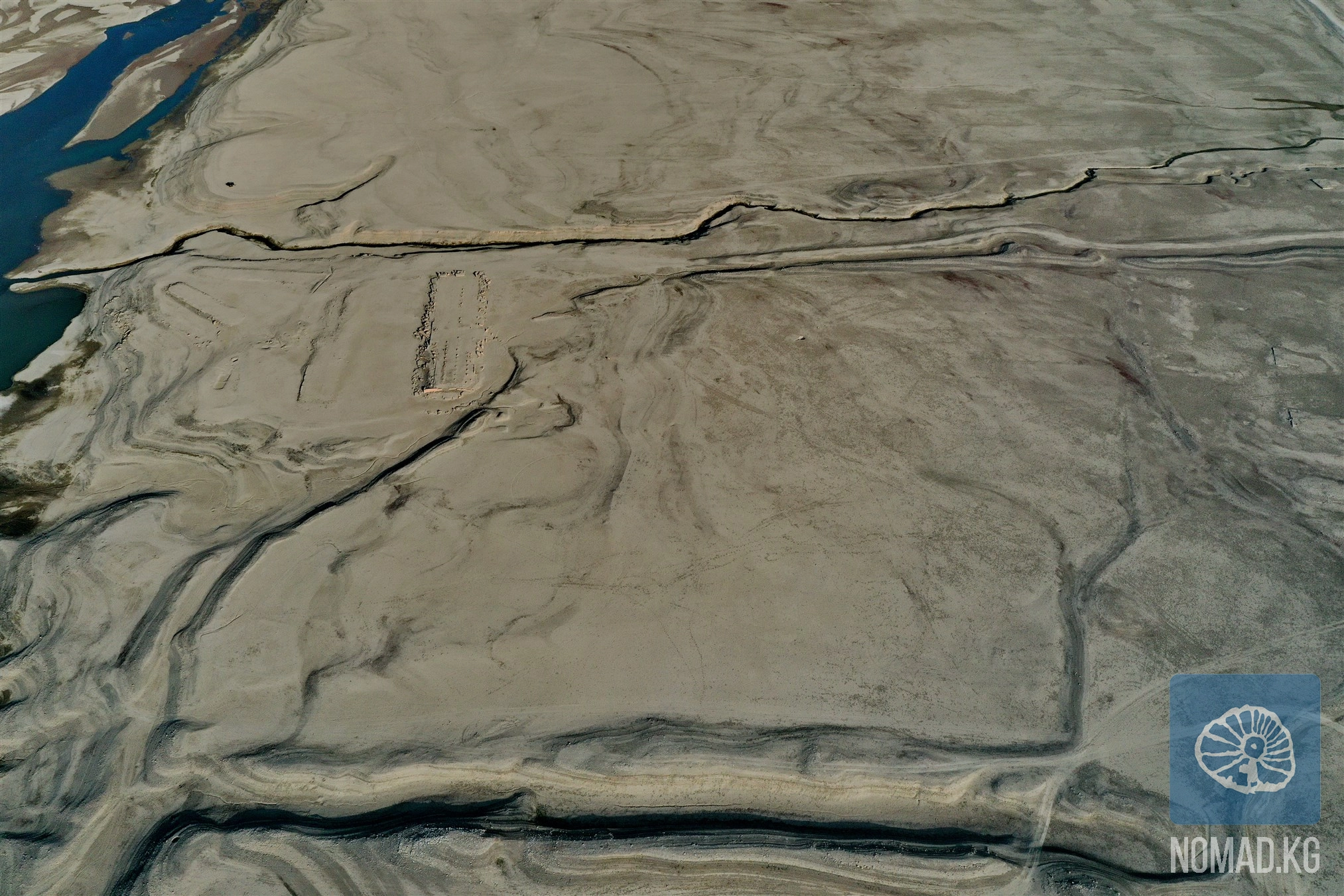
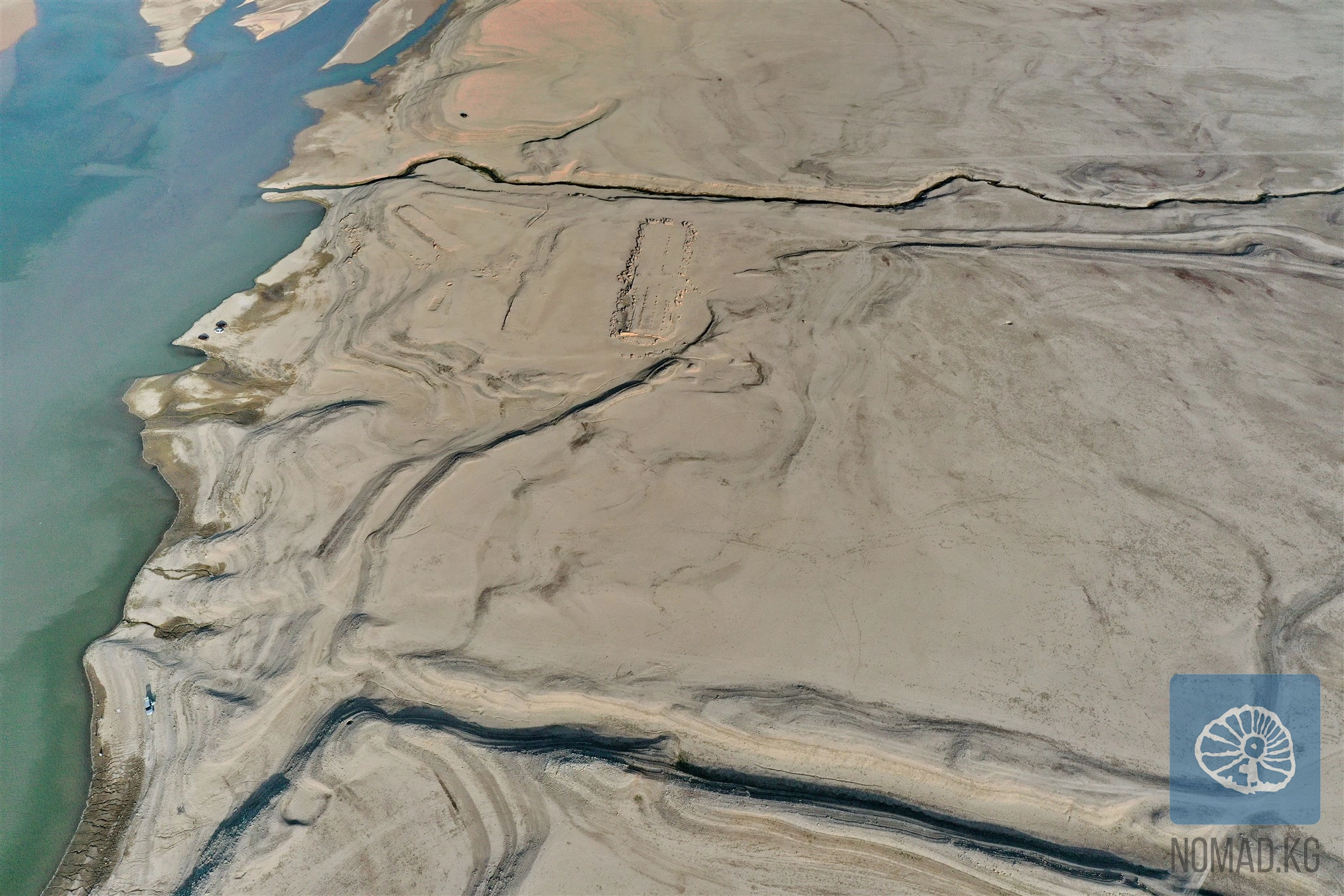
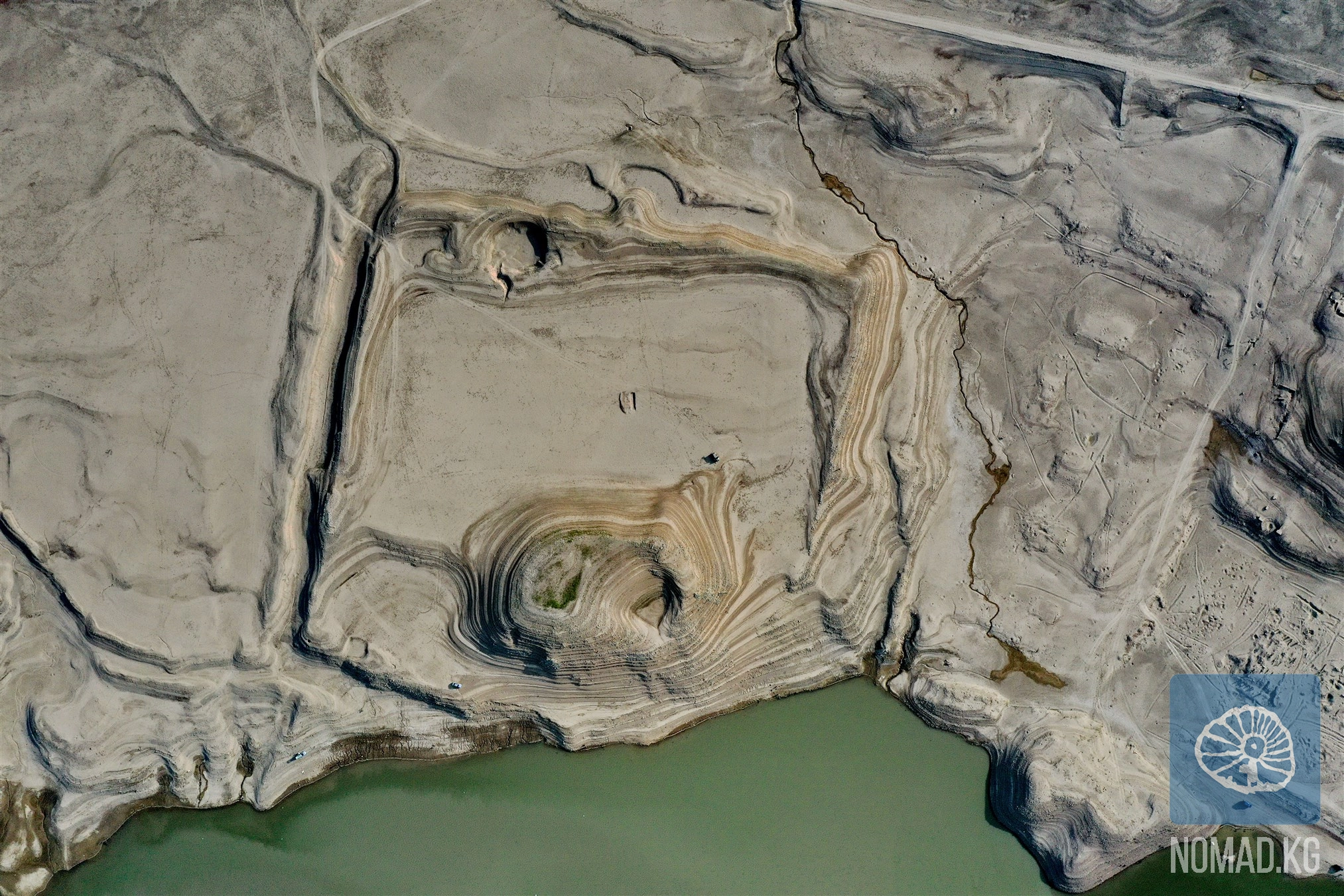
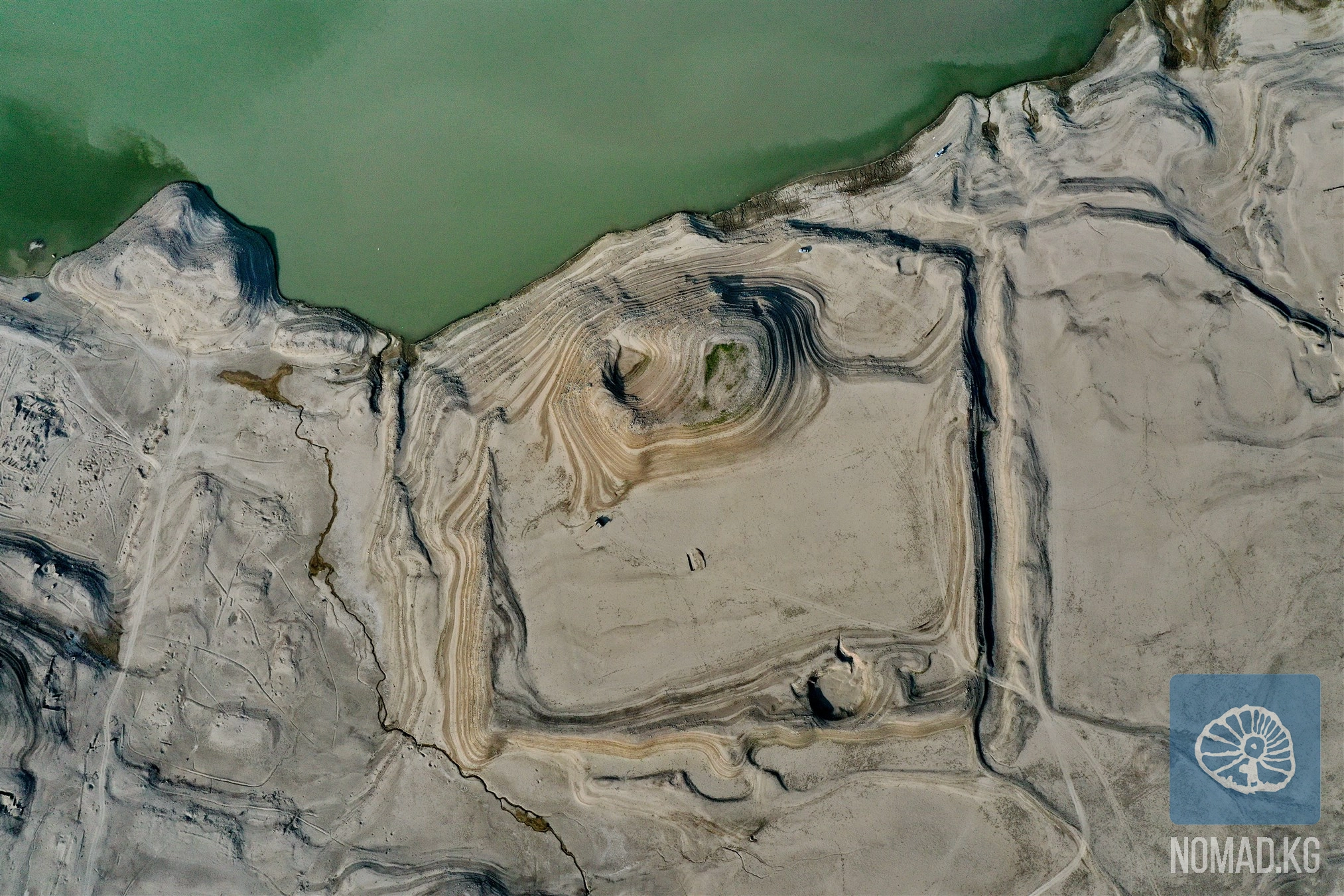
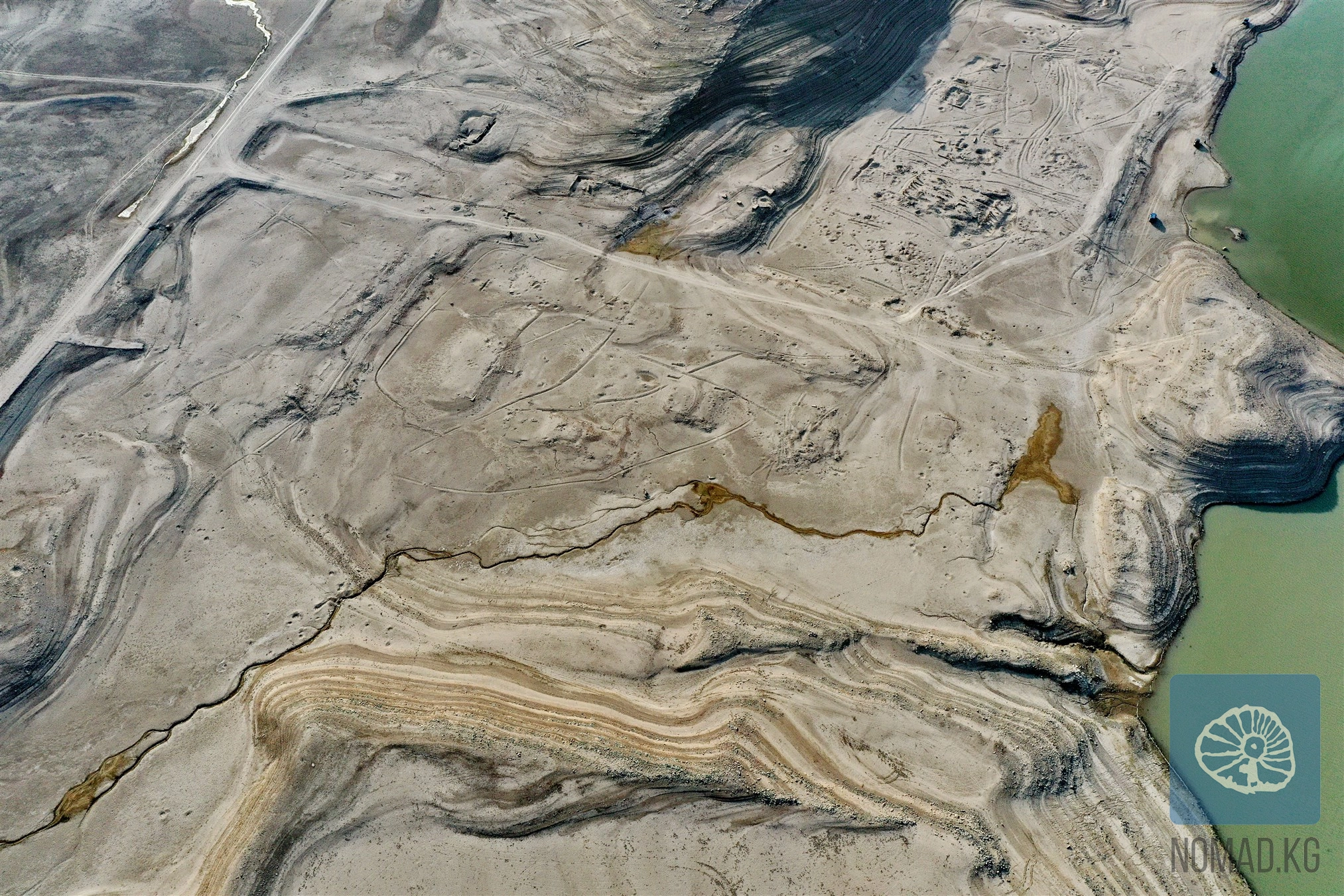
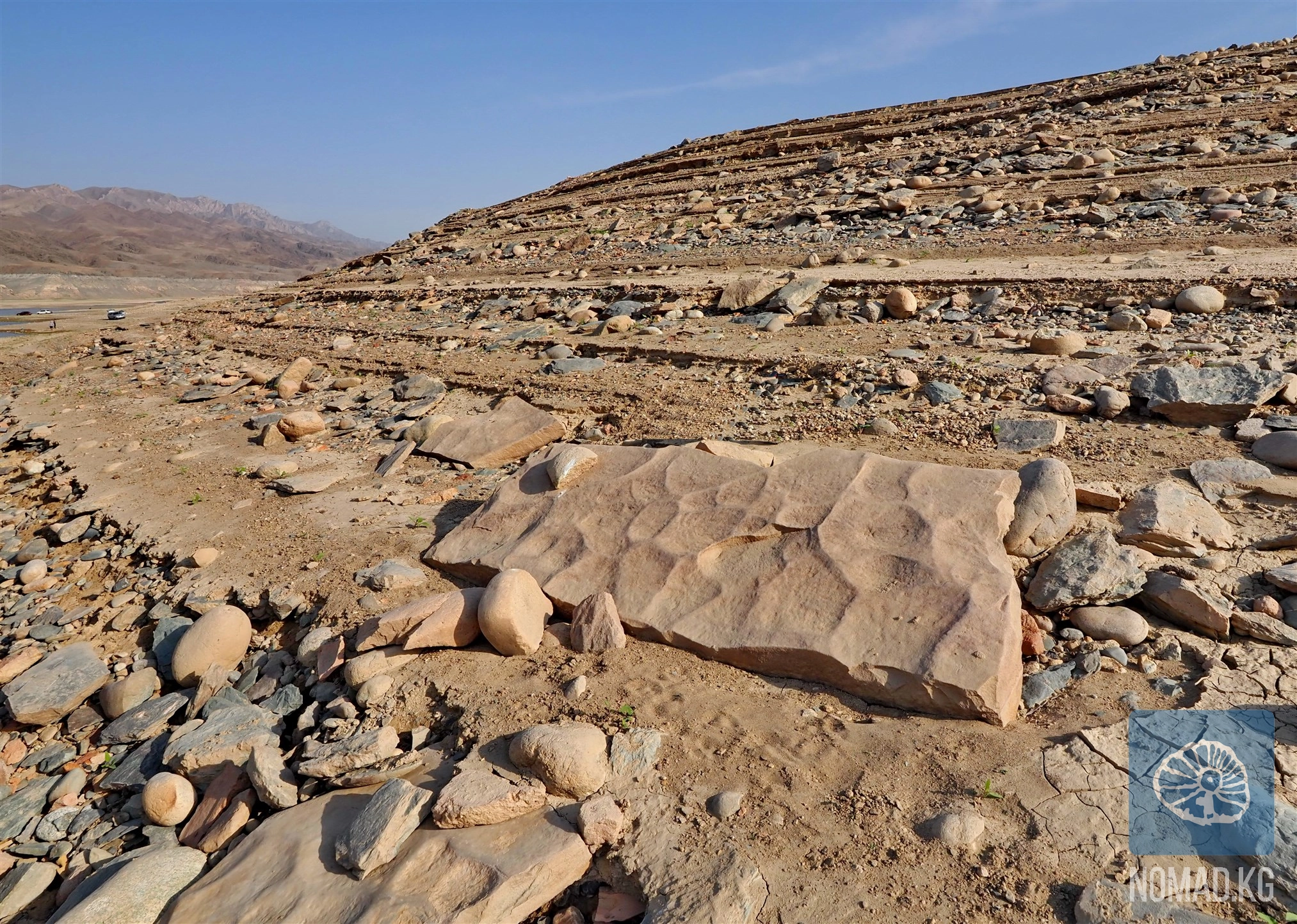
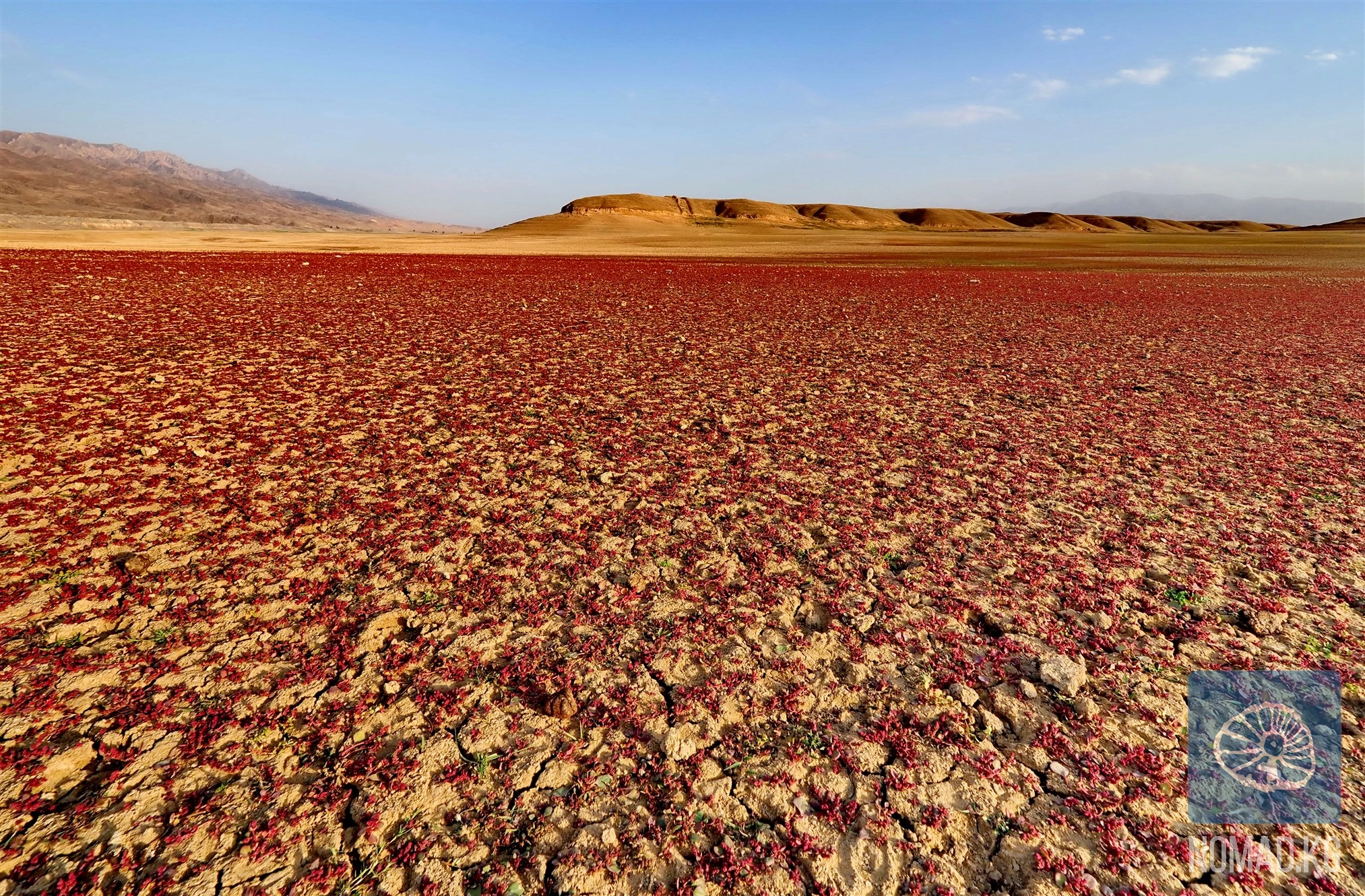
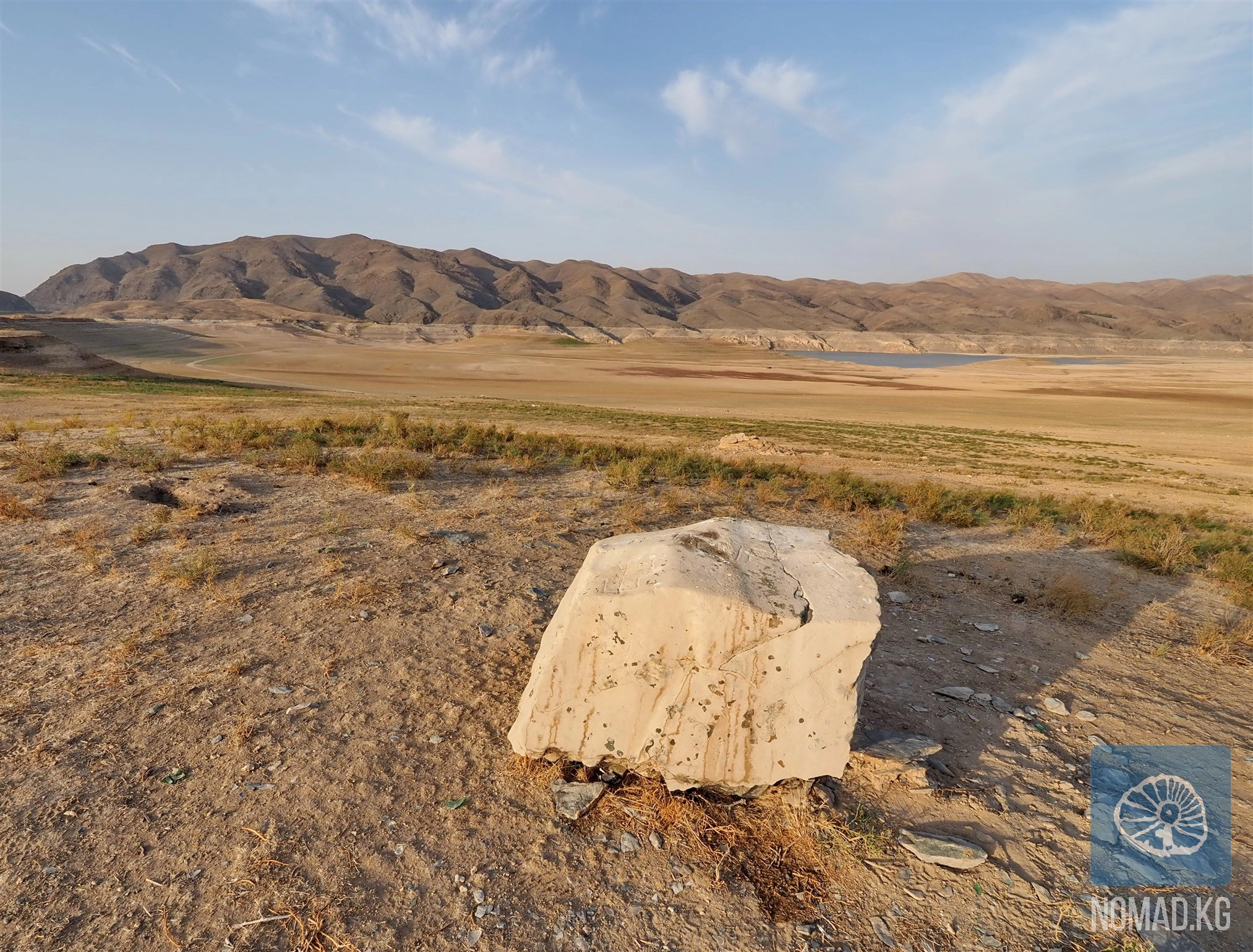
Yet every summer and autumn, when the water level drops, the ancient streets rise to the surface once again. For a few weeks, travelers are given a remarkable opportunity to walk through a genuine medieval city, to see the remnants of its four defensive walls, mounds, and furnaces—as if time momentarily rewinds.
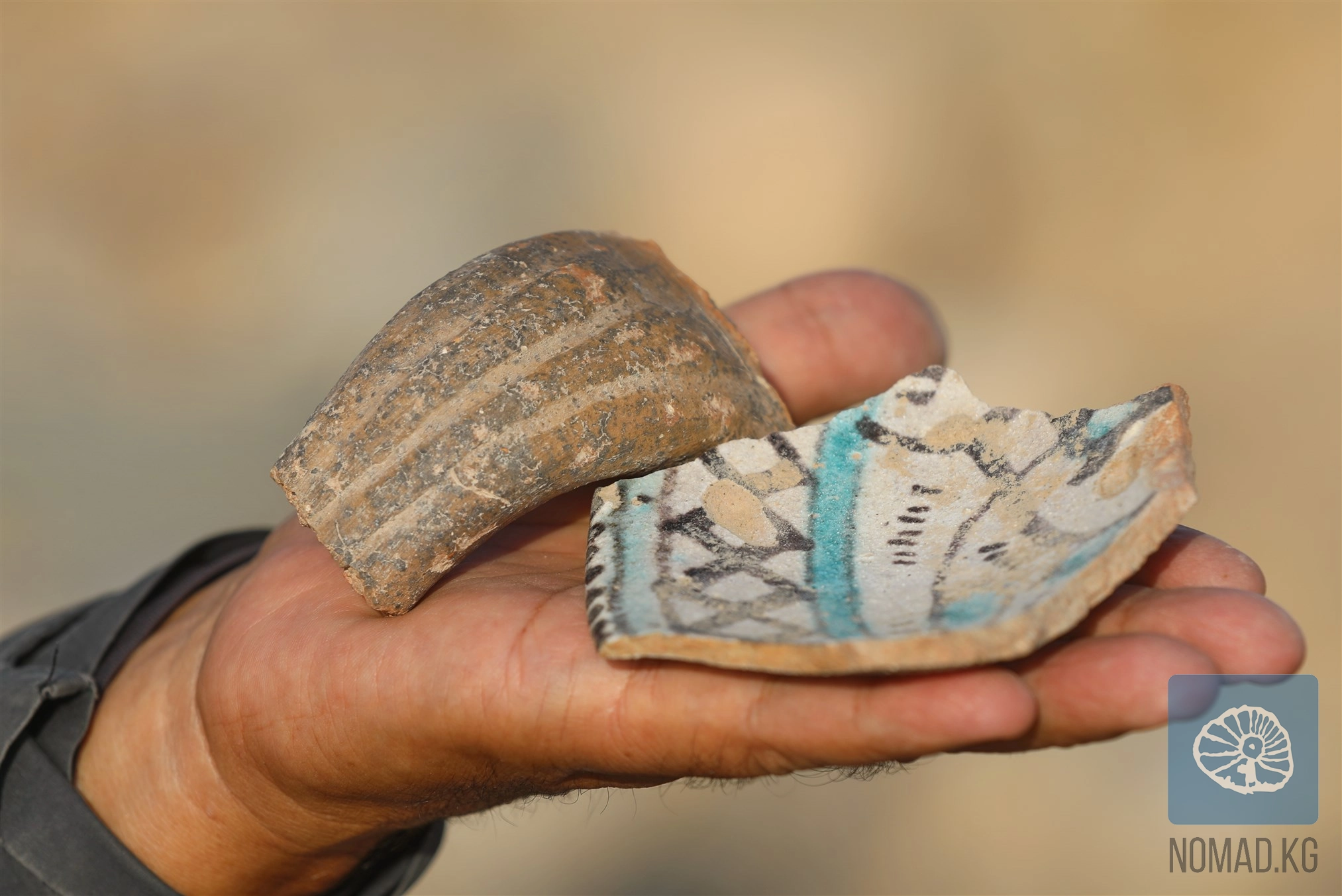
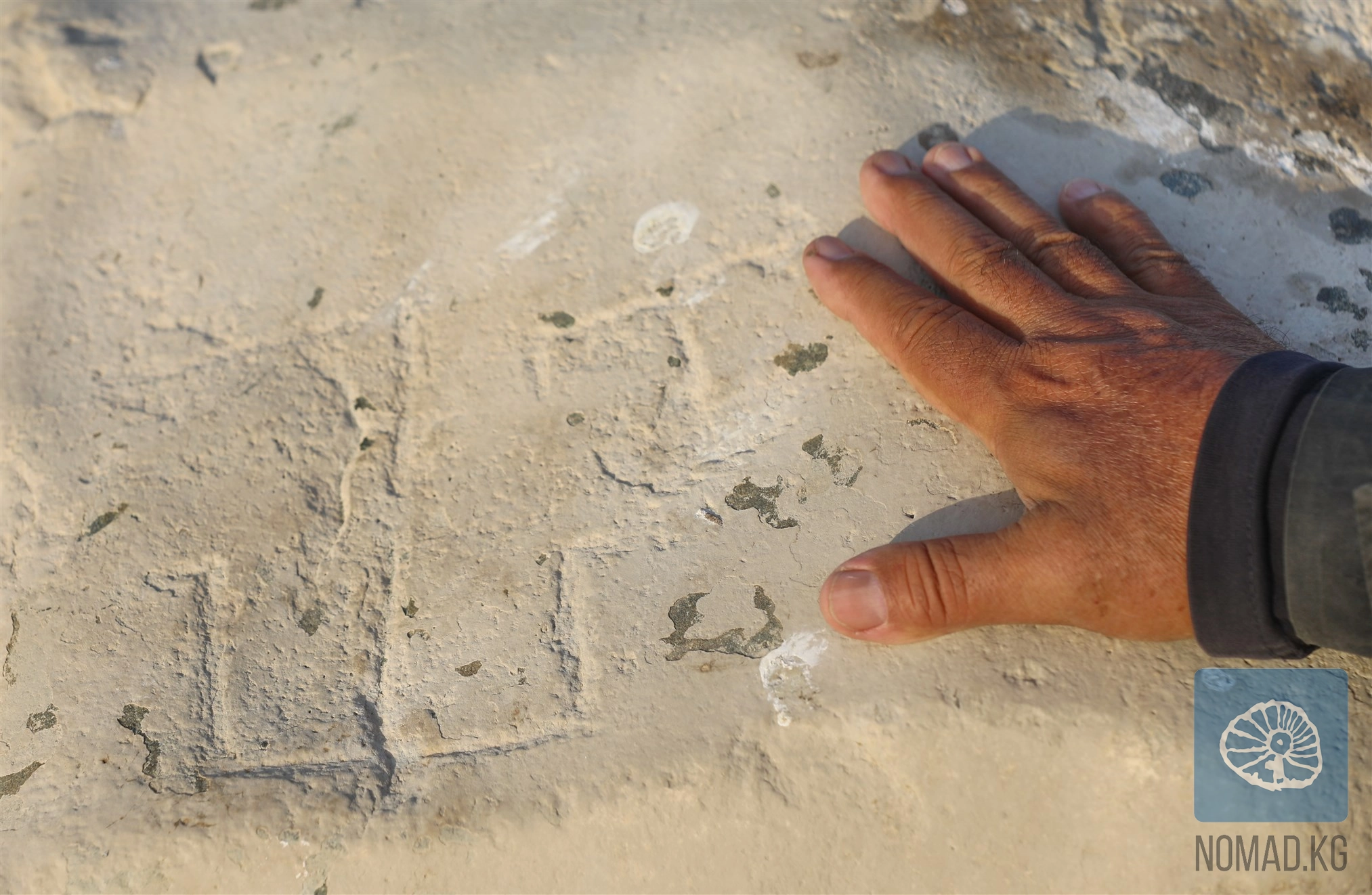
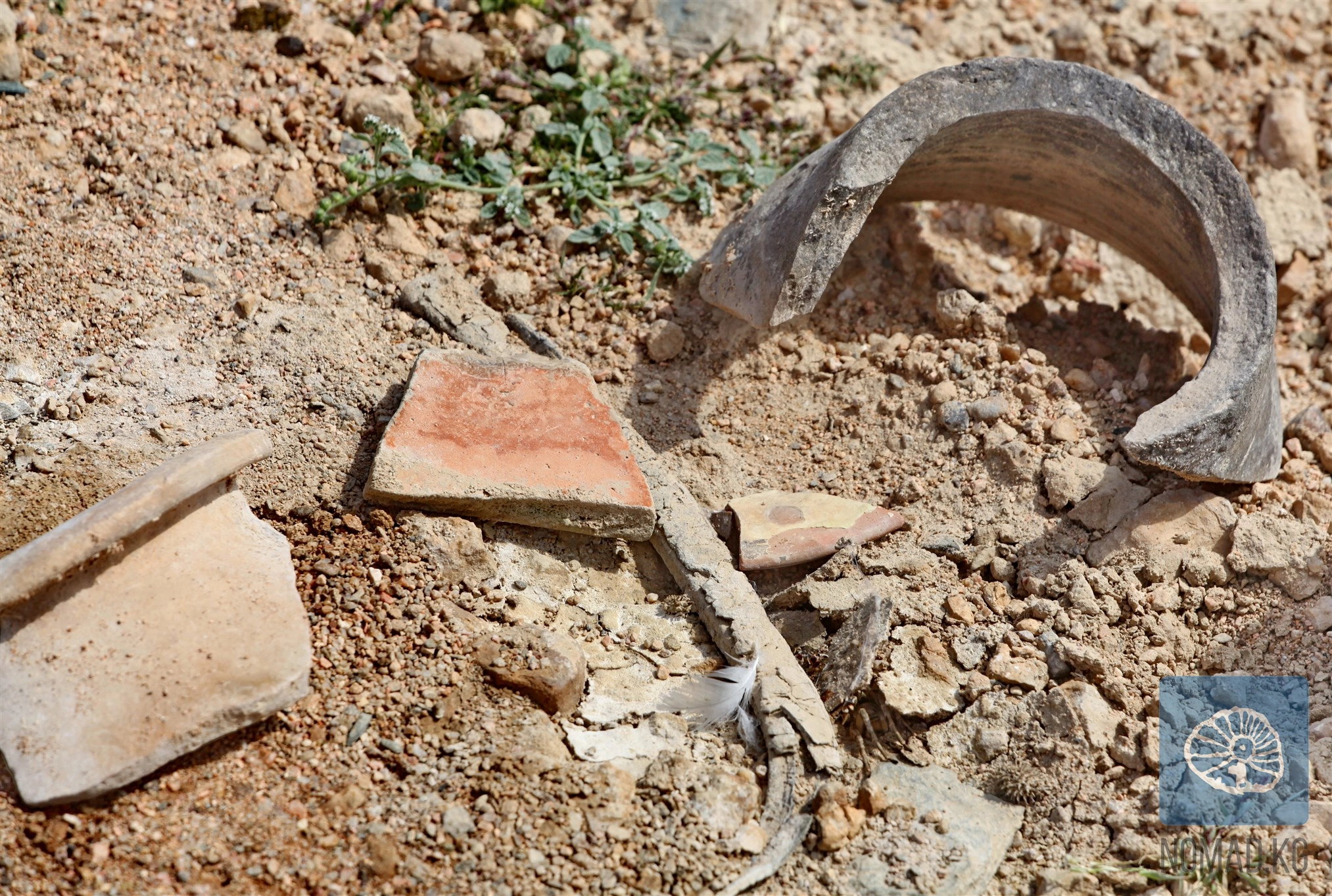
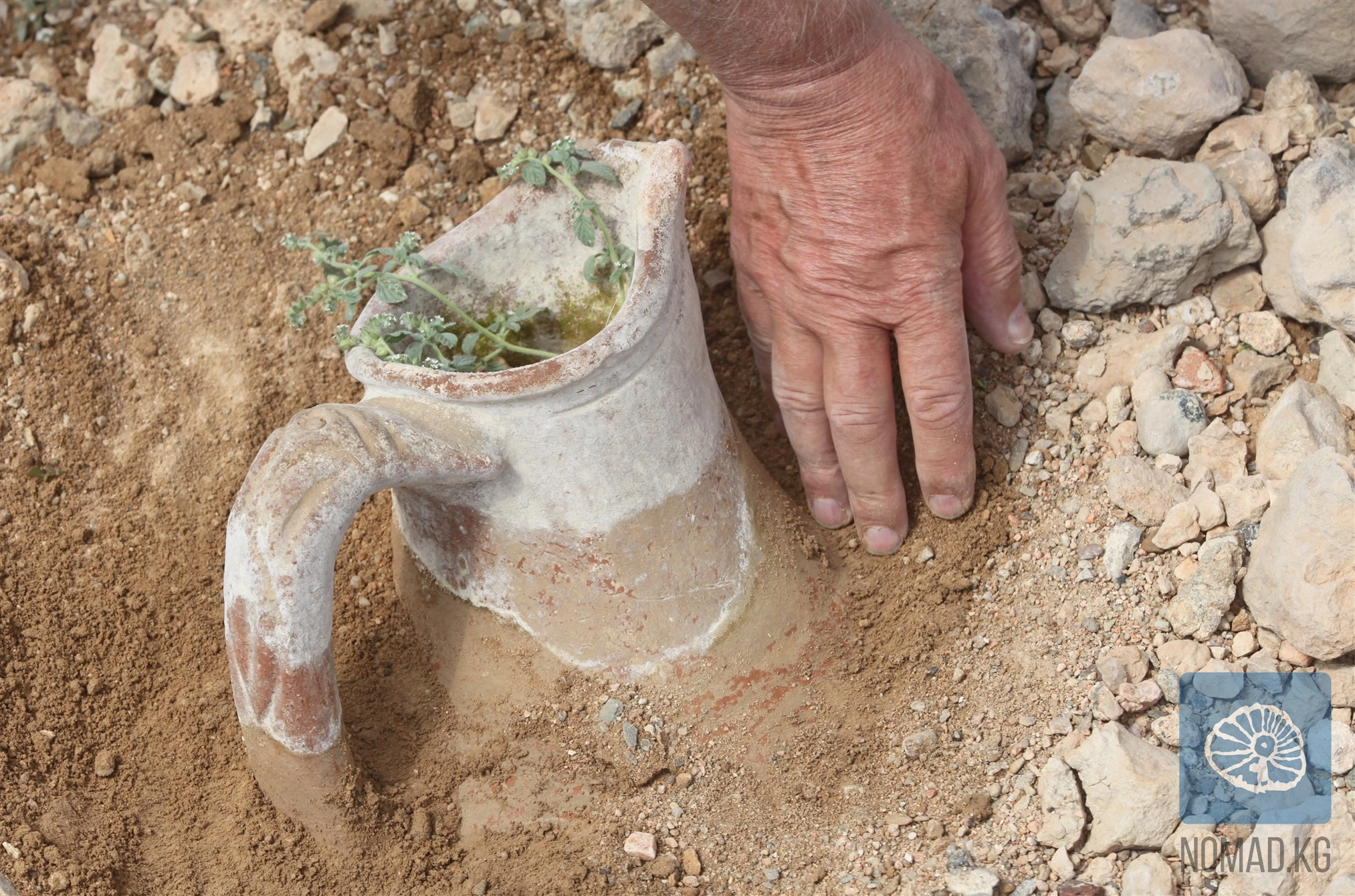
In its architecture, Shel'dzhi combined all the features of a classic medieval city in Central Asia. At its center stood the citadel, the residence of the ruler, surrounded by a powerful clay rampart. To the right, on the hill, fragments of the second defensive ring and parts of the fortifications are still visible today. Between the first and second ramparts lay the shahristan—the administrative and cultural center of the city. Here lived noble families, warriors, and craftsmen; there were cult objects and trading rows. At the excavation site, fragments of pottery and pieces of clay hearths resembling modern tandirs can be found. The outer rampart limited the rabat—the residential and industrial area, where daily work thrived. It was here that metallurgical workshops were located.
Shel'dzhi was famous for its ability to smelt lead, silver, copper, bronze, and possibly iron. This was made possible by the city's favorable location: nearby runs the Chon-Kapka gorge, where constant winds blow—ideal for ancient smelting furnaces. It is no wonder that Shel'dzhi became one of the two silver capitals of Central Asia. Local silver was sold both east and west—along the branches of the Great Silk Road. The city flourished, expanded, and at one time was the largest among the settlements of Upper Talas.
Serious research of the settlement was conducted during the Soviet era under the guidance of archaeologist P. N. Kozhemyako. The scientist managed to carry out a significant portion of the work, but the results were never published and were largely lost after his death.
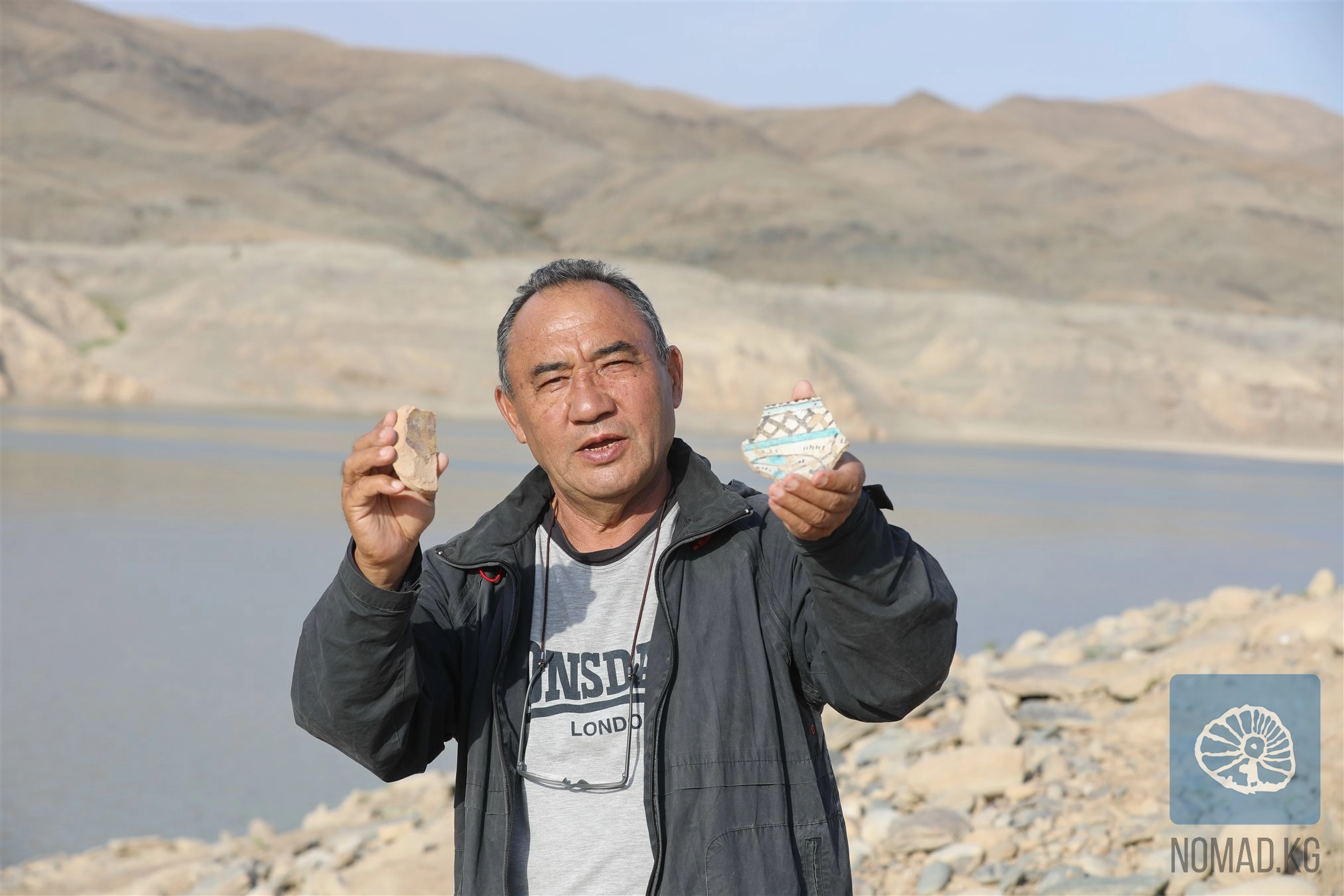
The situation changed a few years ago when the residents of the village of Cholponbay noticed that the river had eroded the bank and exposed a wall made of fired bricks. The report reached one of the founders of the Nomad.kg website, local historian and regional director of the Union of Photojournalists Gamal Soronkulov. He surveyed the site, published photographs, and researchers responded to the discovery. Thus began a new archaeological movement around Shel'dzhi. The research group included employees from the National Academy of Sciences of Kyrgyzstan, the State Hermitage, and specialists in digital archaeology from Bashkortostan. After receiving official permission for excavations, they began studying the territory. According to Gamal Soronkulov, this needs to be done quickly: "Black diggers" have already taken many artifacts to Kazakhstan. Nevertheless, scientists are confident that Shel'dzhi still holds world-class finds.
The best months to visit are August, September, and early October. The water recedes, and the shoreline expands, providing access to ancient structures. Travelers and tourists can see: the lines of ramparts and fortifications; the foundations of buildings; remnants of clay hearths; fragments of pottery; metallurgical traces—pieces of lead, copper, bronze. However, it is important to remember that taking any finds is prohibited: the settlement is an object of archaeological heritage.
Shel'dzhi is not just an archaeological monument. It is a rare case where history literally lies beneath the water and only briefly returns to people. The city, which for centuries was a center of crafts, trade, and metallurgy, today lives a second life—as a scientific object, a tourist mystery, and an unexpected reminder of Talas's rich past. Every year it disappears again beneath the water's surface, taking with it some of its secrets. And every year it returns—to tell its story to those who know how to listen.
If there is a place in the Talas region that amazes from the very first step, it is the Talas Birch Grove - the largest man-made birch forest in all of Central Asia and one of those places where humans and nature have created a true oasis of
If you have already seen Lake Besh-Tash and think that the national park has revealed all its secrets to you, then you simply haven't yet ascended the Itagar Pass. This is the route after which photos remain in your phone's memory that you
Among the picturesque mountains of the Bakai-Ata district, not far from the village of Urmaral, lies one of the most mysterious and revered places in the Talas region - the Kara-Koyun cave. This is not just a dark niche in the rocky mass, but a
Where once small rural streets stretched along the river valley, where people lived a measured steppe life, today lies a vast expanse of water - the Kirov Reservoir, one of the most significant hydraulic structures in Kyrgyzstan and an impressive
In the very heart of the blessed Talas Valley, where the silvery Talas River leisurely carves its path between two majestic mountain ranges - the Talas and Kyrgyz ranges - lies a unique natural oasis. The Talas Forest is not just a green stripe on
The Ötmäk Pass (3326 m above sea level) is one of the most impressive places in the Talas region and an essential mountain artery connecting the closed Talas Basin with the expansive Suusamyr Valley and the strategic Bishkek-Osh highway. This is the
In the Talas Valley, among the hills and green valleys, lies one of the most revered sacred places in the region - the mazar of Boo-Terek. Its name translates from Kyrgyz as "a bundle of poplars" or "many poplars," and this is no
The Talas Geopark "Echkilі-Tuu" is located in the mountain range of the same name, Echkilі-Tuu, which is part of the Kyrgyz Ala-Too ridge, in the Sary-Kuurai gorge, one of the most impressive natural attractions of Kyrgyzstan. This geopark
In the Talas Valley, there is a place where legends come alive at every step, and the silence of the mountains speaks louder than any storyteller. This is the Besh-Tash Gorge - one of the most picturesque and symbolic natural spaces in Kyrgyzstan.
The Besh-Tash National Park, which translates to "Five Stones," stretches in a narrow chain along the Talas Ala-Too mountain range. On a good gravel serpentine road up the Besh-Tash river gorge, it feels like the car is about to hit the
The Besh-Tash Nature Park covers over 30,000 hectares, stretching nearly 30 kilometers upstream along the river of the same name - from the gentle foothills at an altitude of 1,100 meters to the harsh, cold glaciers rising to 3,500 meters. The park
In the very heart of the picturesque Talas region, amidst the rugged gorges of the Bakai-Ata district, lies one of the most unusual natural wonders of Kyrgyzstan - the "Kara-Kishi" geopark. This place seems to exist outside of time: the
In the narrow stone corridor of the Chon-Kapka gorge, where the road seems to glide between sheer cliffs, a traveler is suddenly confronted by a massive concrete wall of a dam. But what strikes one the most is not the engineering itself, but the art
On the strategic route from Bishkek to Osh, at the turning point towards the road leading to the Otmak Pass (3332 m) and further into the Talas region, lies one of the most recognizable places along the entire route - the so-called "Gates of
Just thirty minutes by car and ten minutes on foot from Talas lies an amazing place - the Kulaan-Sai mine, one of the most accessible old workings for lead ore extraction in the region. At first glance, an ordinary mountain gorge, Kulaan-Sai