

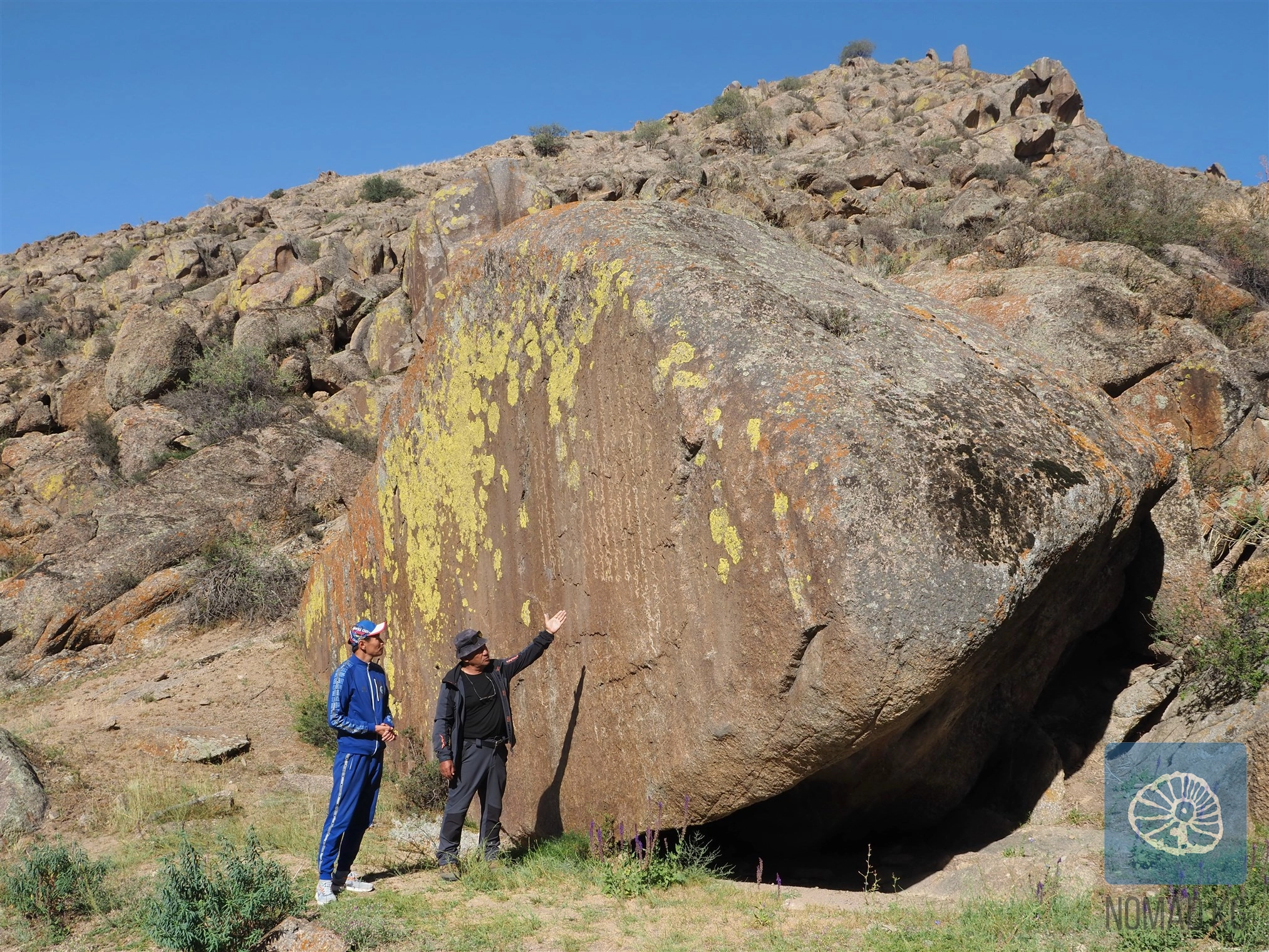
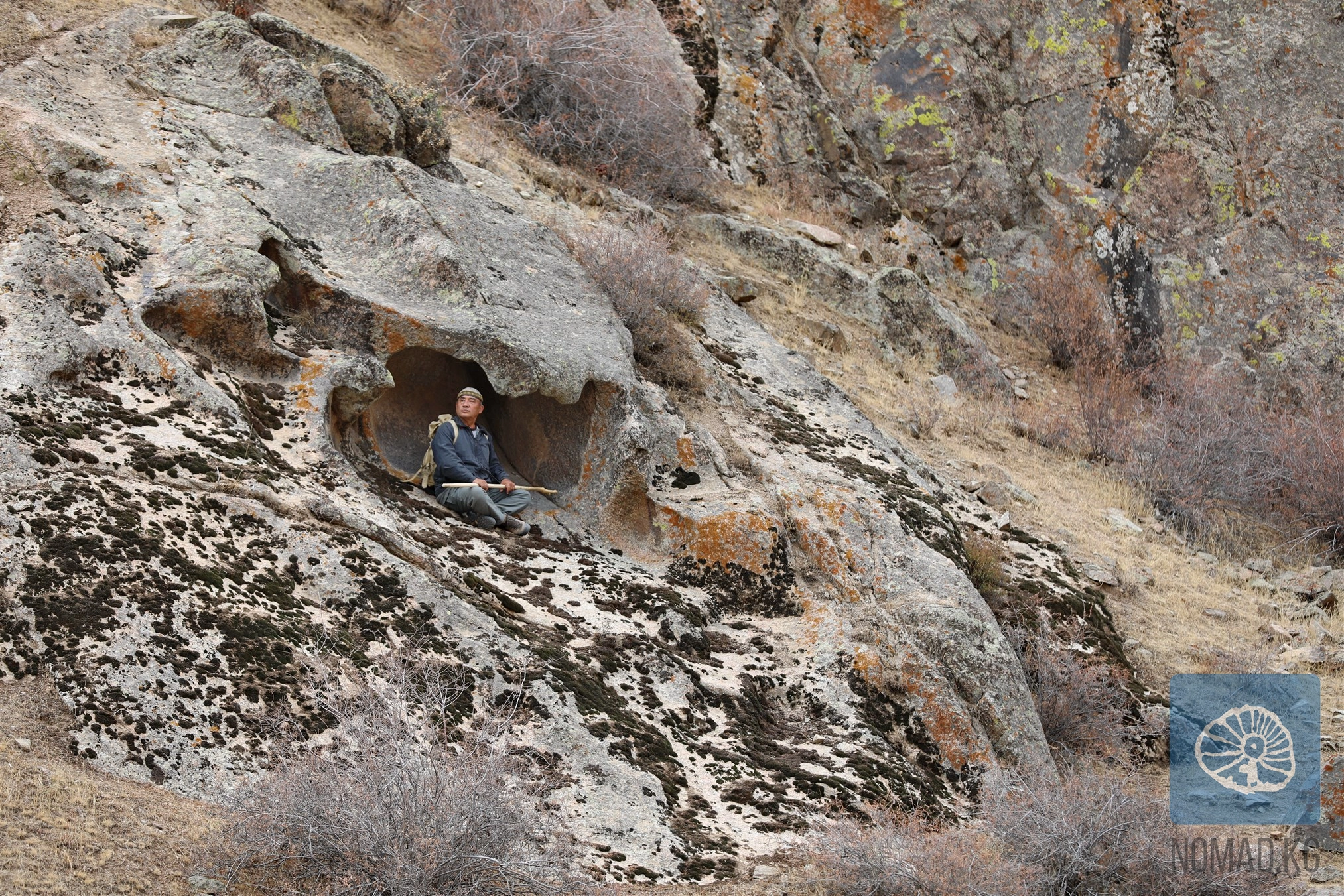
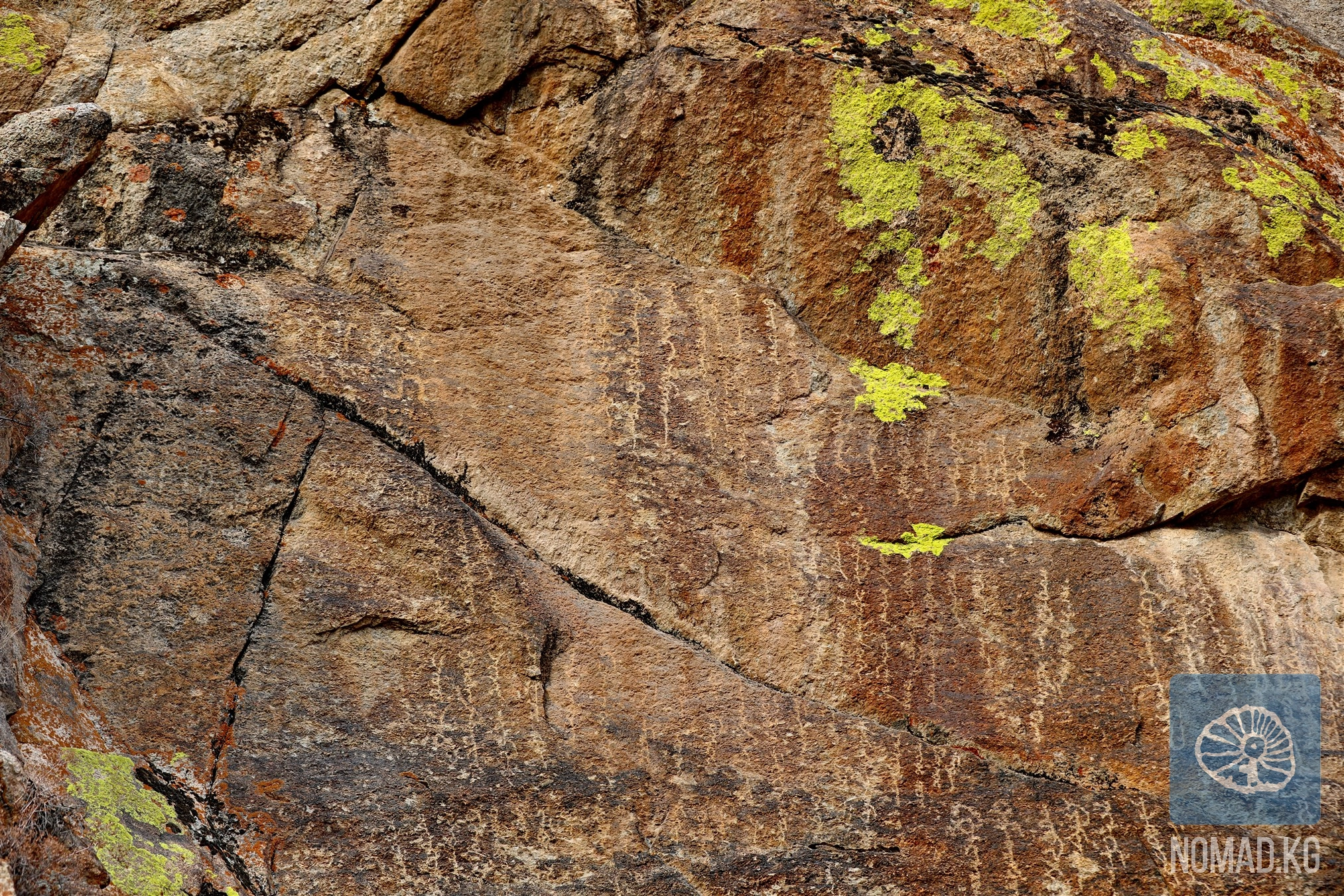
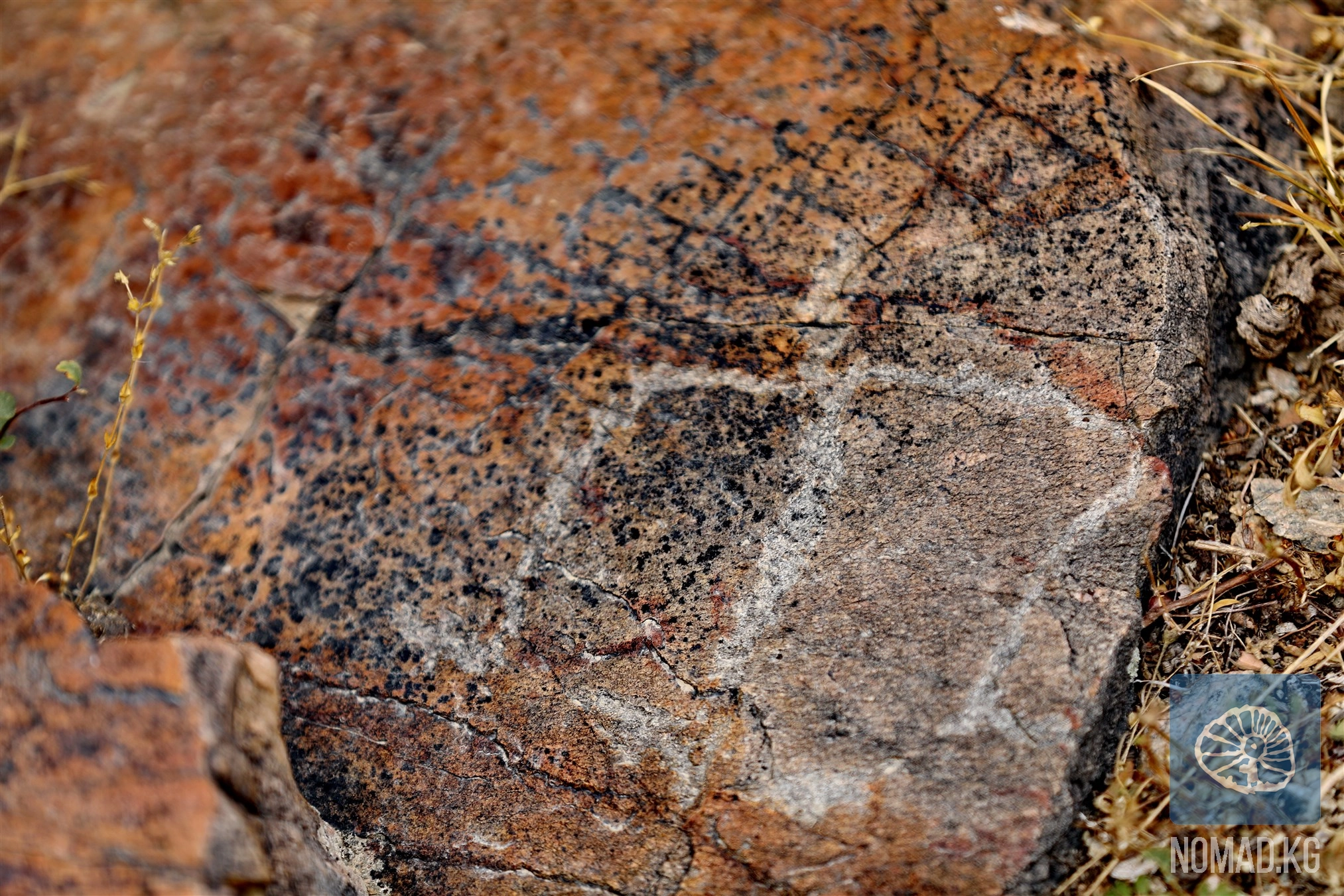
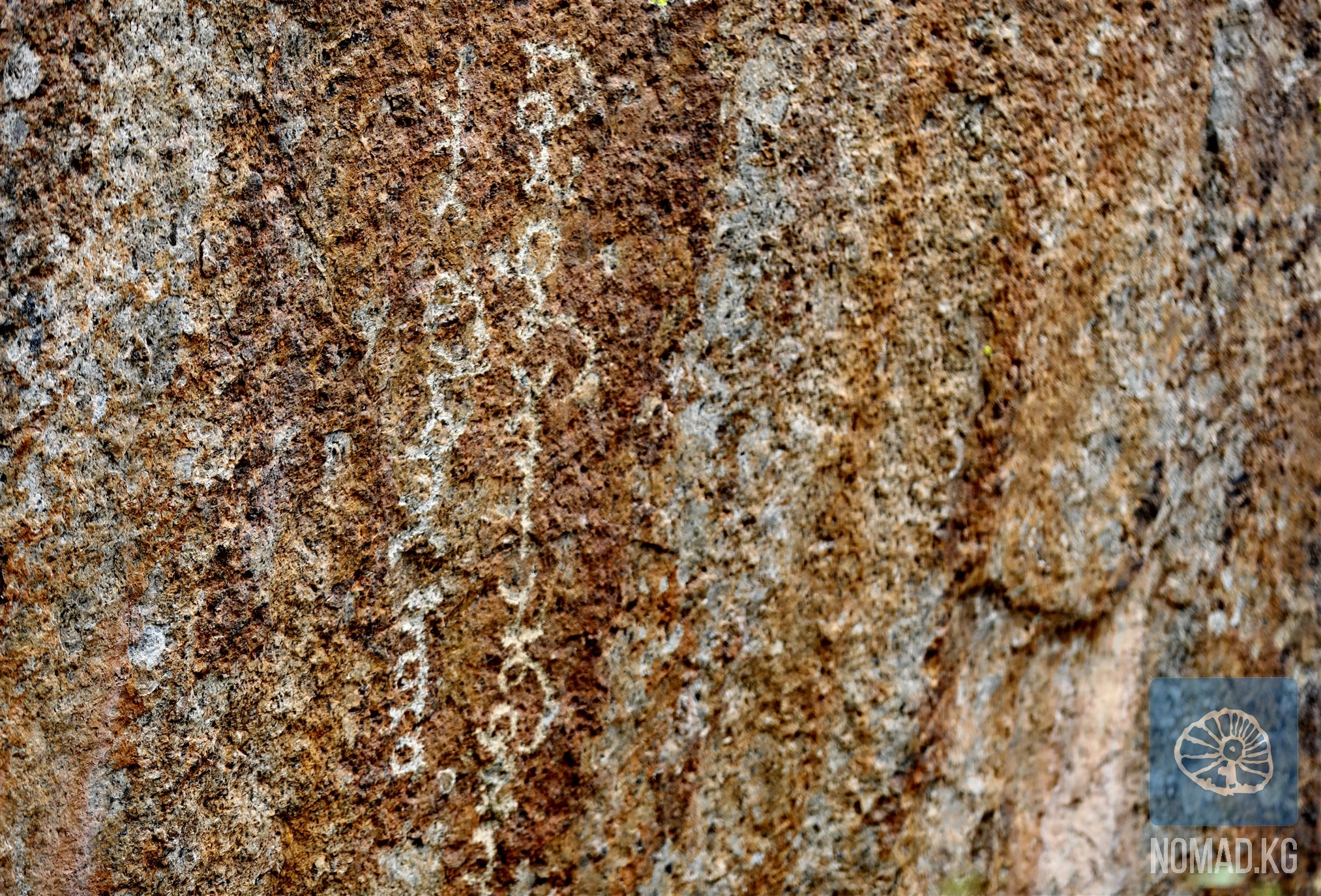
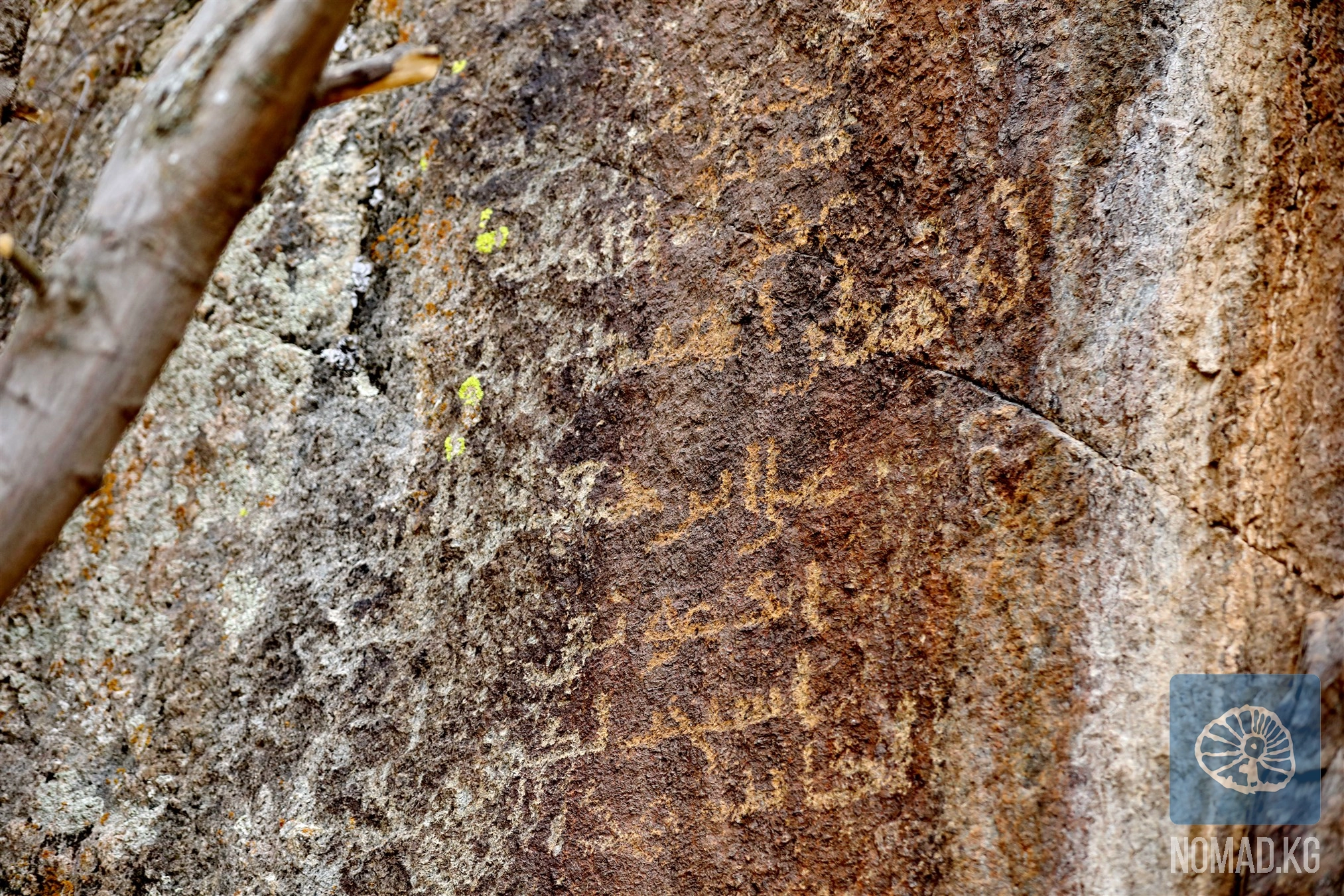
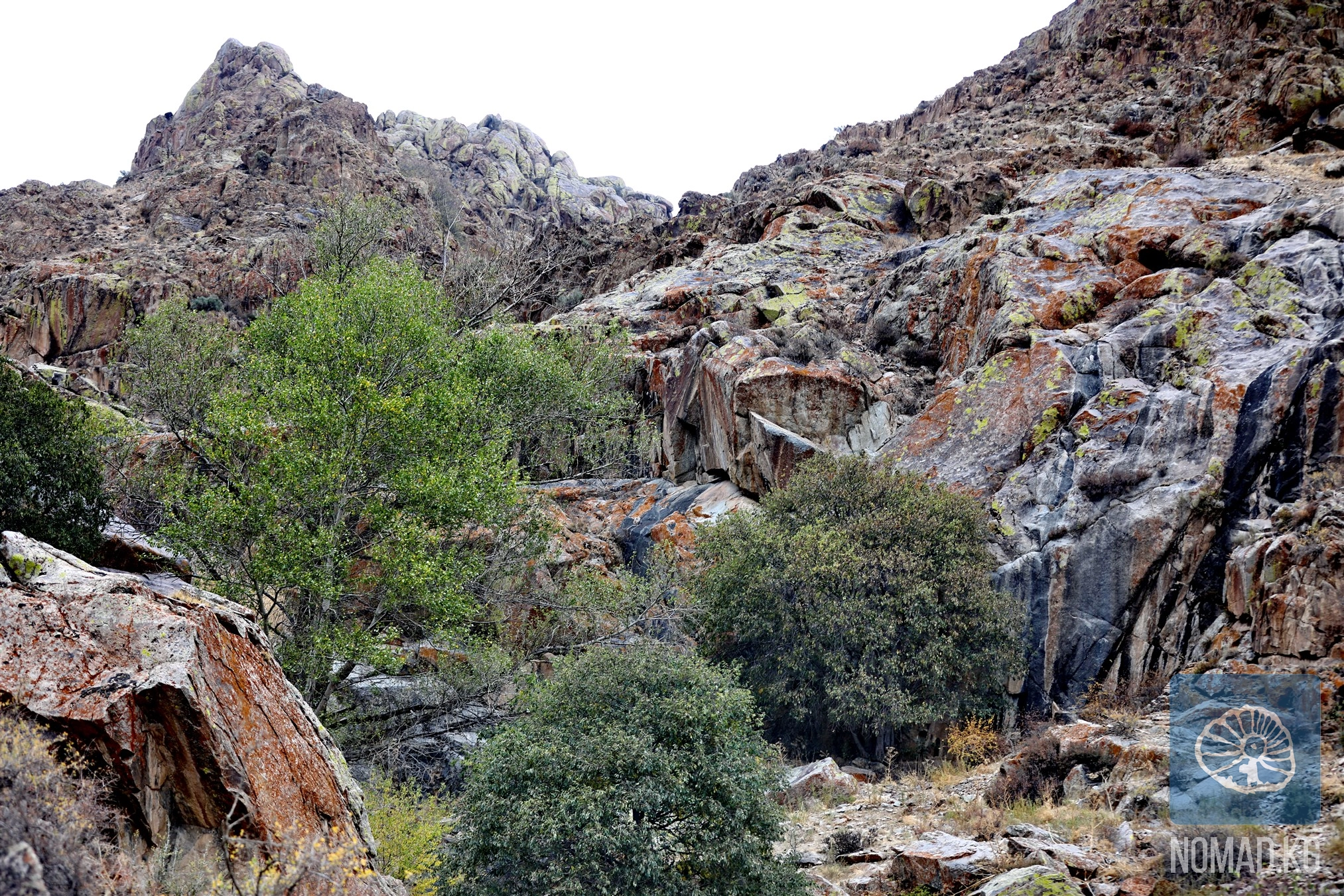
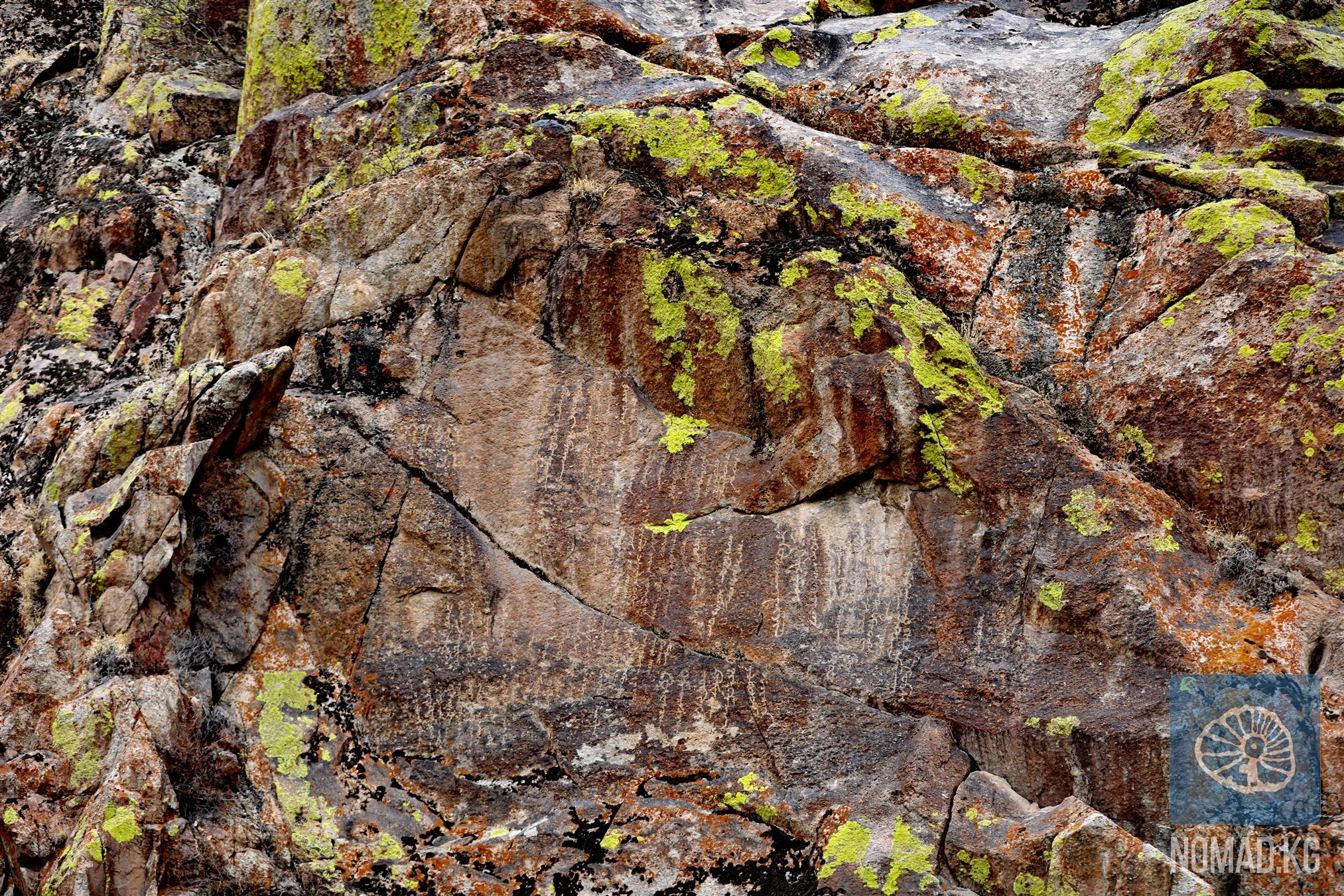
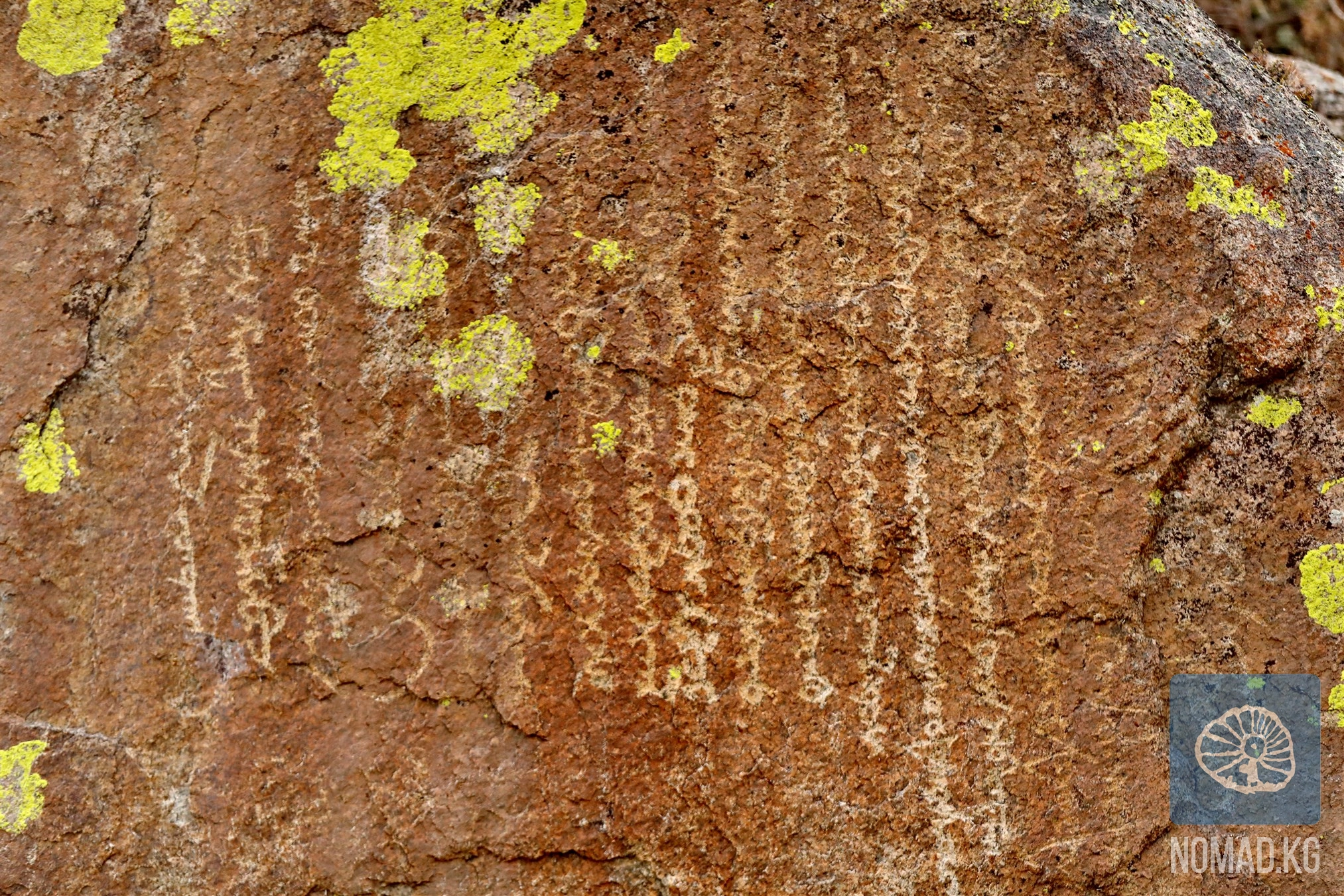
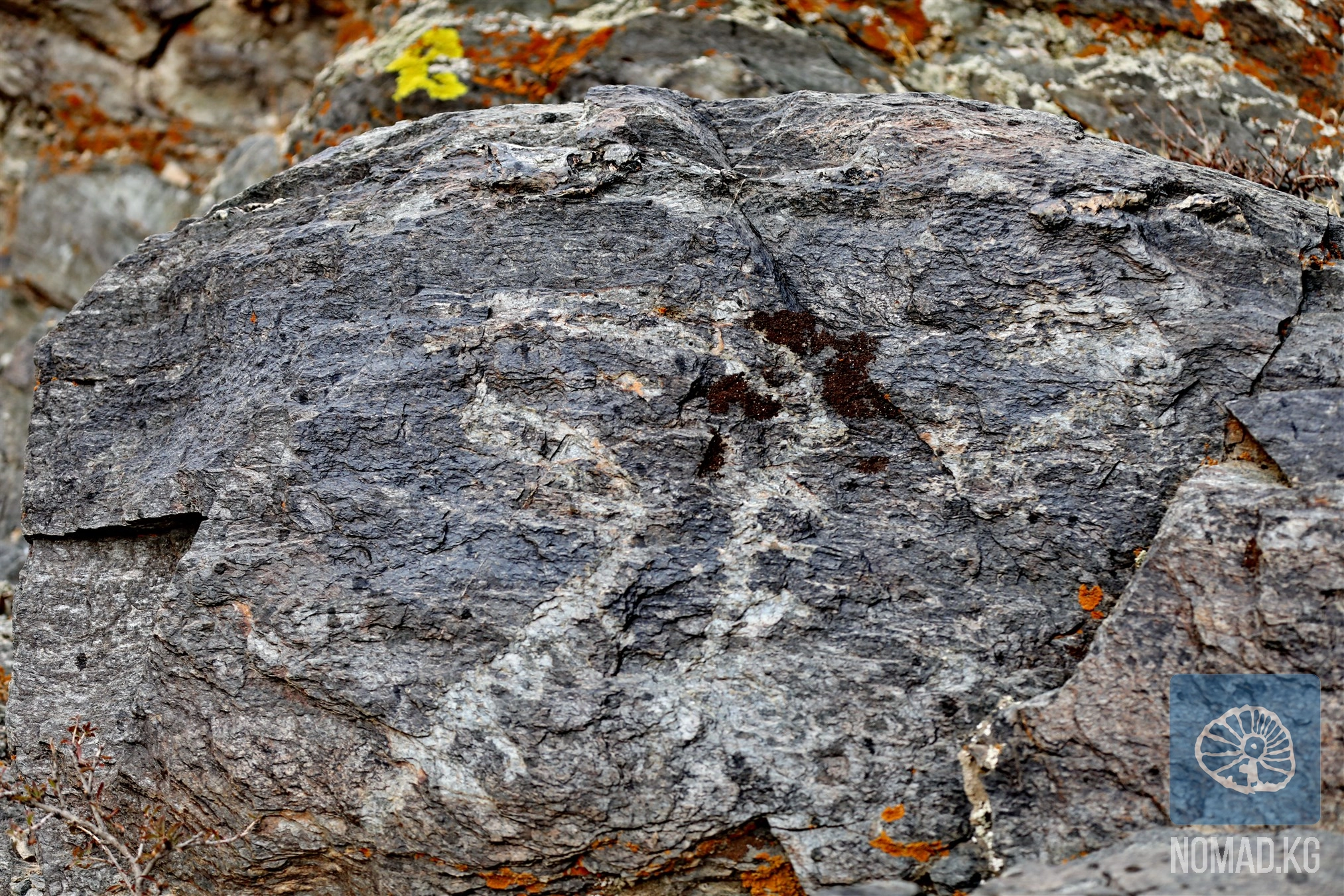
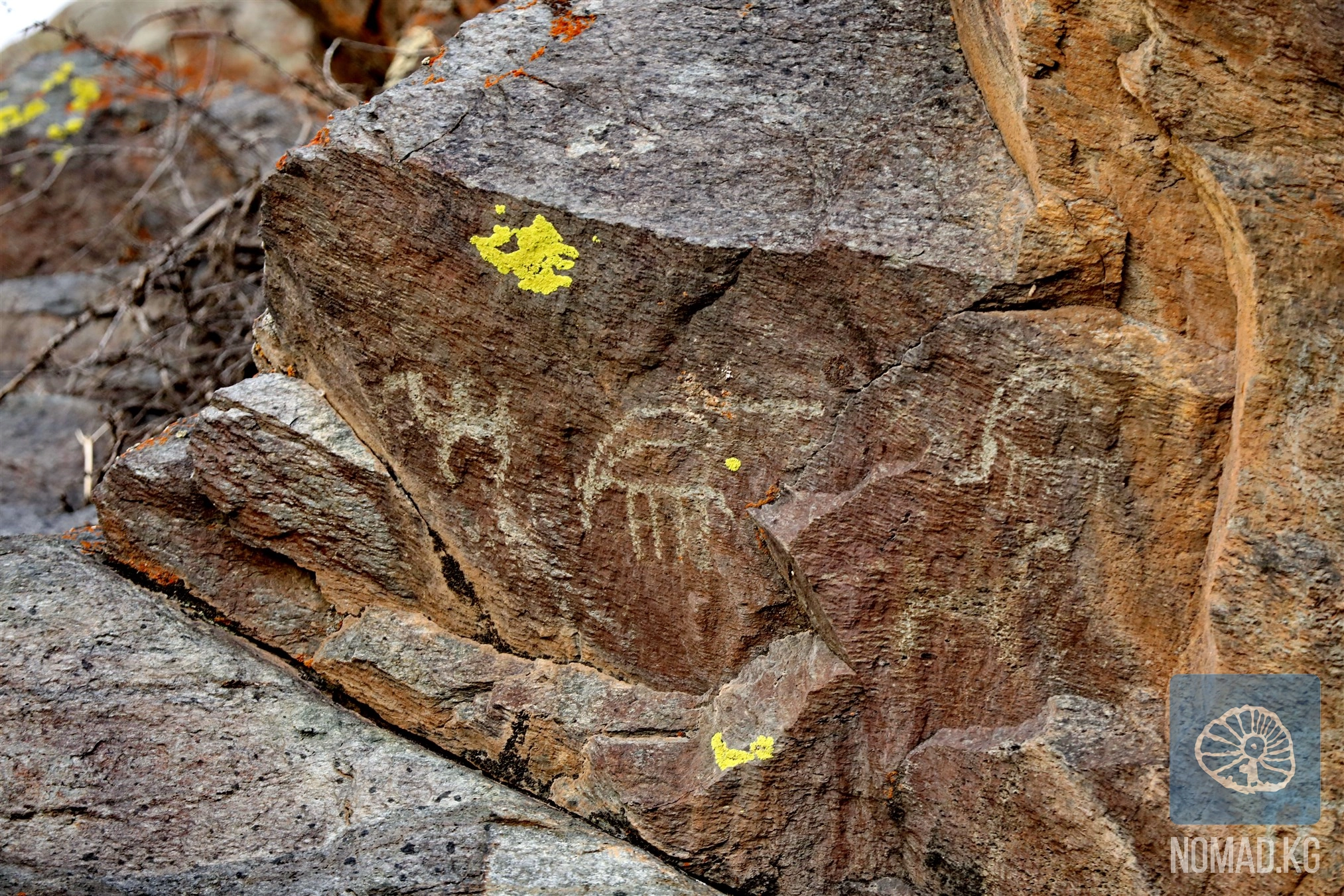
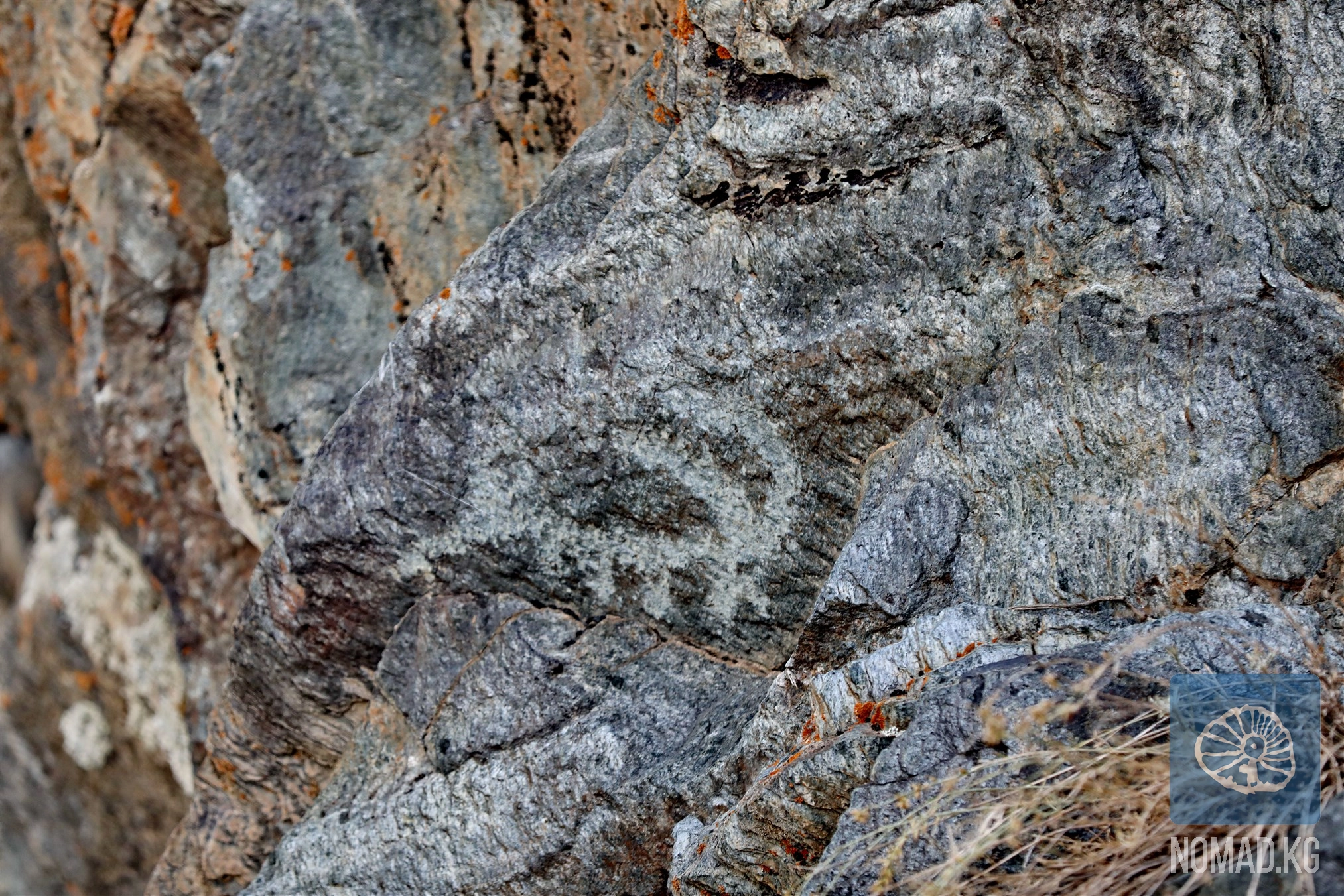
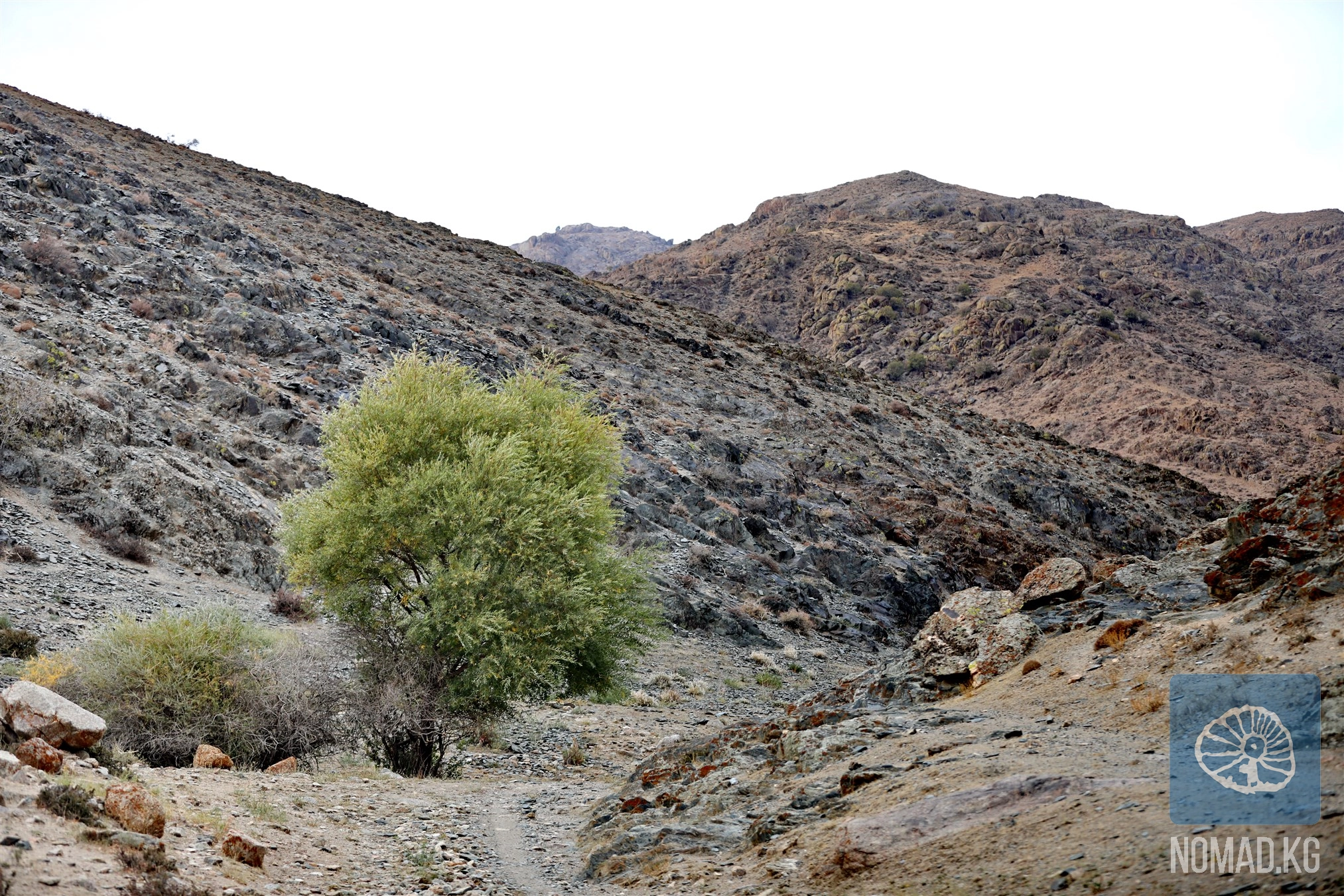
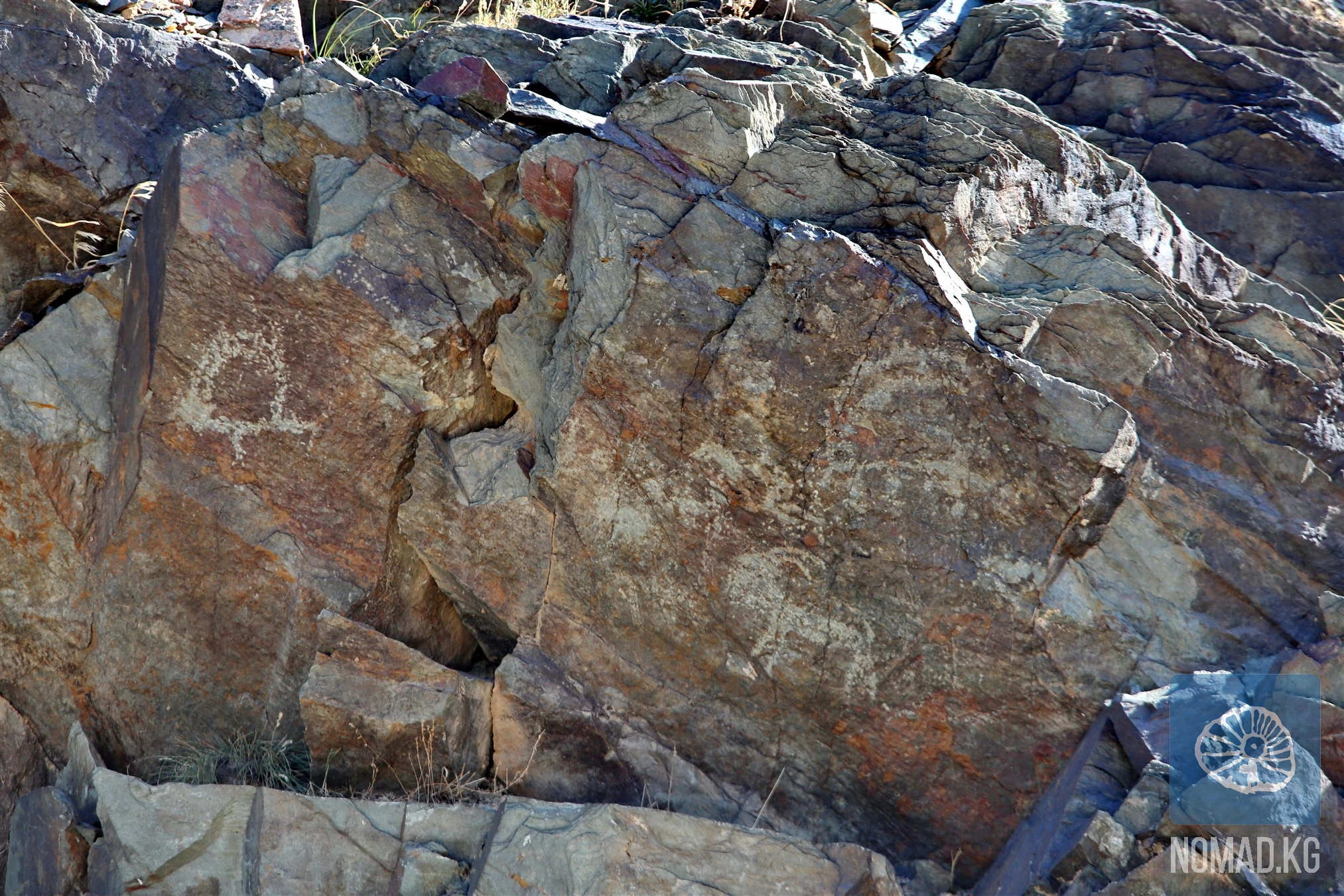
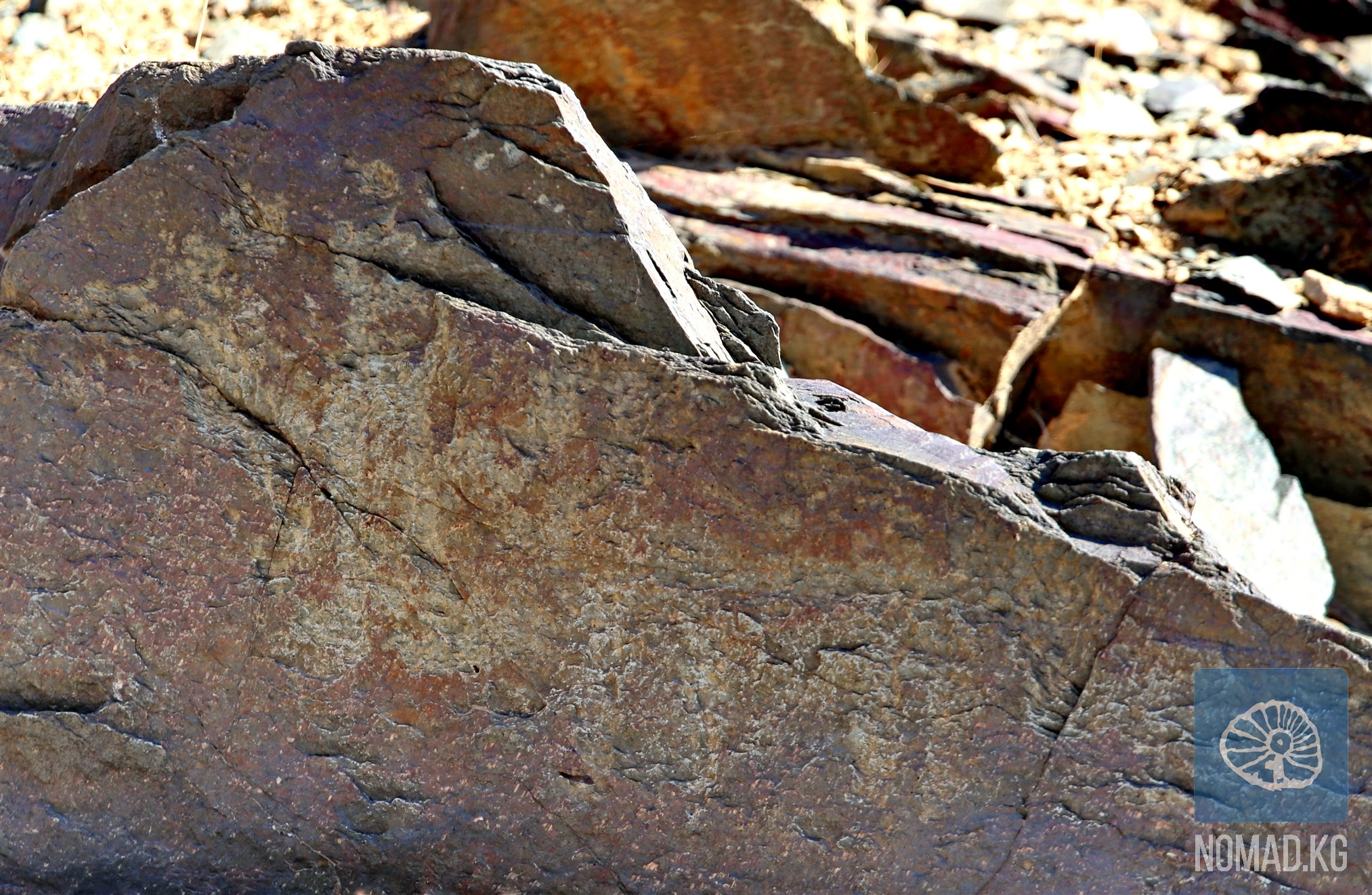
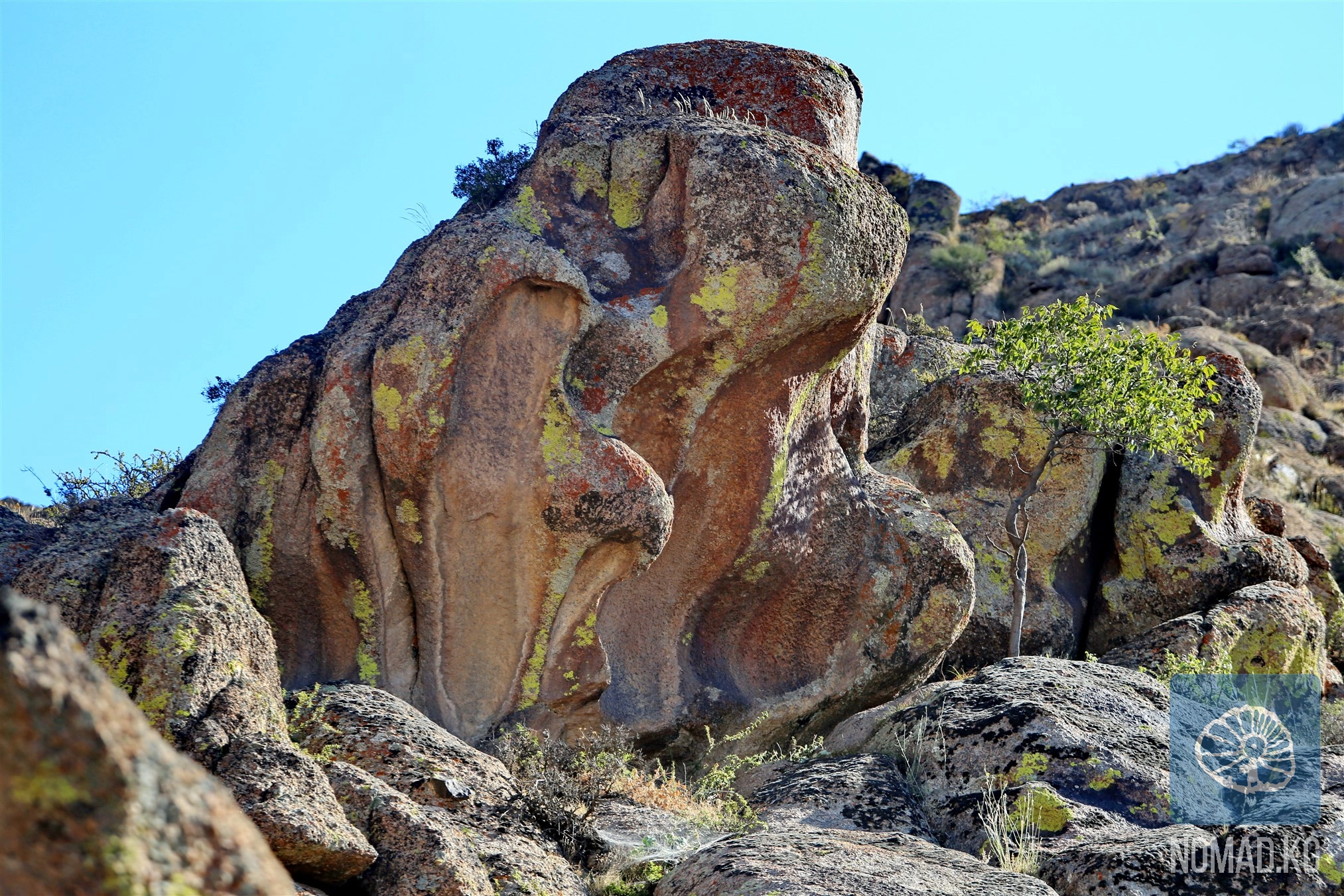
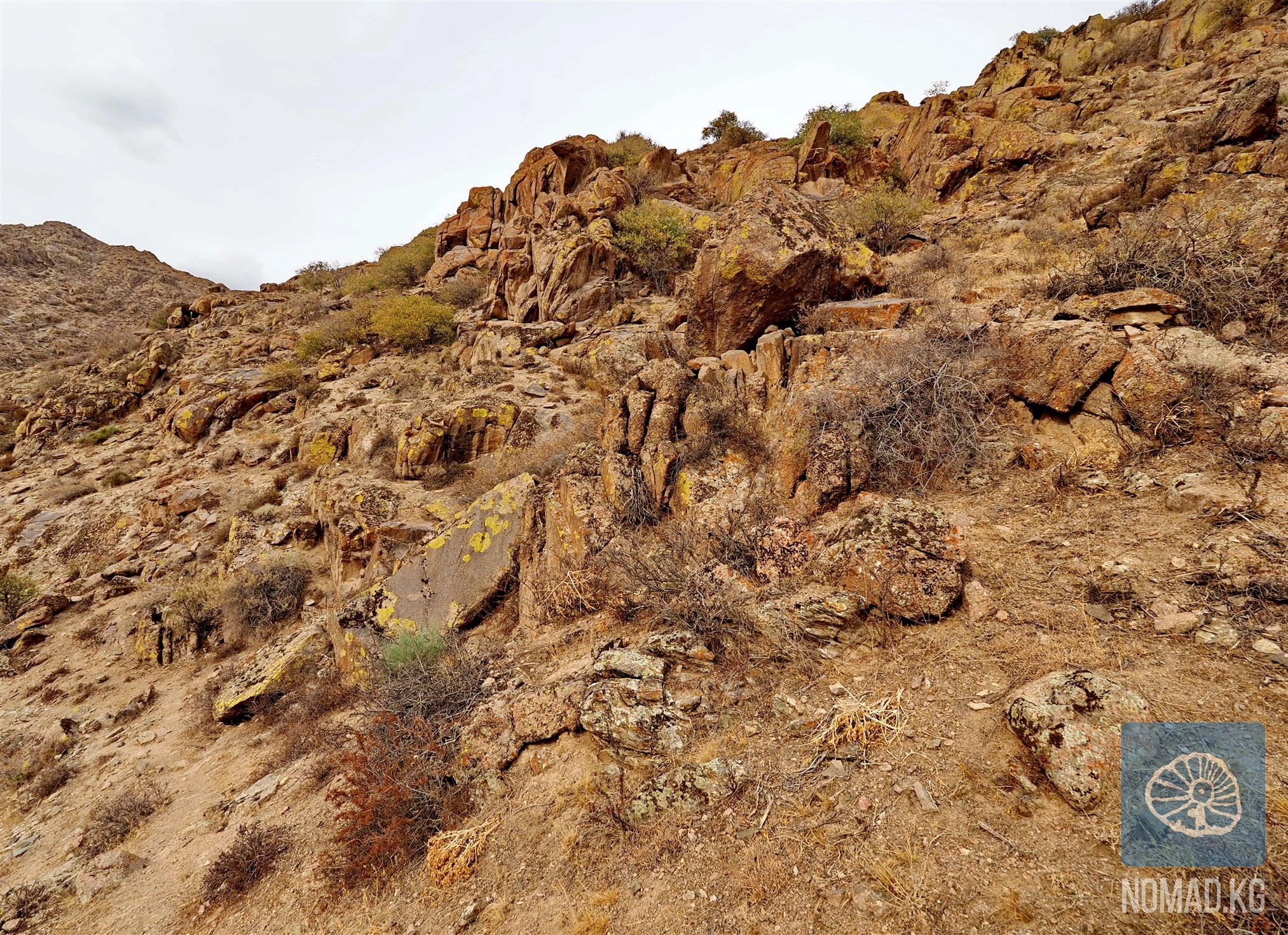
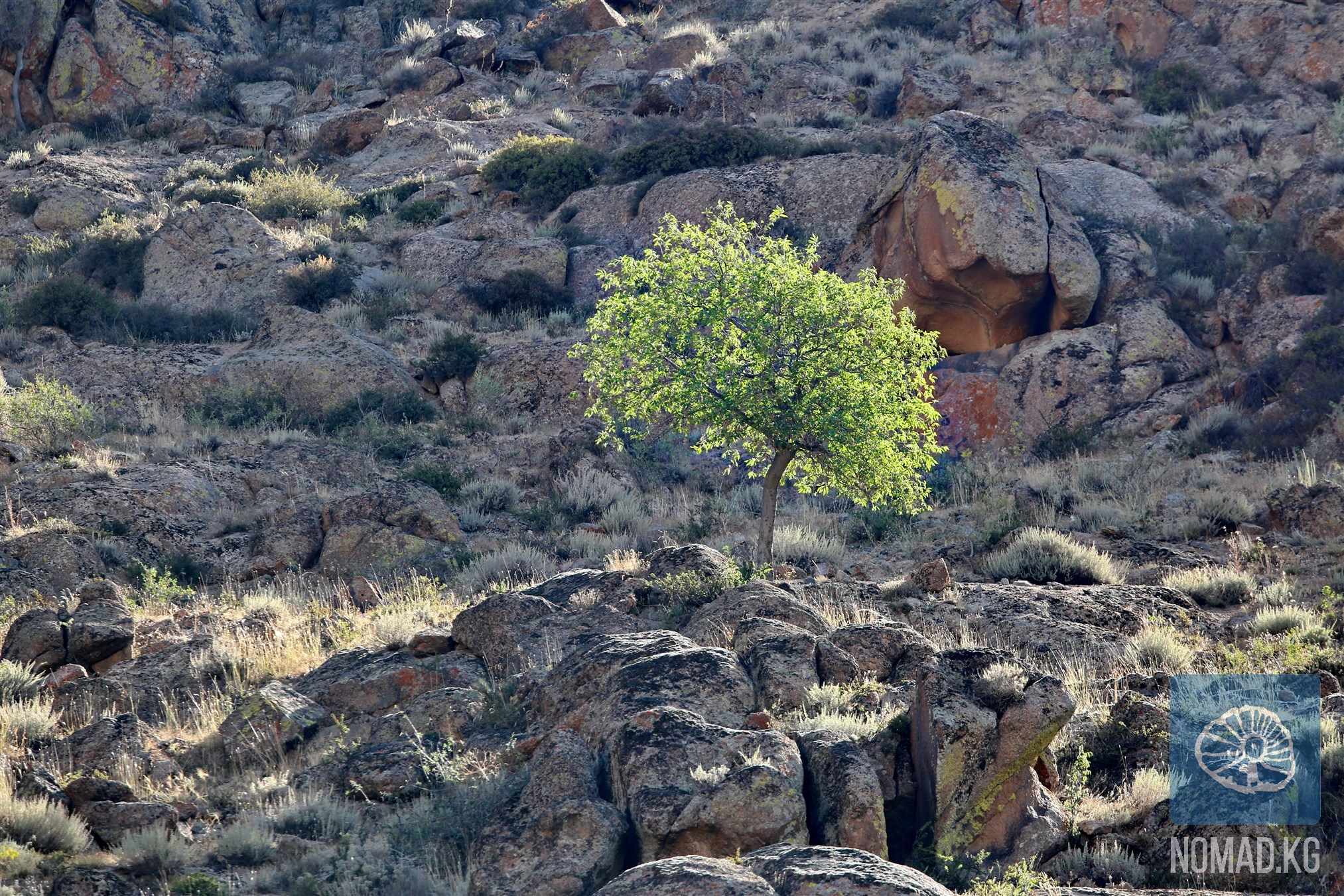
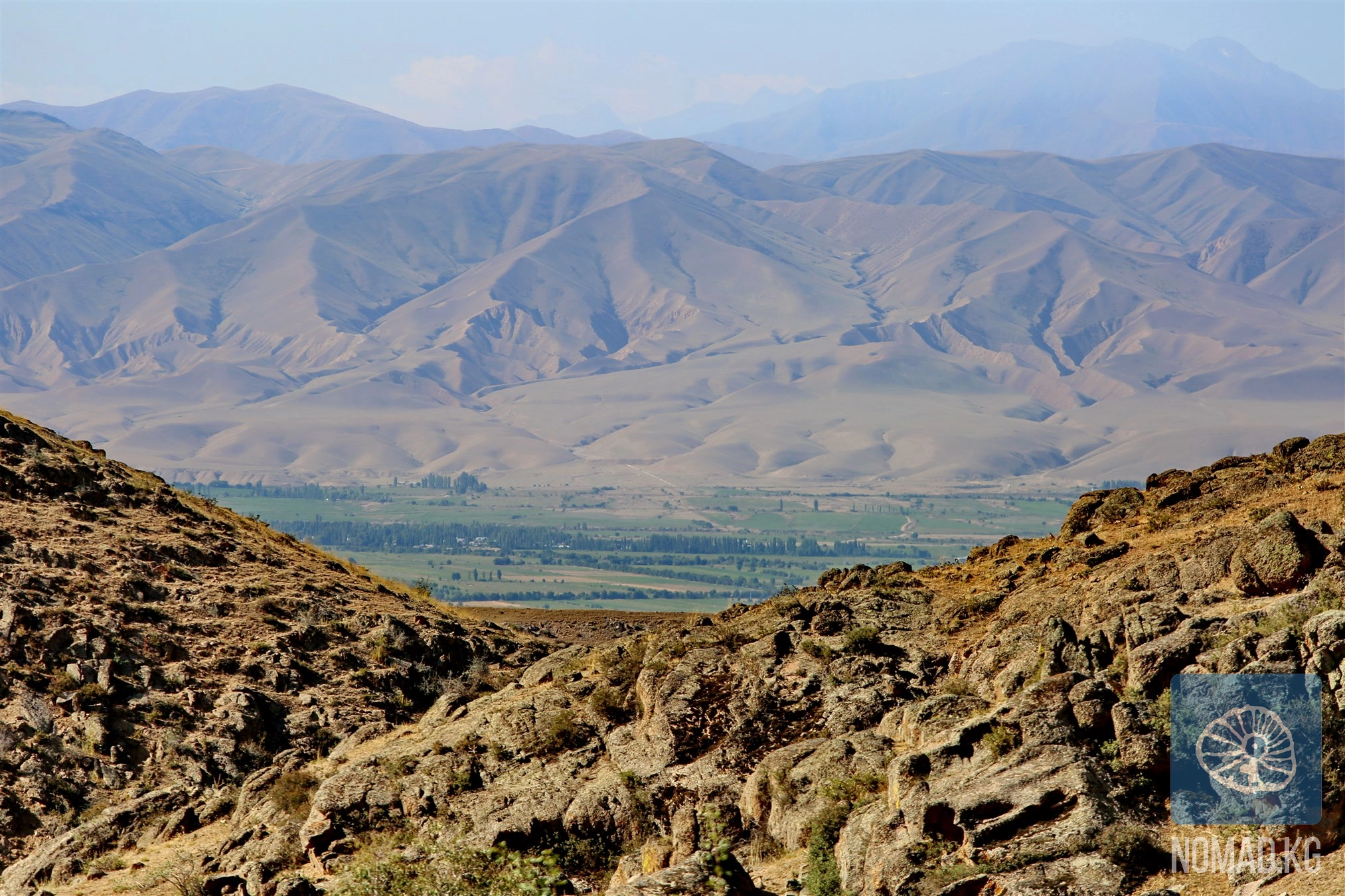
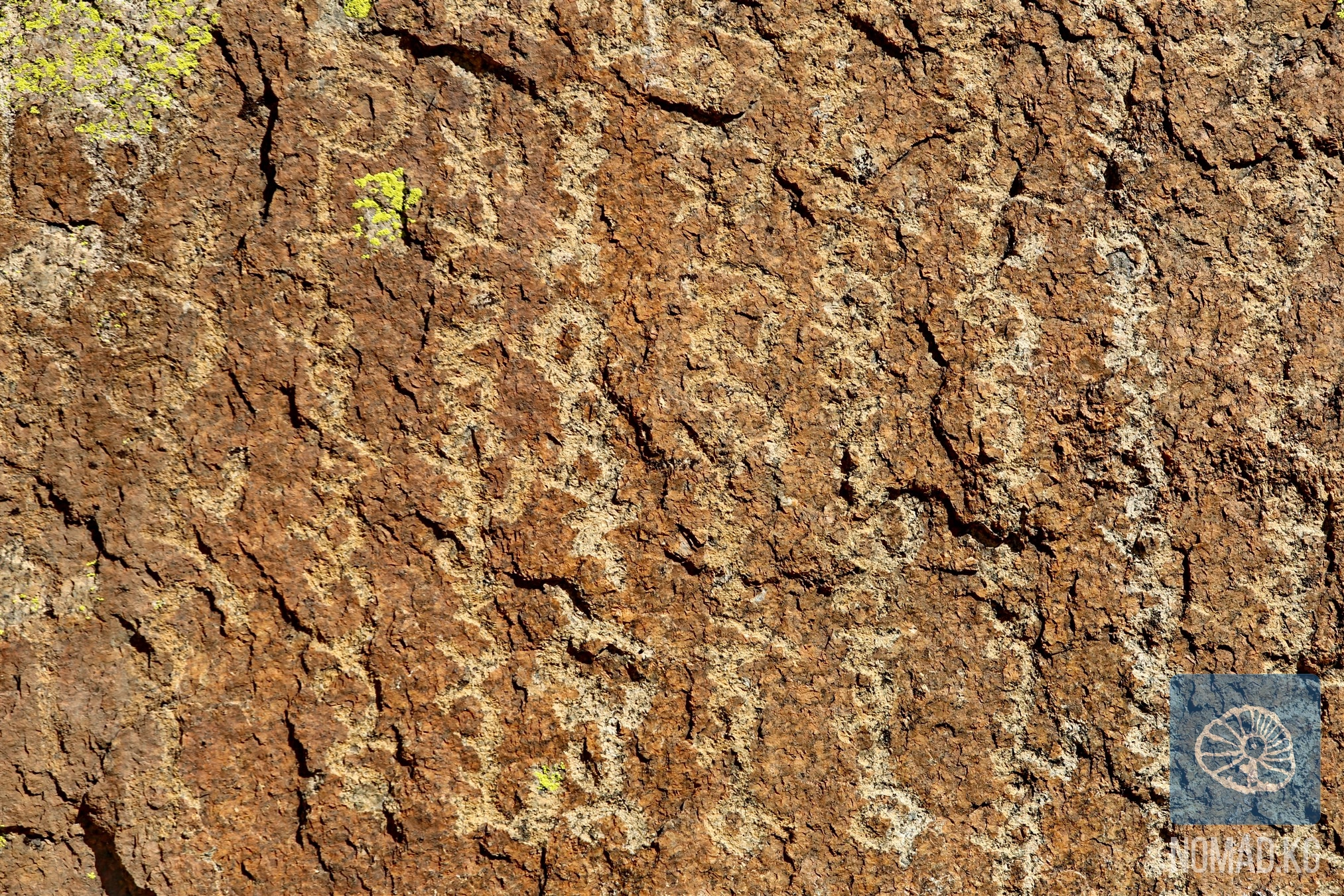
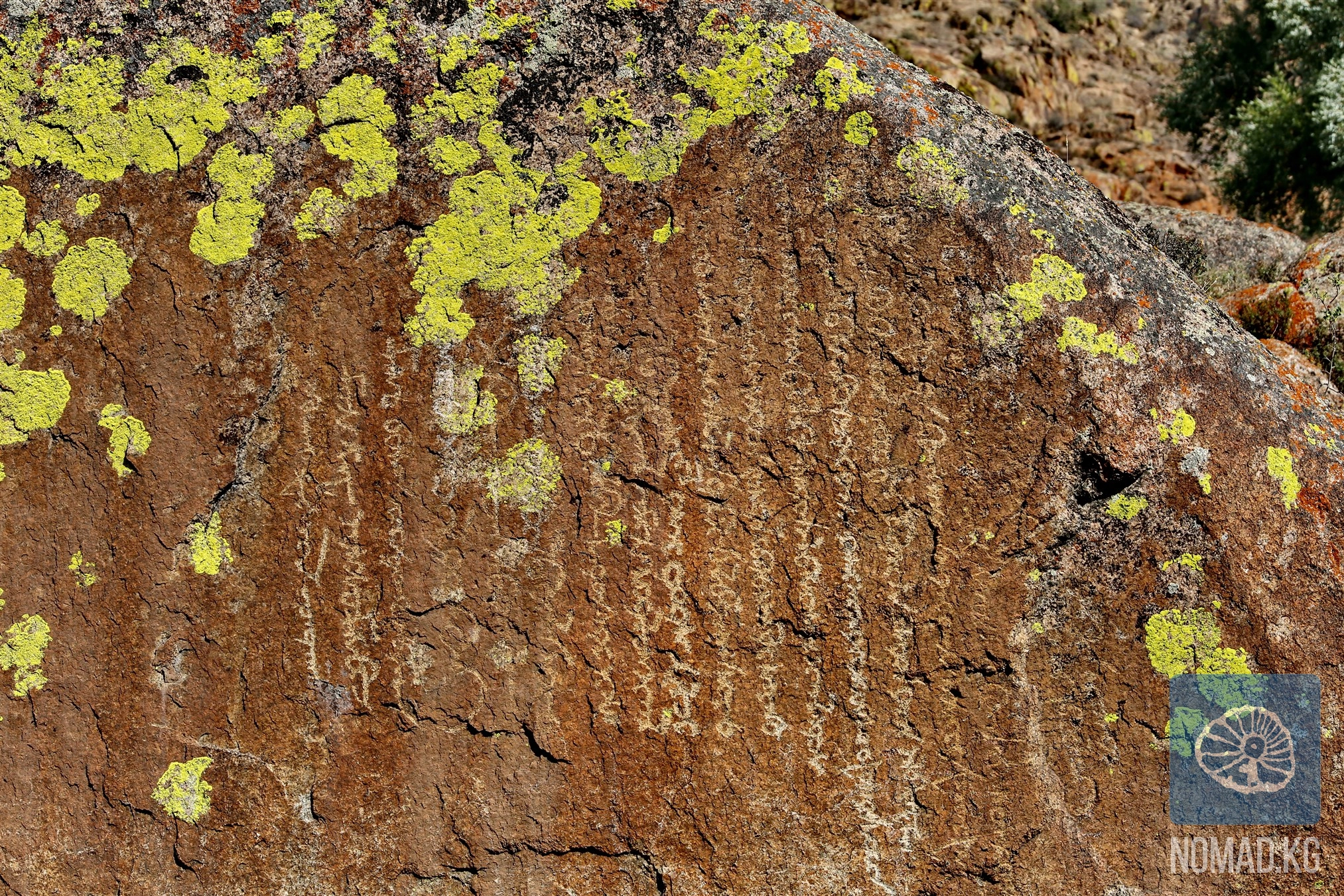
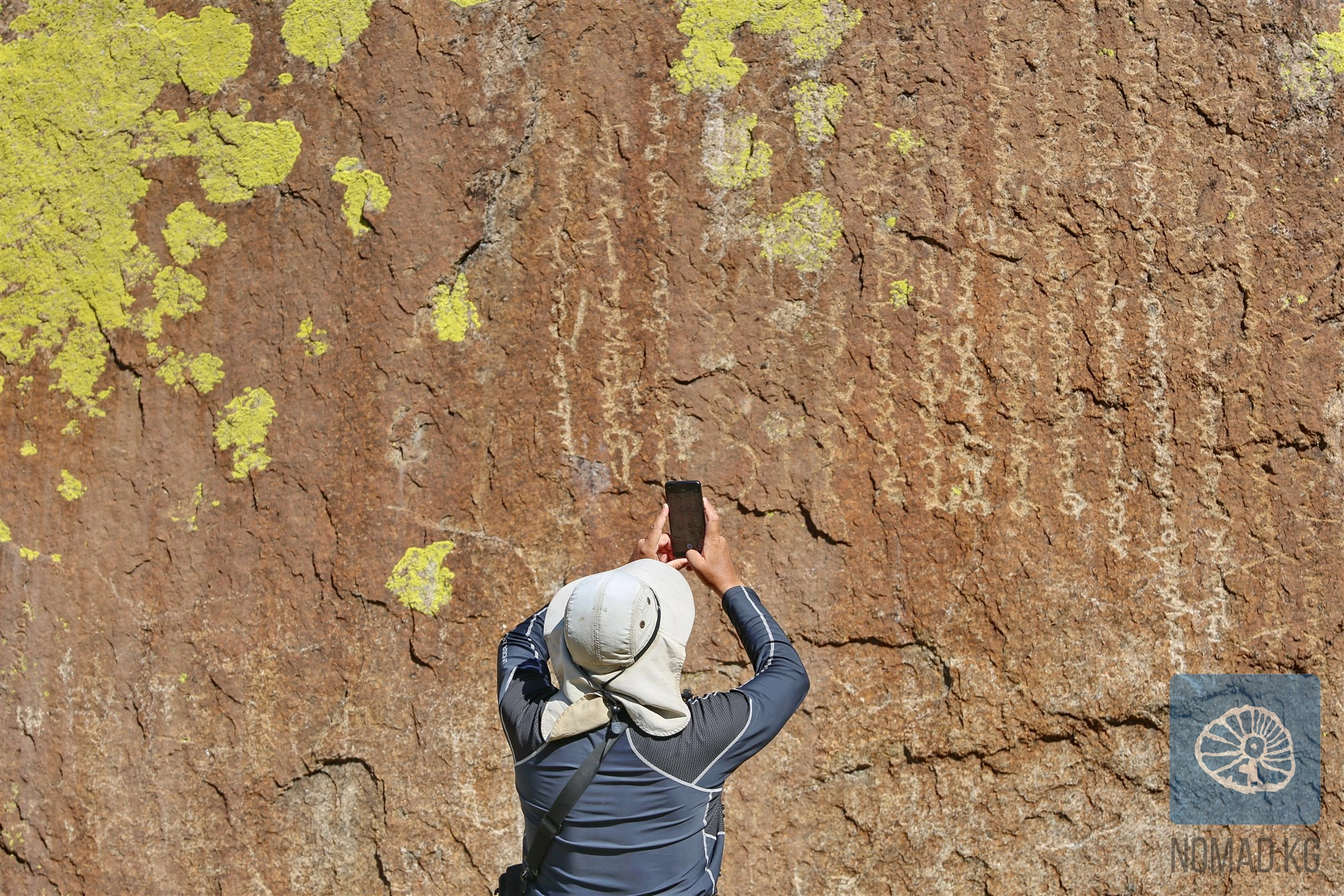
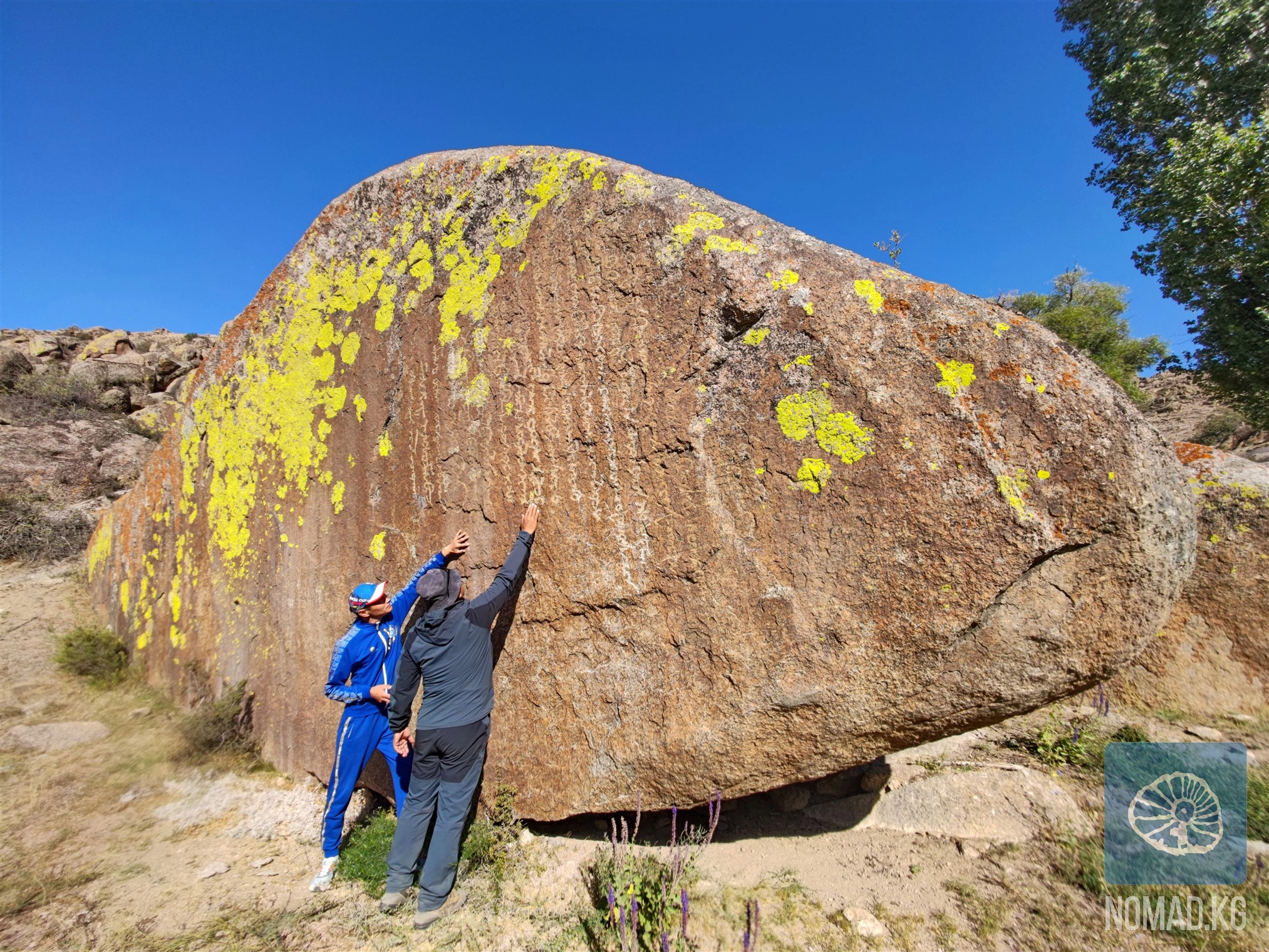
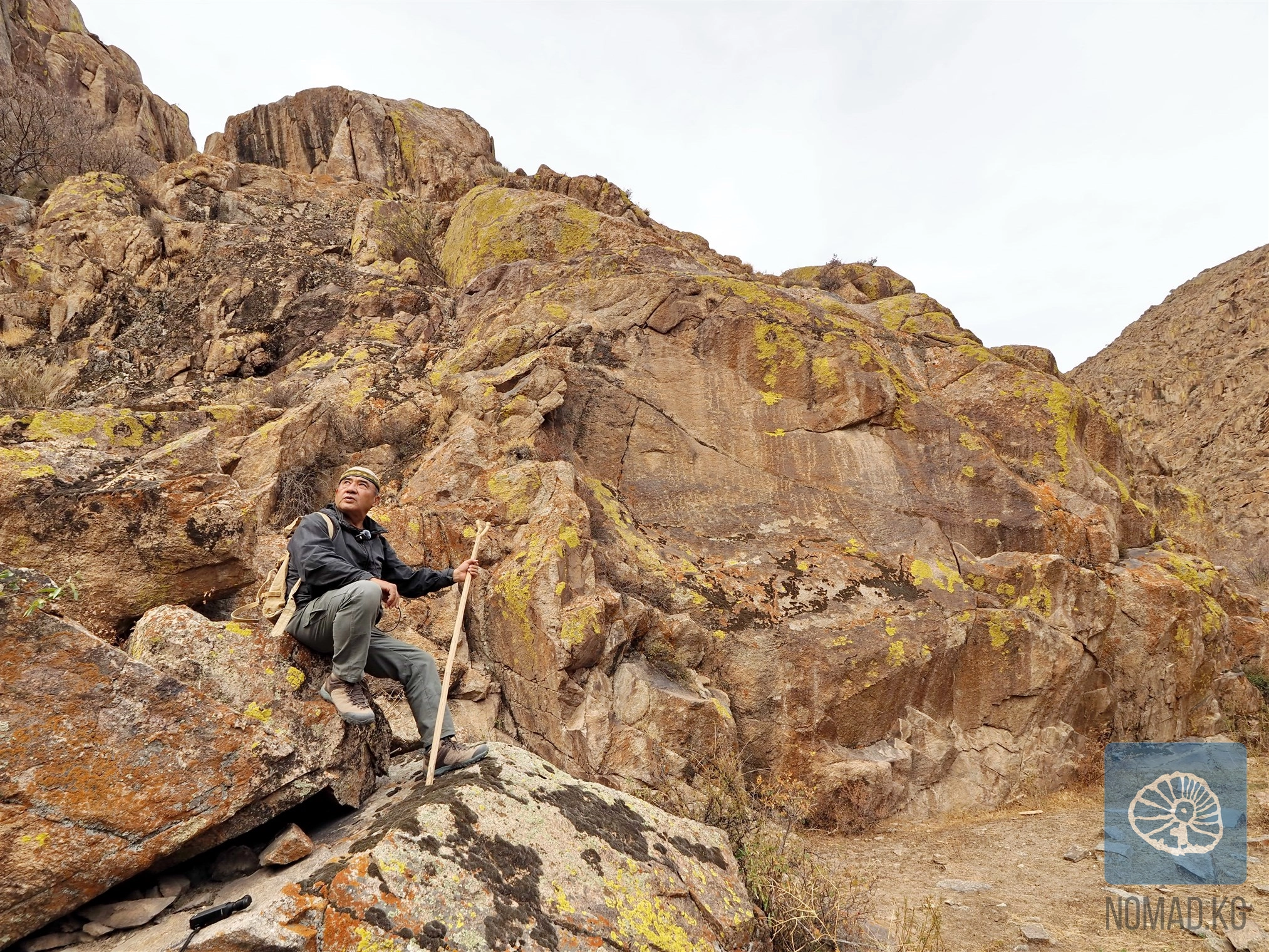
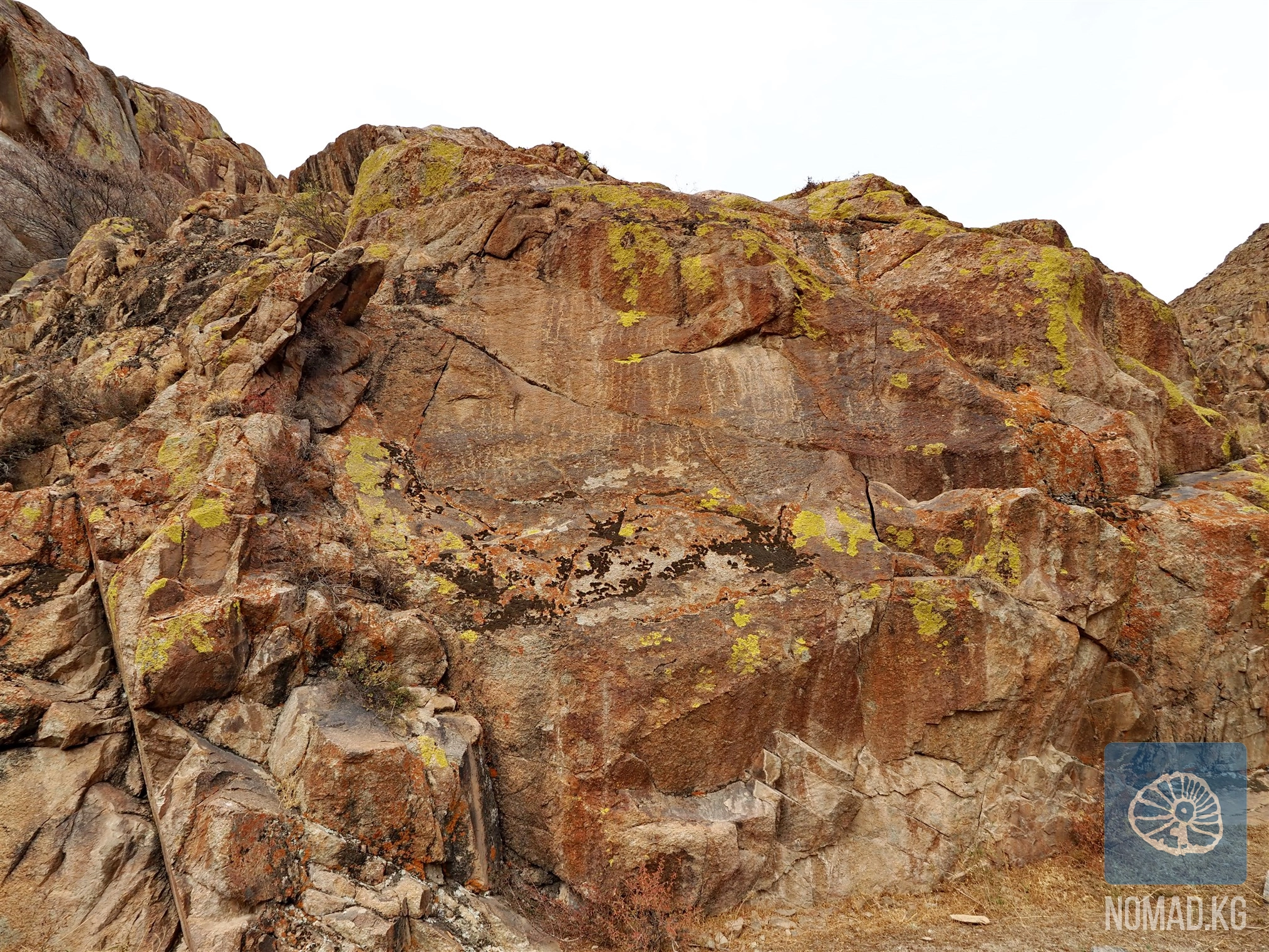
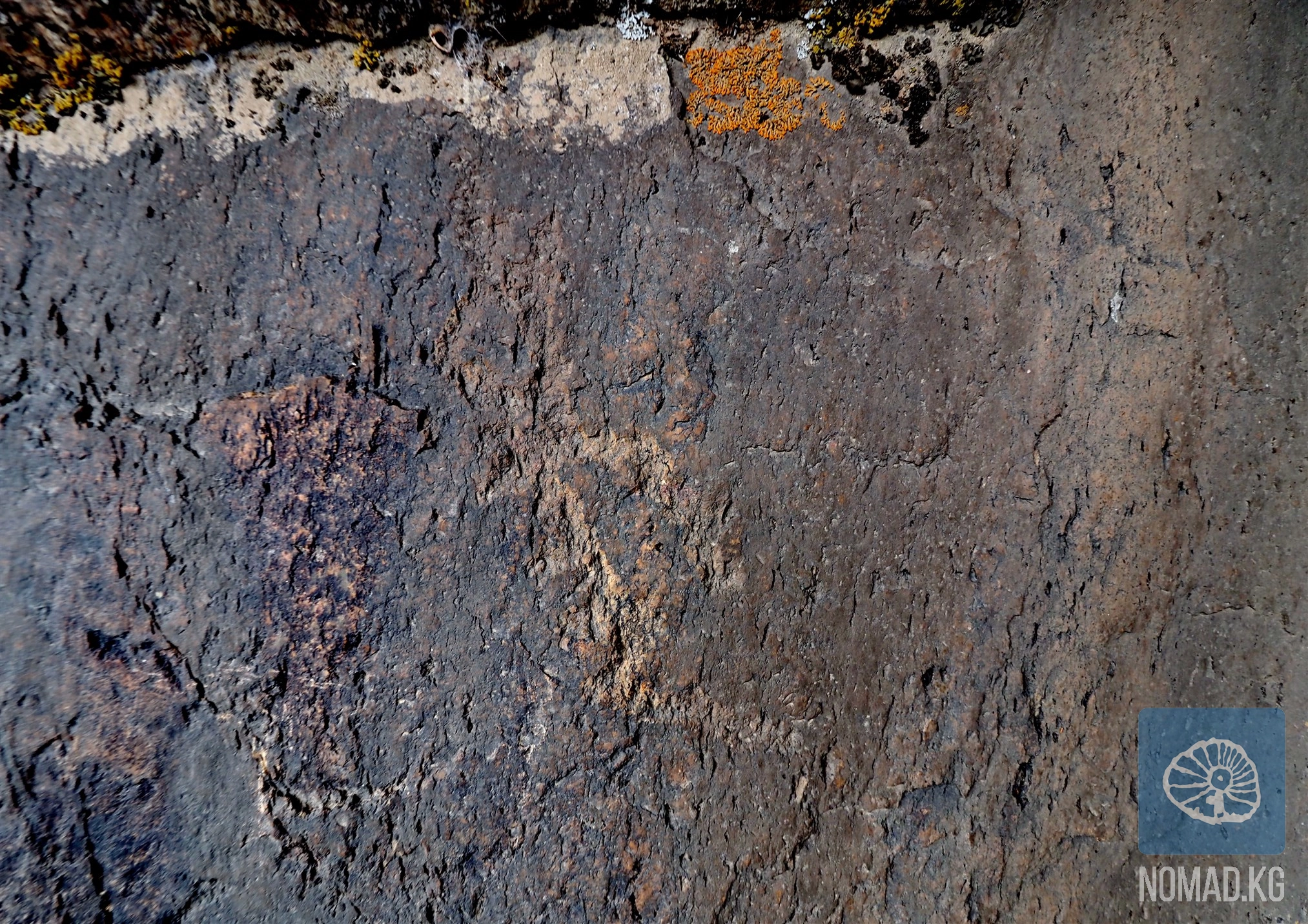
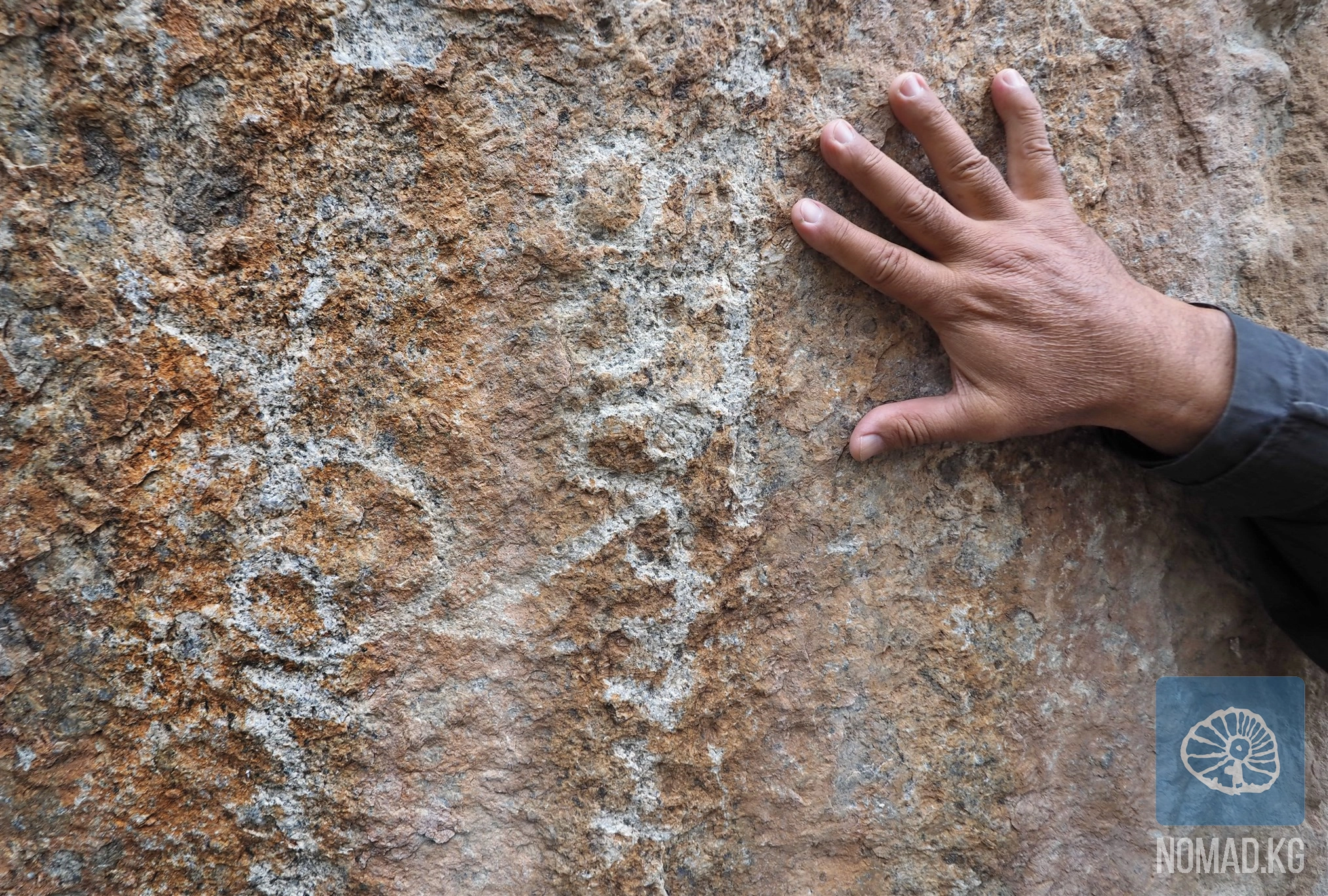
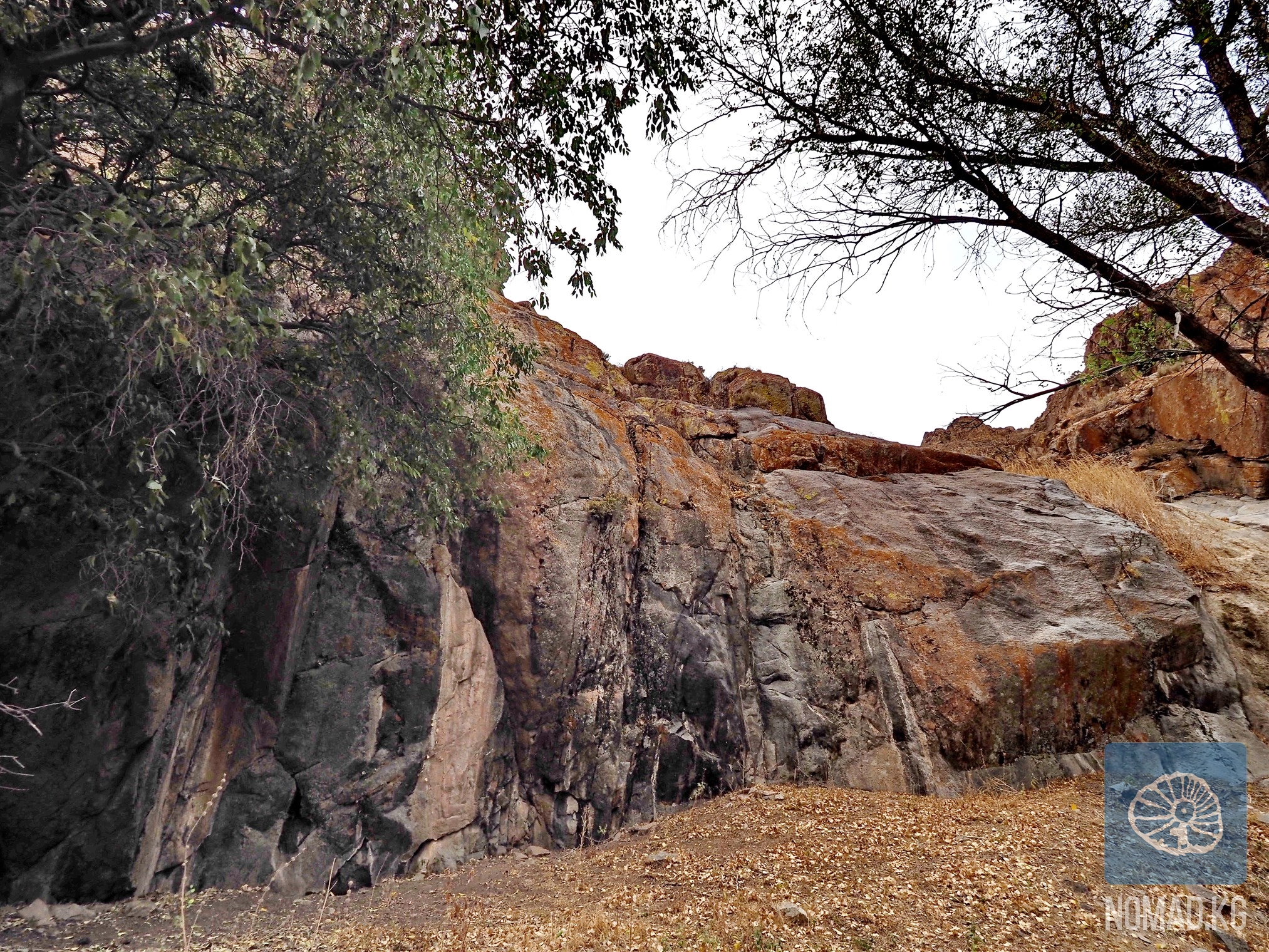
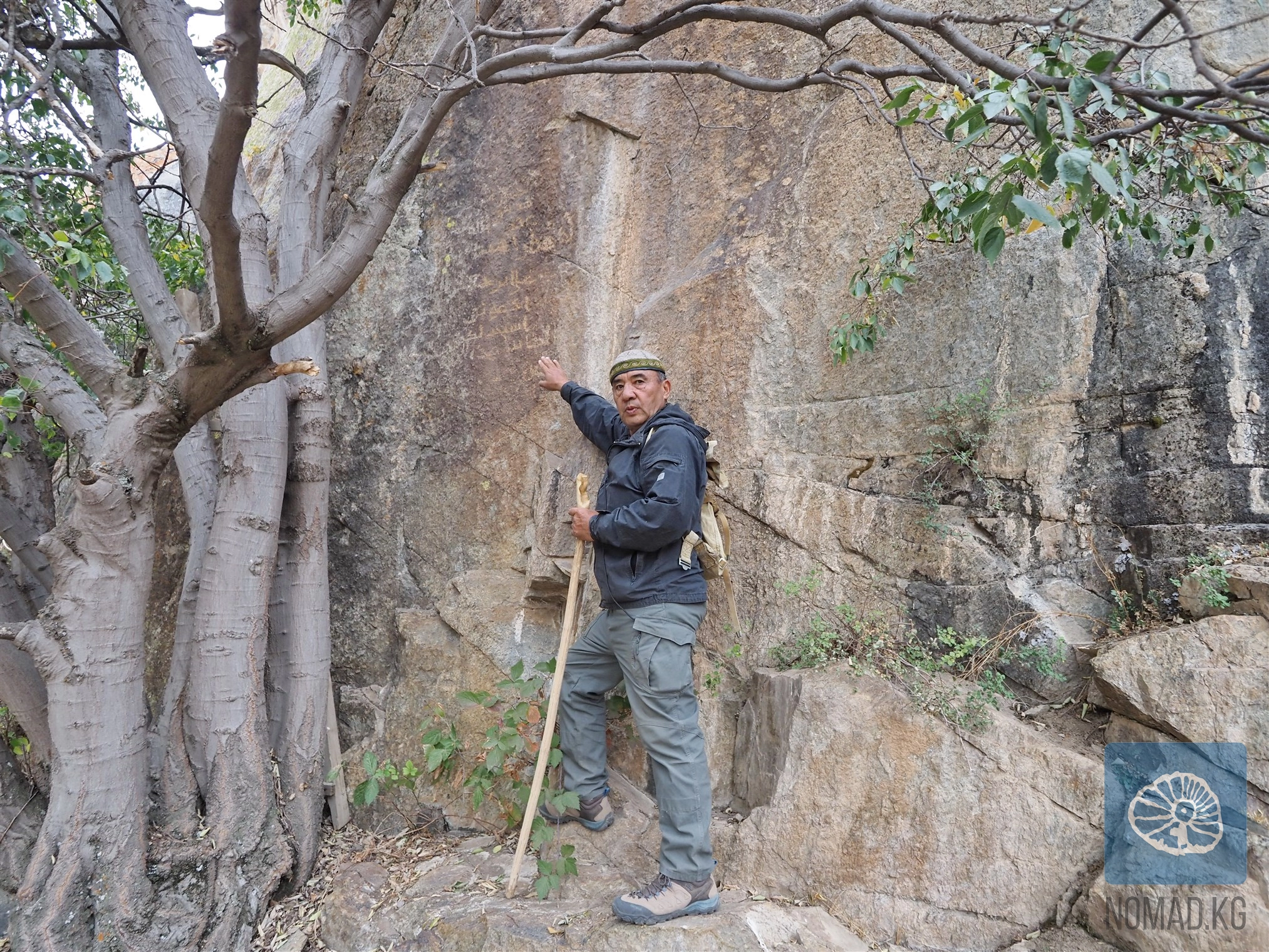
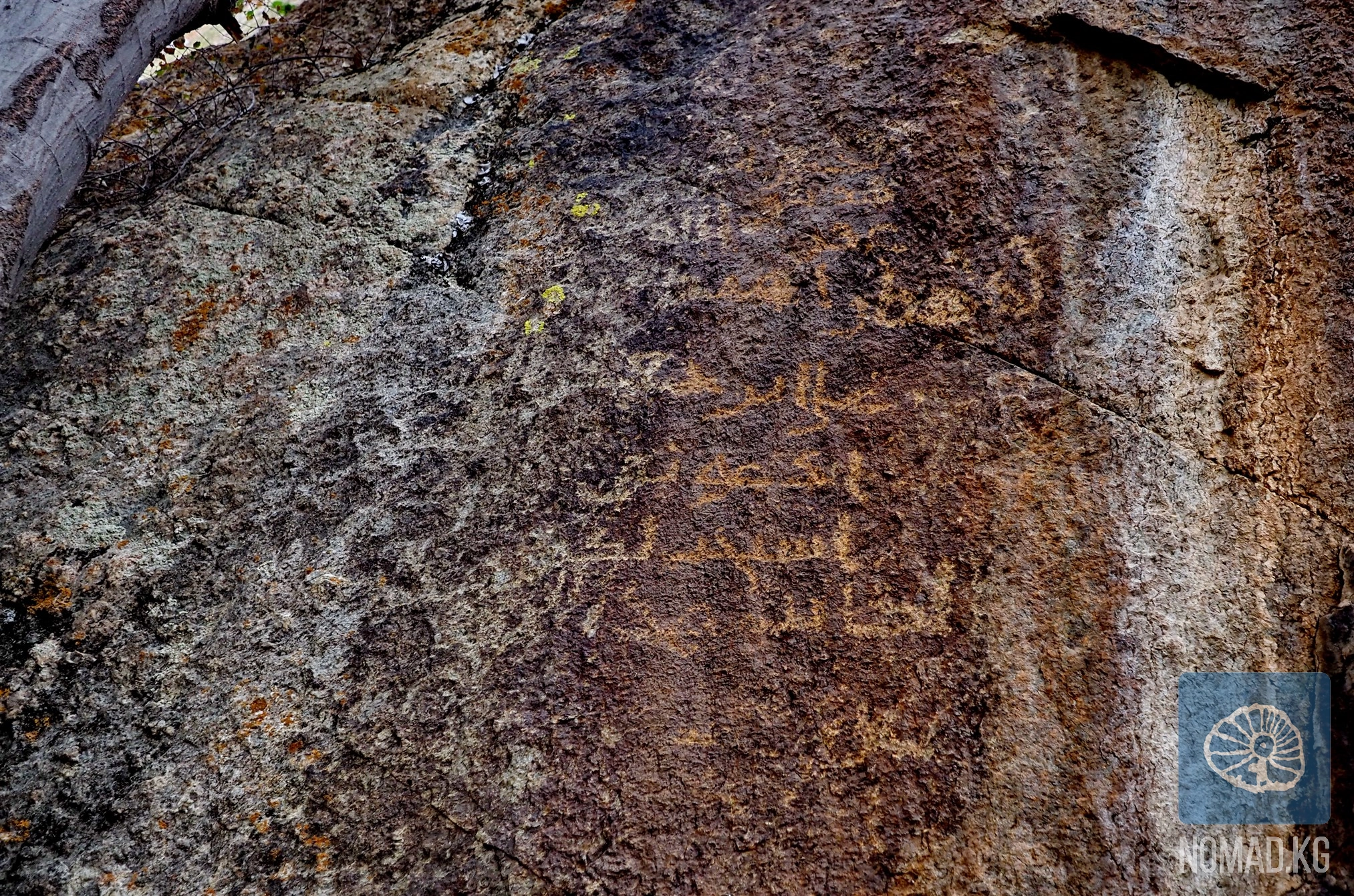
The Talas Valley is one of those places where Central Asia speaks to the traveler in the language of wind and silent stones. Here, between hills and gorges, traces of ancient civilizations have been preserved, whose names have long dissolved in the sands of time, but their memory remains in the lines carved on the rocks. One of the most mysterious monuments of the region is the Chiyim-Tash complex of runic inscriptions - a rare place where one can see ancient Turkic script, Sogdian signs, and Arabic texts literally side by side.
This natural-historical space is unique: few places in the world have such a small area of mountainous terrain that preserves so many different written traditions. Chiyim-Tash is not just an archaeological site; it is a kind of stone chronicle that spans epochs from the early nomadic period to the Middle Ages.
Researchers' interest in these places arose as early as the 19th century. In 1896, Russian explorer V.A. Kallaur, who was searching for ancient Turkic inscriptions, noticed unusual signs on the stones of the Chiyim-Tash area. A year later, he published the first information about the find - it was a true scientific sensation: for the first time in Central Asia, examples of Turkic runic writing were discovered. Prior to this, runes were known only from finds in Mongolia and on the Yenisei River. It turned out that in the heart of Kyrgyzstan lies another key region where the Turkic world left its written traces.
Chiyim-Tash is more than just a collection of ancient inscriptions. Here, one can see a whole spectrum of cultural layers: petroglyphs from the Bronze Age depicting animals, hunting scenes, and solar symbols; runic signs of the ancient Turks (8th-10th centuries), made in the characteristic style of the Orkhon-Yenisei script; Sogdian epigraphic texts reflecting the era of the Great Silk Road; and Arabic inscriptions from the time of the Karakhanids and the first Islamic communities in the valley.
Modern researchers are convinced that the historical area of Chiyim-Tash corresponds to the Kulan-Sai gorge, located to the northeast of the city of Talas. It is here that all three written traditions are recorded. One of the most important discoveries in the Ken-Kol area is a Sogdian inscription carved on a rock. The Sogdians were among the most influential trading peoples of Central Asia. It is from the Sogdian script that the Arabic alphabet and Hebrew originate, making this find particularly valuable. The deciphering was carried out by the renowned orientalist Vladimir Abramovich Livshits. His translation mentions eighteen names - both male and female, likely associated with the ruling dynasty of the Karakhanids. These names are a rare epigraphic source that allows a glimpse into the social and political structure of early medieval Talas.
Since the adoption of Islam by the Karakhanids (10th-11th centuries), Arabic writing began to spread in Talas. On the stones of Kulan-Sai, inscriptions have been preserved that represent short prayers, well-wishes, names, and phrases of a religious nature. This is the first written tradition of Islam in the region, and it is literally etched in stone.
After Kallaur, significant contributions to the study of Chiyim-Tash were made by: the 1937 expedition of the Kyrgyz Pedagogical Institute, which rediscovered the petroglyphs; archaeologist A.N. Bernshtam - one of the largest researchers of Central Asia, who visited the complex in 1938 and left detailed descriptions; local historian V.M. Gaponenko and his school club, who surveyed the monuments in 1956 and recorded a number of objects that have since been lost.
Thanks to these individuals, we know what many inscriptions and drawings looked like before their destruction and weathering.
Why is Chiyim-Tash one of the key monuments of Kyrgyzstan? Here, for the first time in Central Asia, Turkic runes were found. The complex contains three different writing systems, making it unique for all of Central Asia. It is directly connected to the history of the Karakhanids, that is, to the era when the state traditions of the Turkic world were forming. The inscriptions of Chiyim-Tash are not just scratched signs. They are the words of people who lived in these places, moved through the Talas Valley, believed, ruled, fought, and preserved the memory of their ancestors.
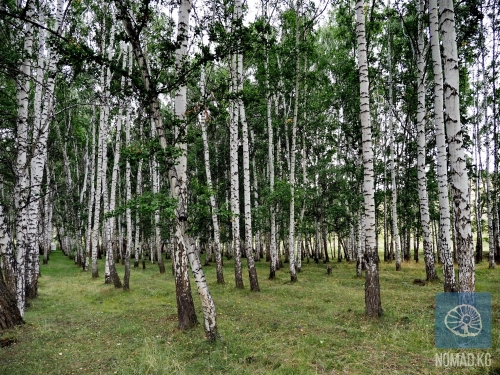
If there is a place in the Talas region that amazes from the very first step, it is the Talas Birch Grove - the largest man-made birch forest in all of Central Asia and one of those places where humans and nature have created a true oasis of
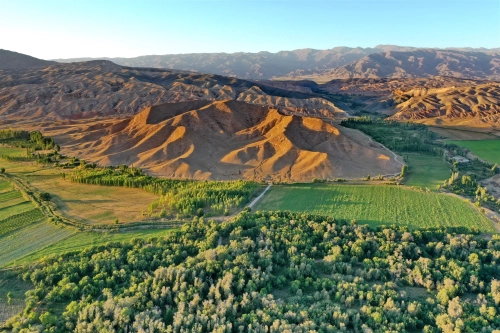
Kyrgyzstan is a country where the memory of ancestors, sacred space, and natural power merge into a single cultural landscape. For centuries, Kyrgyz people have attached special significance to burial monuments and sacred sites—mazars. Even today,
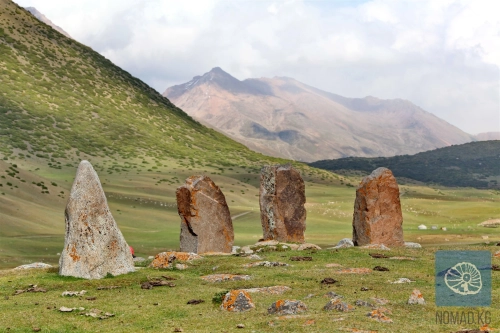
In the Talas Valley, there is a place where legends come alive at every step, and the silence of the mountains speaks louder than any storyteller. This is the Besh-Tash Gorge - one of the most picturesque and symbolic natural spaces in Kyrgyzstan.
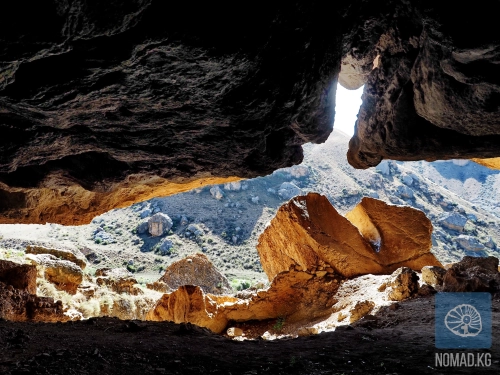
Among the picturesque mountains of the Bakai-Ata region, not far from the village of Urmaral, lies one of the most mysterious and revered places in the Talas region - the Kara-Koyun cave. This is not just a dark niche in the stone mass, but a
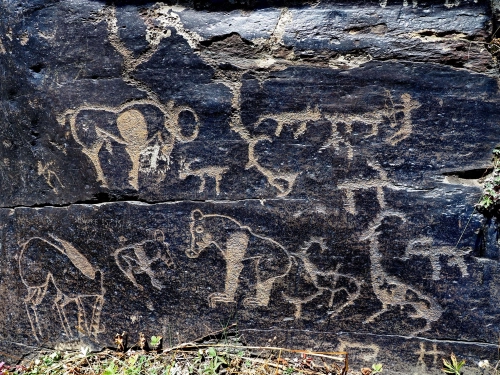
High in the Kaman-Suu gorge, at an altitude of about 2500 meters above sea level, lies one of the most expressive and multilayered monuments of rock art in Kyrgyzstan - Jaltyrak-Tash, which translates to "shining stone." This is not just
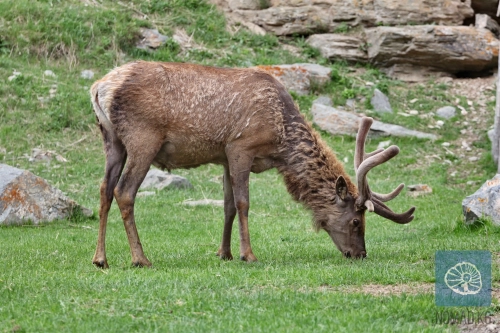
The Besh-Tash Nature Park covers more than 30,000 hectares, stretching nearly 30 kilometers upstream along the river of the same name - from the gentle foothills at an altitude of 1,100 meters to the harsh, cold glaciers rising to 3,500 meters. The
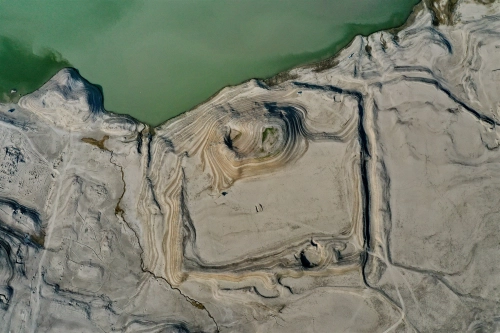
The Talas region is one of the corners of Kyrgyzstan where history is felt not in museum showcases or academic works, but in the wind, in the scent of dry wormwood, in the lines of mountains frozen around the valley like an ancient choir. Here, the
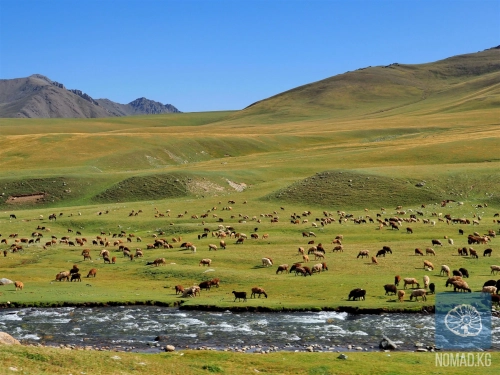
The Ötmäk Pass (3326 m above sea level) is one of the most impressive places in the Talas region and a vital mountain artery connecting the closed Talas Basin with the spacious Suusamyr Valley and the strategic Bishkek-Osh highway. This is the main
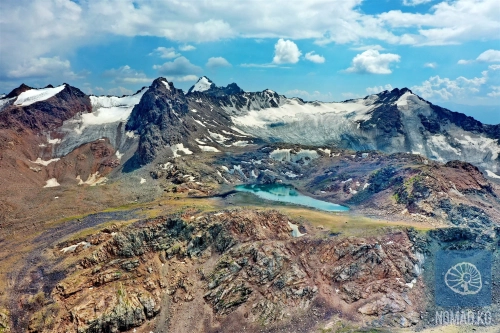
If you have already seen Lake Besh-Tash and think that the national park has revealed all its secrets to you, then you simply haven't yet ascended the Itagar Pass. This is the route after which the photos on your phone remain unforgettable,
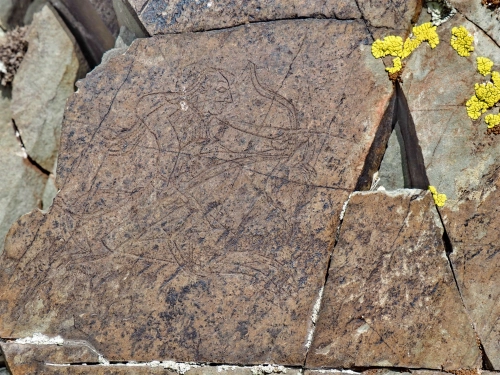
The mountains of the Talas Ridge hide many secrets, but one of the most astonishing is the complex of rock carvings at Bakayir-Kara-Kuush, located in an easily accessible gorge where human footsteps are lost among the stones, and ancient stories
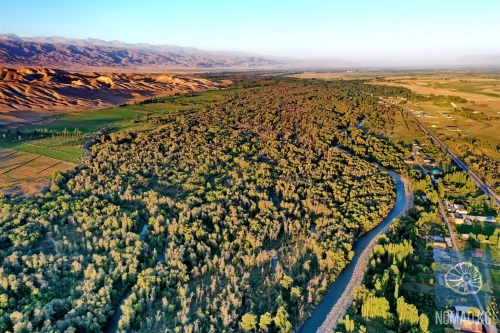
In the very heart of the blessed Talas Valley, where the silvery Talas River leisurely carves its way between two majestic mountain ranges - the Talas and Kyrgyz ranges - lies a unique natural oasis. The Talas Forest is not just a green stripe on
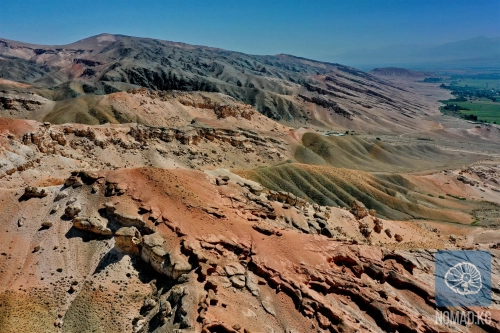
The Talas Geopark "Echkilit-Tuu" is located in the mountain range of the same name, Echkilit-Tuu, which is part of the Kyrgyz Ala-Tuu ridge, in the Sary-Kurai gorge, one of the most impressive natural attractions in Kyrgyzstan. This
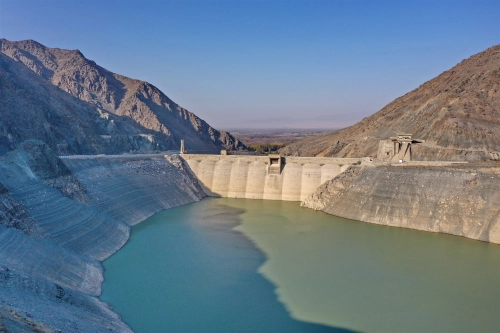
Where once small rural streets stretched along the river valley, where people lived a measured steppe life, today lies a vast expanse of water - the Kirov Reservoir, one of the most significant hydraulic structures in Kyrgyzstan and an impressive
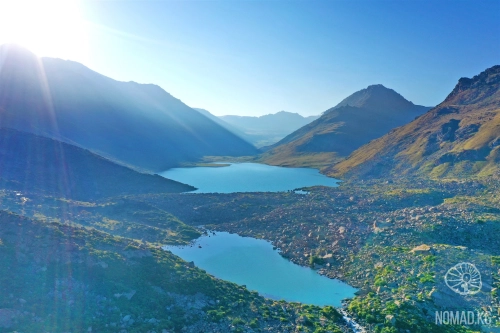
The Besh-Tash National Park, which translates to "Five Stones," stretches in a narrow chain along the Talas Ala-Tuu mountain range. On a good gravel serpentine road up the Besh-Tash river gorge, it feels as if the car is about to hit the
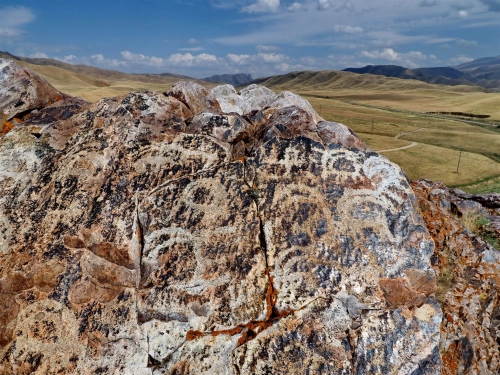
Usually, the discovery of archaeological sites is associated with hard-to-reach mountains, abandoned trails, or deep gorges that can only be accessed by researchers. But the Talas region surprises once again: not far from a busy road, just a few
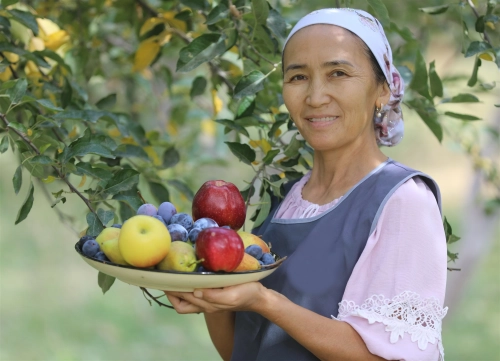
The Talas region is not only a land of ancient settlements and legends but also one of remarkable natural abundance. Here, surrounded by the stunning mountain gorges of Besh-Tash, Kolba, Kumush-Tag, and Urmaral, one of the most heartfelt
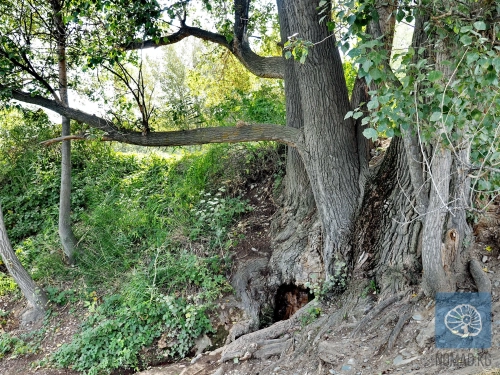
In the Talas Valley, among the hills and green valleys, lies one of the most revered sacred places in the region - the Boo-Terek shrine. Its name translates from Kyrgyz as "a bundle of poplars" or "many poplars," and this is no
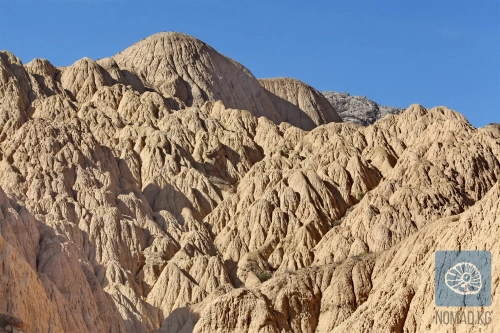
In the very heart of the picturesque Talas region, amidst the rugged gorges of the Bakai-Ata district, lies one of the most unusual natural wonders of Kyrgyzstan - the geopark "Kara-Kishi." This place seems to exist outside of time: the
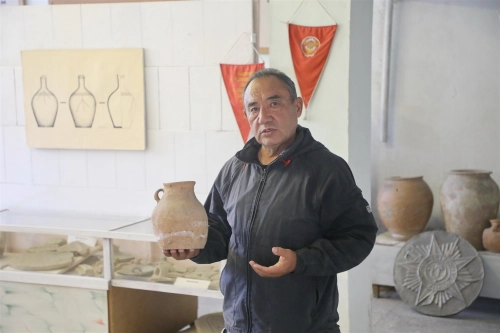
In the center of the village of Kyzyl-Adyr, which many travelers remember by its old name Kirovka, at the Orozbekov Meilibek Secondary School, there is a local history museum named after Mikhail Fyodorovich Tura. At first glance, it seems like an
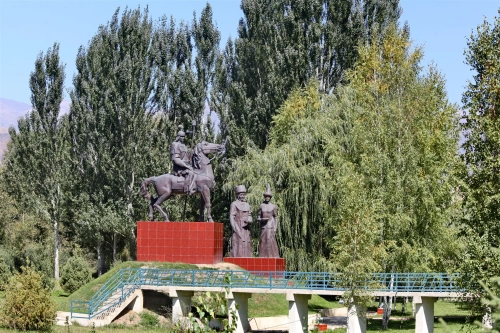
Among the hills of the Talas Valley, near the clear river Ken-Kol, lies one of the most reverently honored places in the vicinity of the National Complex "Manas Ordo" - the sacred spring "Kanykey Apa." For the Kyrgyz, this is
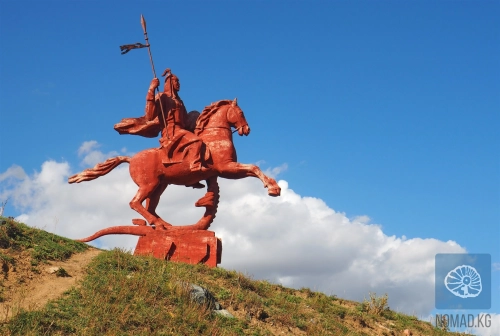
On the strategic highway Bishkek-Osh, at the turning point to the road leading to the Otmok Pass (3332 m) and further into the Talas region, lies one of the most recognizable places along the entire route - the so-called "Gates of Talas."
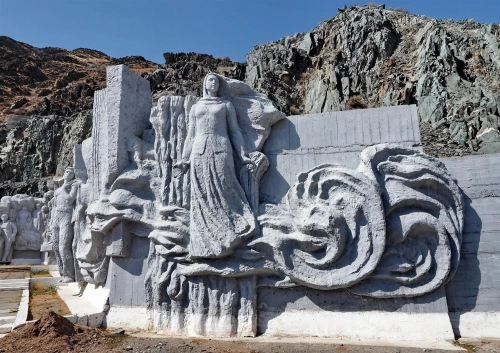
In the narrow stone corridor of the Chon-Kapka gorge, where the road seems to glide between sheer cliffs, a traveler is suddenly confronted by a massive concrete wall of a dam. But what strikes the most is not the engineering itself, but the art

Today, beans have become a true brand of the region. More than 70% of all exported beans from Kyrgyzstan are grown right here, in the fertile Talas Valley. The locals respectfully refer to it as "white gold" - and not without reason. It
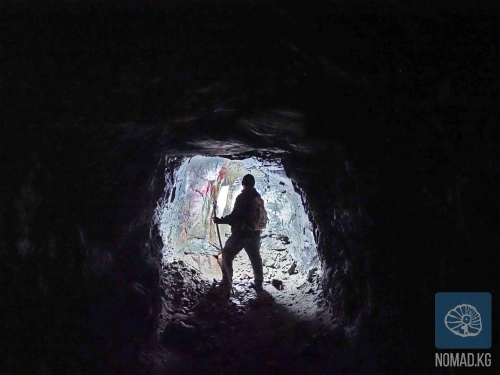
Just thirty minutes away by car or on foot from Talas lies an amazing place - the Kulun-Sai mine, one of the most accessible old workings for lead ore extraction in the region. At first glance, an ordinary mountain gorge, Kulun-Sai hides a part of